Protection levels
Height
Siting
- Keep fences at least 3 metres from buildings and keep lampposts at least 2 metres from other fences. Try to keep 25m between you and the boundary and put a 10m sterile zone between the boundary and the inside fence.
- If you want deterrence approaching embassy level protection, you could push the neutralisation back to the adversary’s staging base outside the perimeter.
- Avoid sharp turns as these can be bridged. Unfortunately domestic gardens to to be rectangles.
- Minimise the number of gates.
Materials
Wood
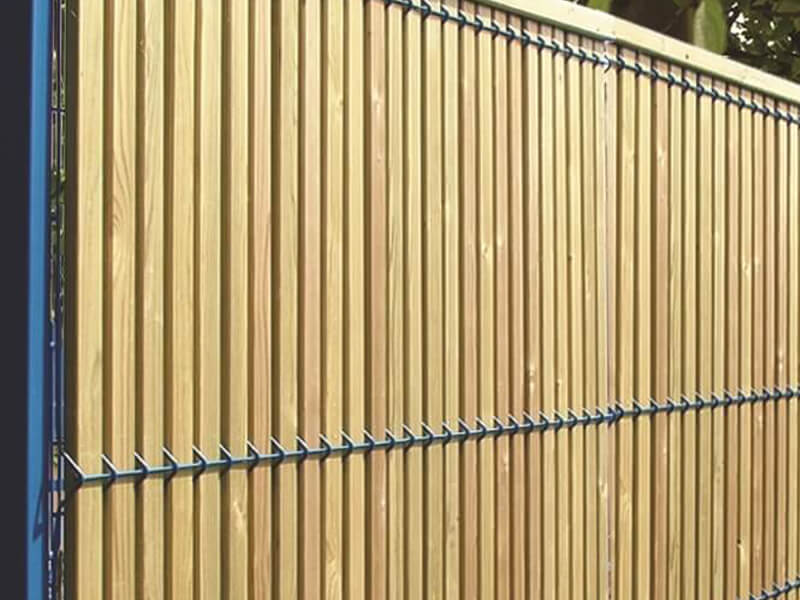
- Wood fence is only for screening.
Steel profile
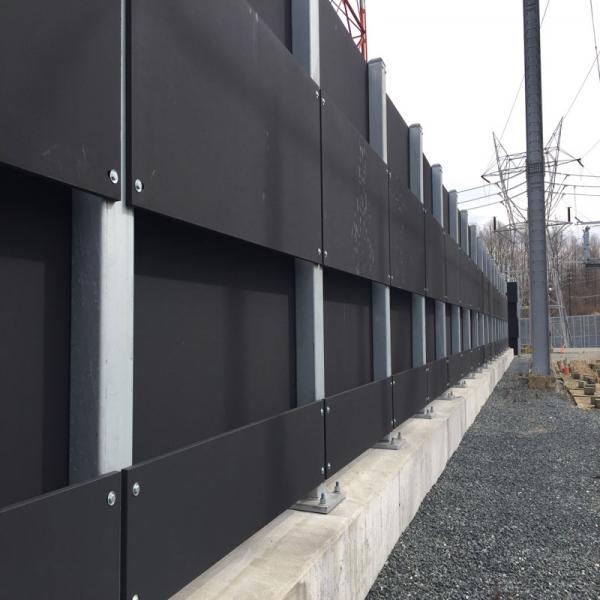
- Steel profile fence is for when opacity is needed where it is more important that operations are not surveilled than that you can spot intruders approaching.
Brick
- Brick walls are not bad but expensive which is why you see so many fences around government sites. Sometimes they prevent surveillance out so would not suit anyway.
Chain link
Barbed wire
Exmesh

Welded mesh
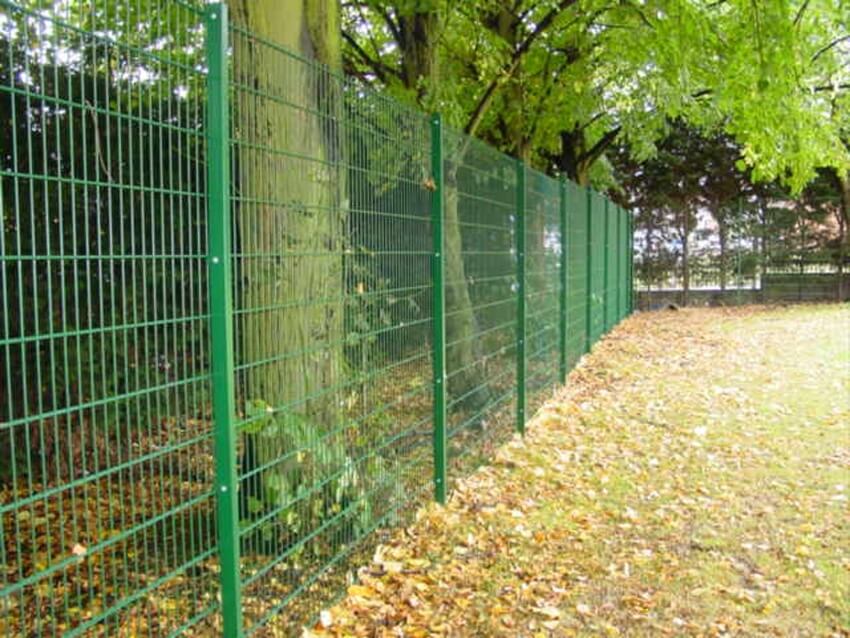
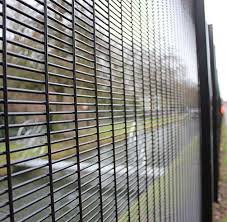
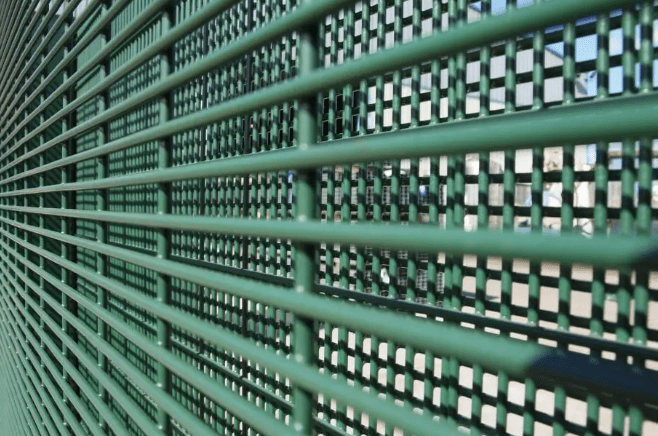
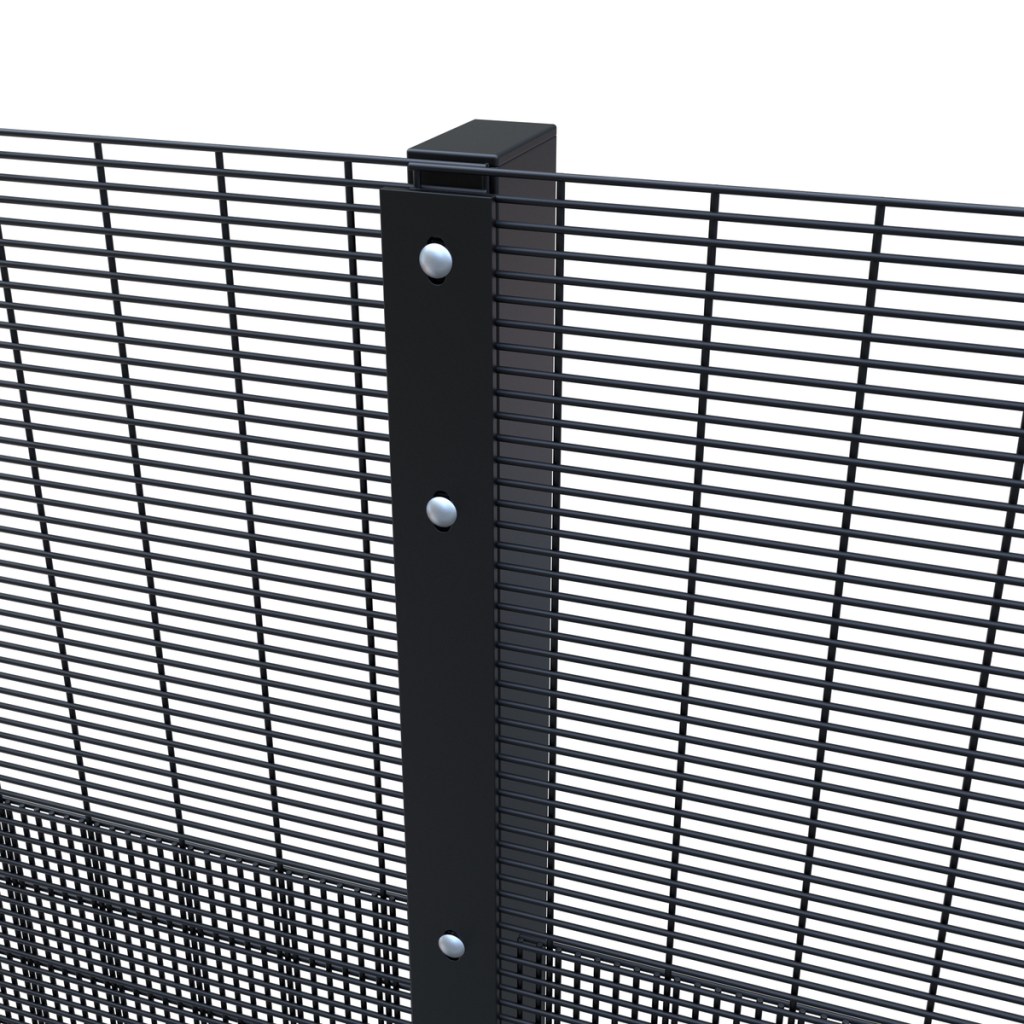
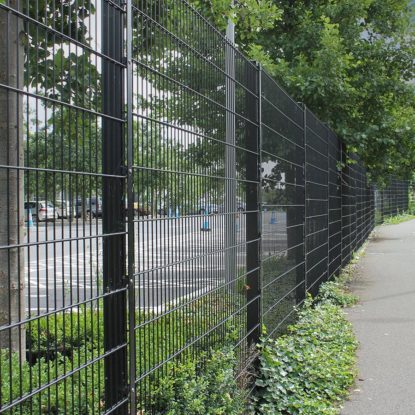
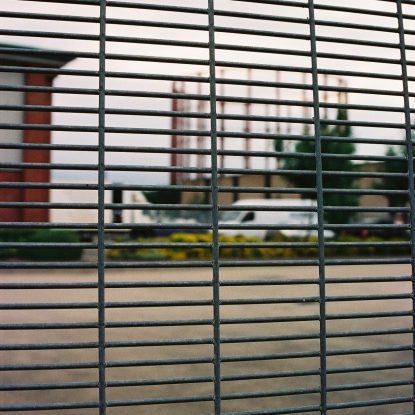
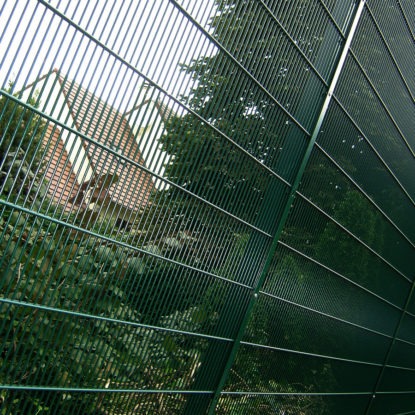
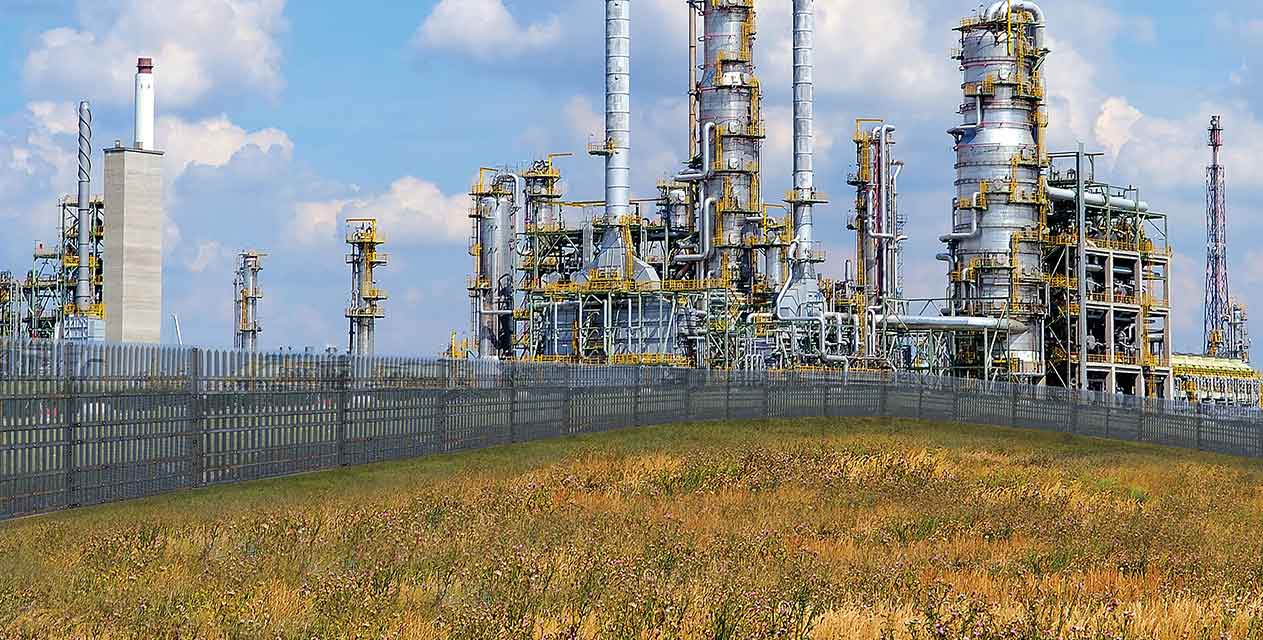
High security fences virtually all use 3/4mm welded wire mesh, with horizontal apertures typically 3″ x 0.5″. As security increases, the horizontal wires have vertical wires or a 90 degree turn added, and/or the layers double up, sometimes spirals are inserted for cut resistance, and visibility reduces and more cameras are needed. Welds may be as weak as 400 N/mm and wires 550N/mm, although nobody will be tearing wires.
Wood
Threat levels
Ratings
Secure by Design
LPS1175
Who sets the standard?
- The main UK standard for security fencing is the LPCB’s barrier certification LPS1175. More will be said of it in terms of doors as it is more relevant to homes under that heading.
What does the standard cover?
- LPS1175 rating for fences only covers penetration, so to discourage climbing you still need toppings and to avoid handholds and footholds. There is no standard for topping like electric or spikes, although some firms get independent testing to verify whatever their claims are.
What does the standard require?
- LPS1175 minimum fence heights for time ratings are 1 min = 1.8m, 3 mins = 2m, 5 mins = 2.4m, 10mins = 2.8m, 15mins = 4m, 20 mins = 5m, with toppings required if over 2.4m.
- The fence can be a weaker structure to A1 for the height above 2.25m for times over 5 minutes.
- So the benchmark height for high risk residential is eight feet with A1 panels allowed to make up the last six inches beyond 7’6” and C5 below that.
- Under LPS1175, A1 means toolset A delayed by 1 minute and C5 means toolset C delayed for 5 minutes.
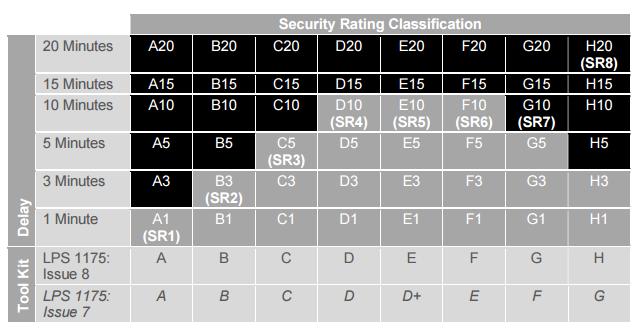


Which rating do I need?
- Fencing is available up to SR5 rating against toolset E (eg battery powered rescue tools) for 10 minutes. As it seems most unlikely an intruder will be that bothered about carrying stuff if they can bust out your front door much easier, or that they would be so incapable of bringing ladders if you are such a high value target, or that they would be so scared of being silhouetted as they vault over if you do not have 24h armed guards, SR5 is almost certainly overkill for a home. Products exist, such as the Jacksons Trident 5 which is basically a Supermax prison fence.
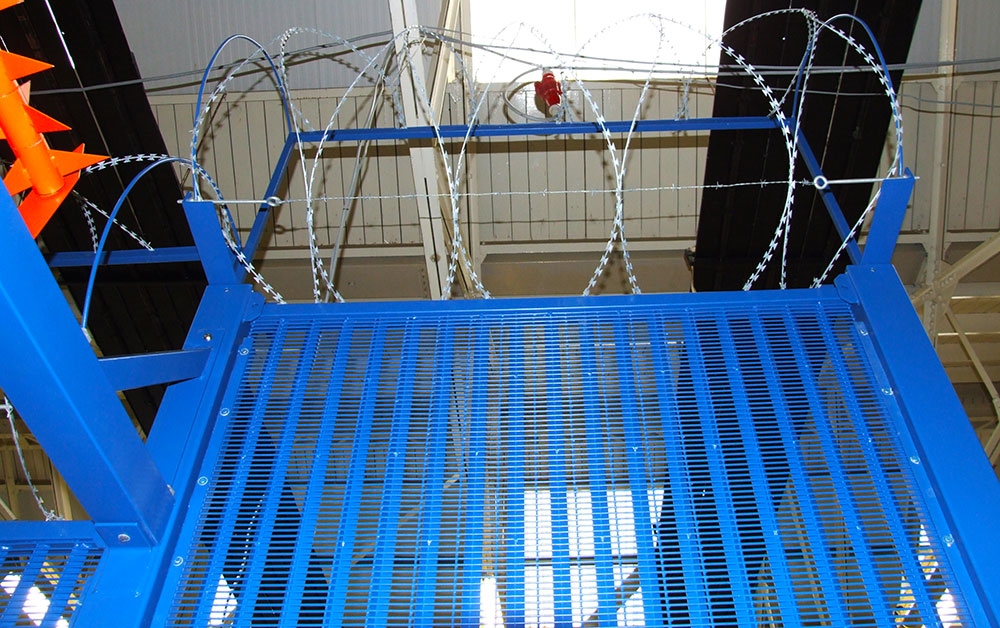
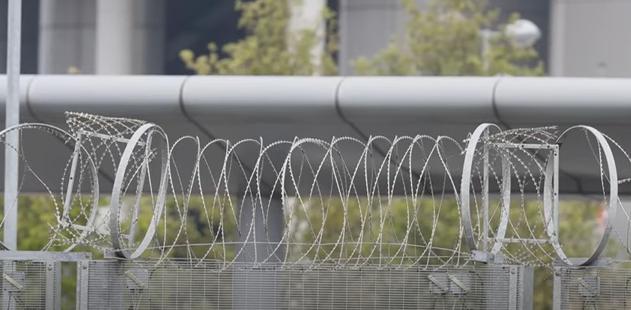
- By comparison, GCHQ has a hideous mesh fence topped with a barbed wire coil (with handy gaps on the turns), without the bars of the Trident but with beefy crossbars, and they benefit from standoff the depth of the car park. However, MI5 have no such luck, they do not have a fence, instead they walk out straight onto the pavement on a main road adjoining a river with vantage points on the other side, the worst security imaginable especially for a trophy target. So do not beat yourself up about not having a massive fence and massive garden.


- Other very high security fences include CPNI versions such as:
- Lochrin Bain Combi palisade or Weaveguard,
- Barkers Stronguard 3mm palisade (used by National Grid) (Stronguard Plus is 3m high & 4mm),
- Betafence Super 6 Ultimate 358 NPSA (6mm vertical wires) and Securifor Super 6 HE and Securifor 358 DS1, DS2 (double layers 12.7mm aperture 4mm mesh each side turned 90 degrees sandwiching razor wire 2.2m high, clamped with M8 bolts on 6.33mm thick posts, low visibility) or DS3 (DS3 with third double layer on post flanges in middle),
- Zaun HiSec Super 6 or ArmaWeave (12kg/m2, 4mm wire in 17mm squares, or 5mm wire in 9mm x 50mm, used by Thames Water with horns, cameras, thermal & analytics) or Armaweave Plus (double sided),
- Heras Sensor,
- CLD Securus S1 to SR1 (used at RAF Akrotiri) and Securus AC to SR2 (4mm wire 12.7×76.2mm mesh& M8 bolts), or
- Jacksons Trident Mesh 2, Trident Extreme 3 (mesh plus steel pales), Trident Extreme 3XM (steel pales, eg Portsmouth naval base), Trident Extreme 4 (adds 358 mesh to 32mm pales from Extreme 3 design), Trident Combi 2 (5mm wire mesh with 17mm wood slats), Jacoustic 2 (1.7 high mesh behind timber), Jacoustic 3 (Jacoustic 2 with wood both faces).
- NPSA maximum turn is 45 degrees.


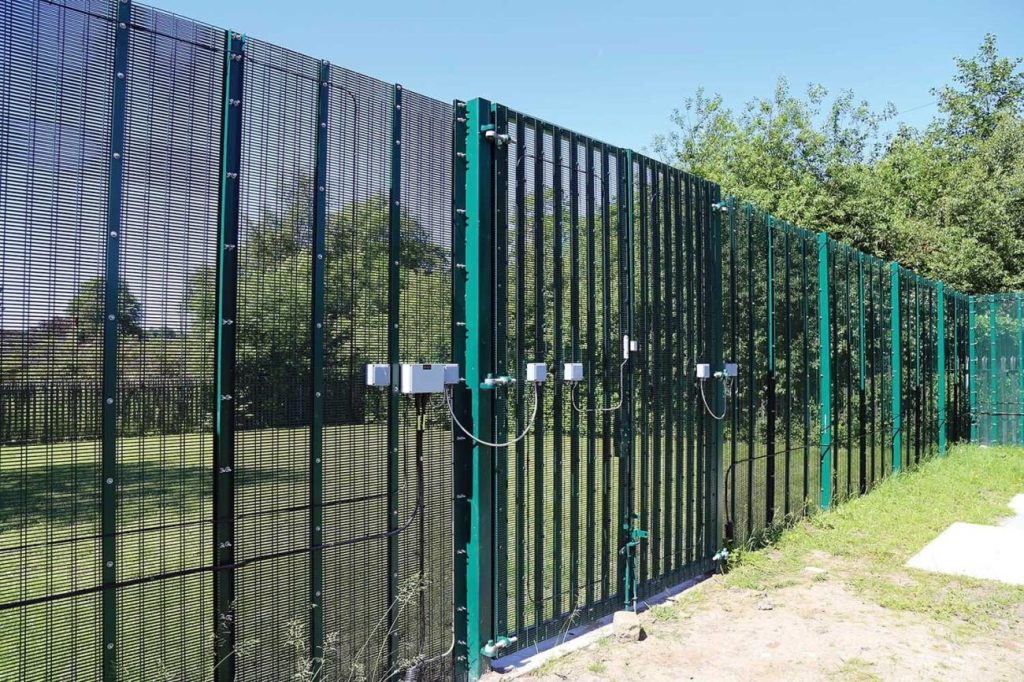
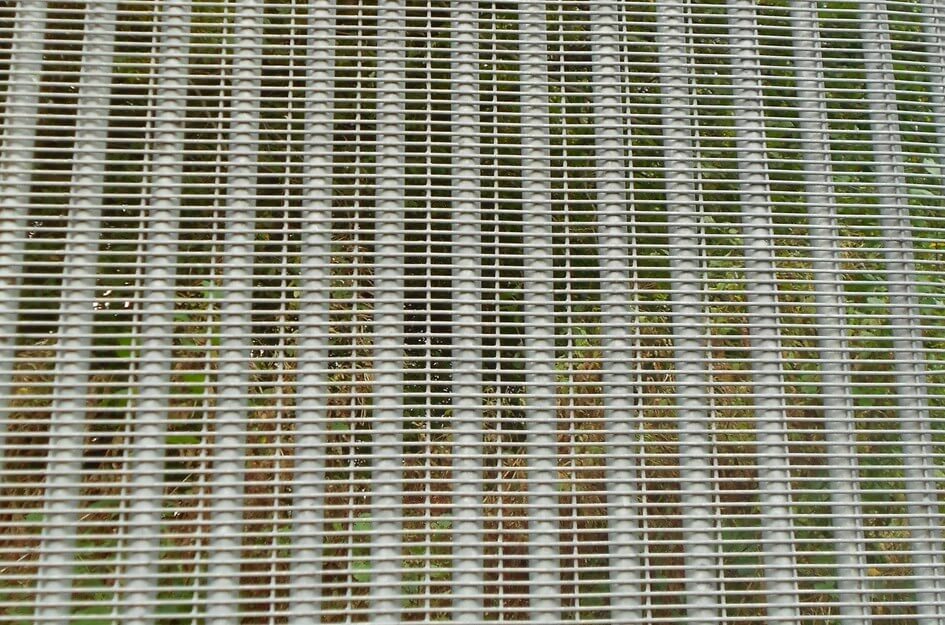
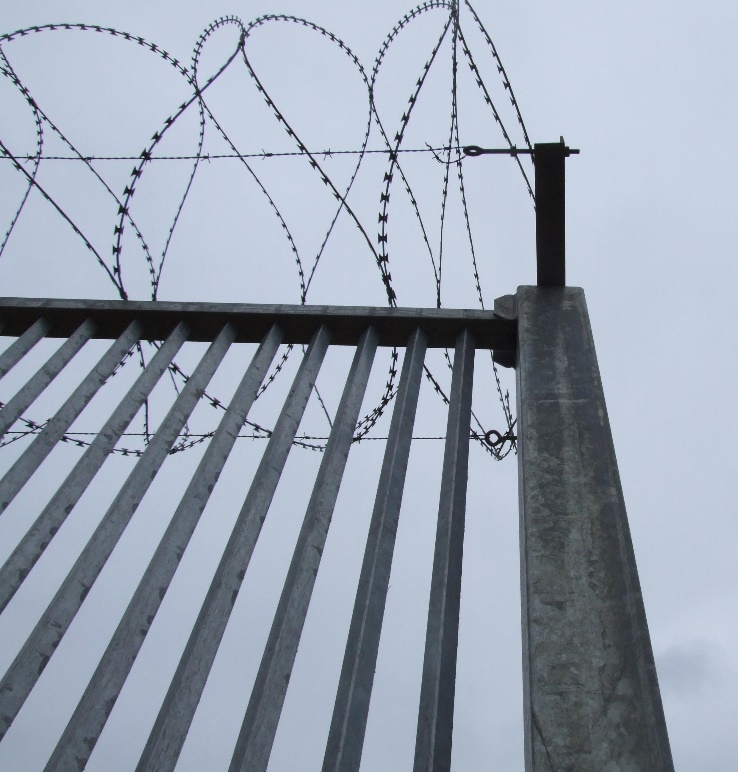
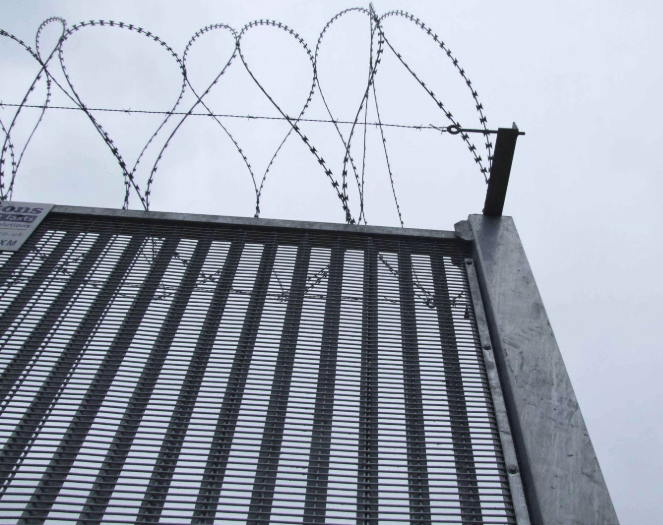


- SR5 and the next level down, SR4 (against toolset D eg 20 inch boltcutter), uses ‘358 mesh’ of wire spaced too close to get common tools or goods between, attached to bars, topped with barbed tape. They are popular with prisons but would look out of place in a domestic setting, so would need hiding with shiplap, but then it would still look strange if tall enough. It would be justified if you had reinforced concrete house walls and considered terrorism-level attacks a prospect, but it is most likely intruders will climb over or come in the front.
- So, unless you have exceptional vulnerability round back you are rather unlikely to put in the perimeter electronics to back up an SR4 fence and would largely be wasting cash on what could have bought lights, cameras, alarms, booby traps, reinforced facade or a saferoom, especially if you have a defenceless front garden allowing an attacker to sprint straight to your front door and start laying into it.
- Zaun do an SR4 Corrusec D10 triple layer mesh of HiSec Super 10 faces with HiSec 3/5/10 in the middle. CLD have an SR4 fence with shorter delays at higher tool groups, the Securus S4 to D10, E3 & G1, a cassette of two double layer fences of 4mm wire 76.2 x 12.5mm apertures 2.8-5m tall separated by 12cm posts, with 5mm thick clamp bars and case hardened M8 bolts, posts sunk 80-95cm and fence sunk 30cm.
- An example of what is probably a D20 fence is the double twin layer fence with no mans land at Bank of England Debden using two fence of about D10 each, Heras NPSA gates (which would use Mico Abryll thumbturns the same as the Zaun gate) and potentially backed up by watchtowers, although during office hours gates are left open to turnstiles rated no higher than SR3, and before 2023 you could walk straight up to reception until DJ Audits exposed it.
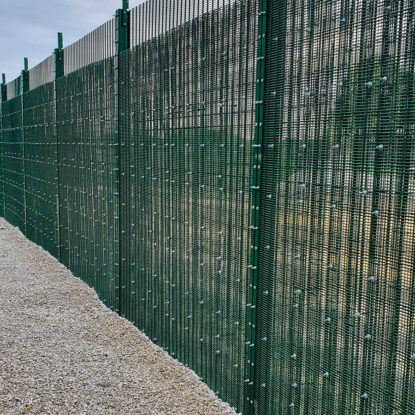


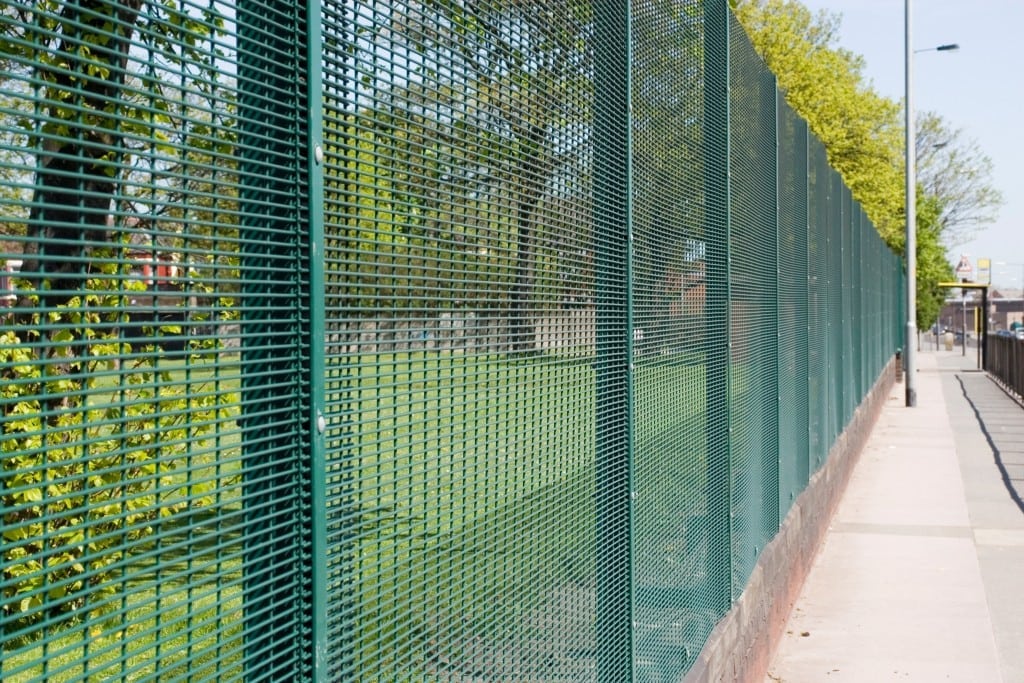
- SR3 fencing against toolset C (eg 16 inch boltcutter) for 5 minutes is available using double layer 50 x 30mm ‘UHS mesh’ 8 or 10 feet high; privacy versions are available up to around 8 to 11 feet high using a double layer of tongue and groove wood panels totalling 68mm thickness, and can be upgraded to hold off toolsets F or G for 1 minute. Heras do fencing up to SR3 in their Zenith (SR1-3), Pallas Xtra (SR1) and Tangorail ranges with 4mm wire in the SR1 Zenith and the SR3 bolting together their SR1 and SR2; they also do HVM gates and the CPNI B960 swing pedestrian gate. Zaun do Corrusec twin skin mesh to SR3.



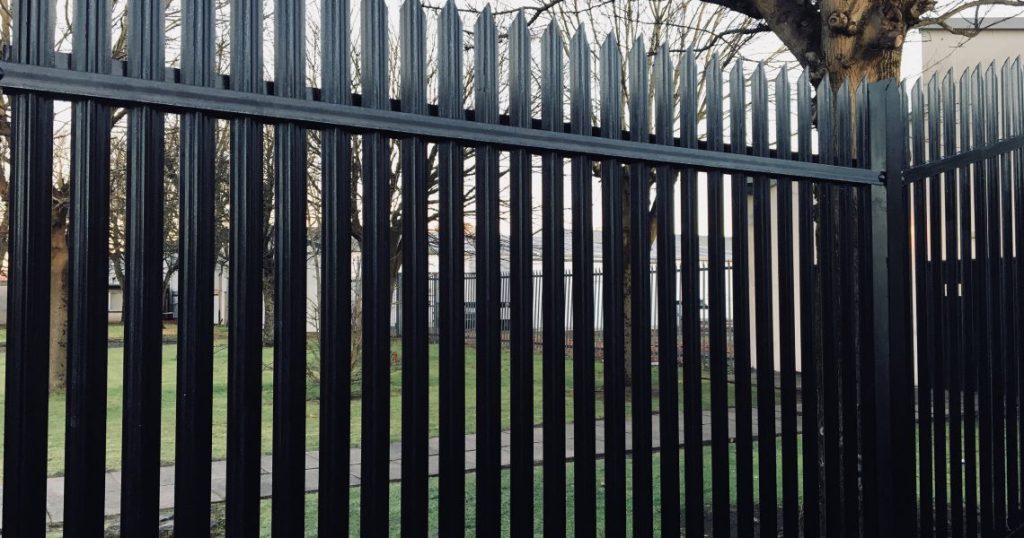
- Another way of getting SR3 is palisade such as Barkers Stronguard (used by Essex & Suffolk Water) or Lochrin Bain Defender.

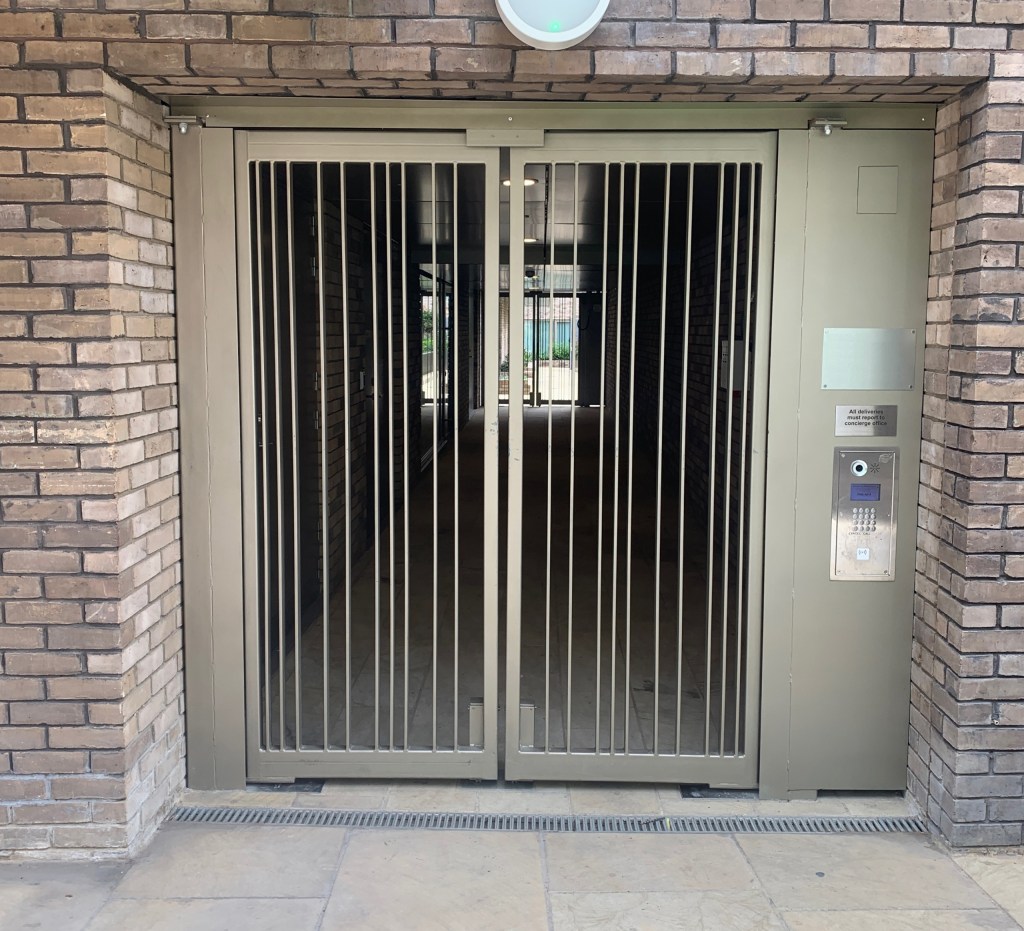
- Although they do not do fences, a big name for HVM, and gates up to SR3, is Frontier Pitts who for example kitted out Lockheed Martin cyber centre at Barnwood Sq Cheltenham. They do pedestrian gates to SR3 and sliding, double & bifold gates up to SR3 or HVM standards.
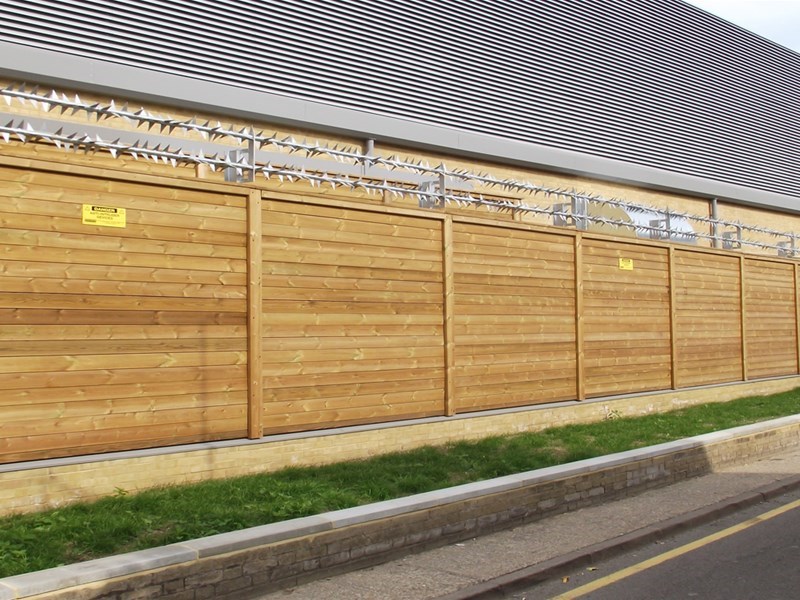
- Once you have posts that can take thick wood panels to take impact then you could insert metal sheets or mesh to slow down cutting, which is what Jacksons have done with their CPNI Jacoustic 3 counter terror beast, sandwiching 7’8” high mesh between two 13’ high layers of horizontal slats in steel posts. Its sister product, Jacoustic Class 3 is shorter and thus not CPNI but is instead rated SR3 and comes 8’4-10’10” high.
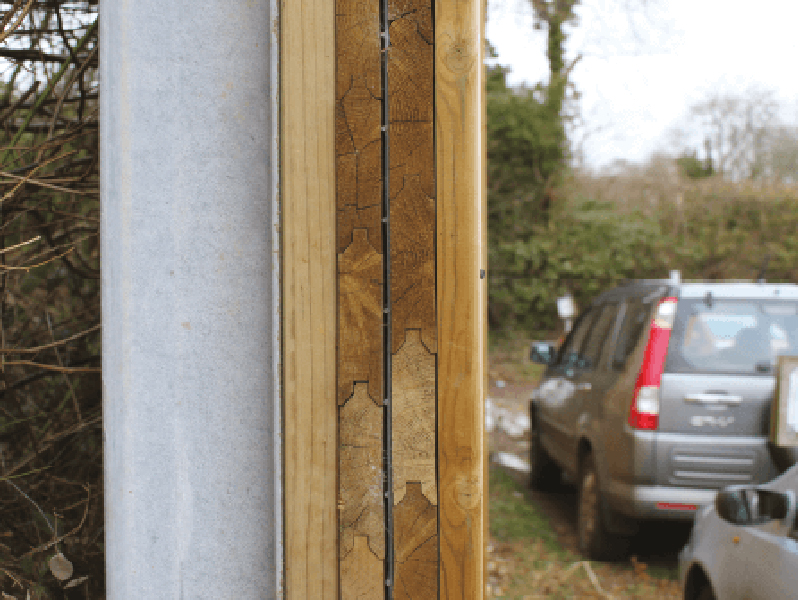
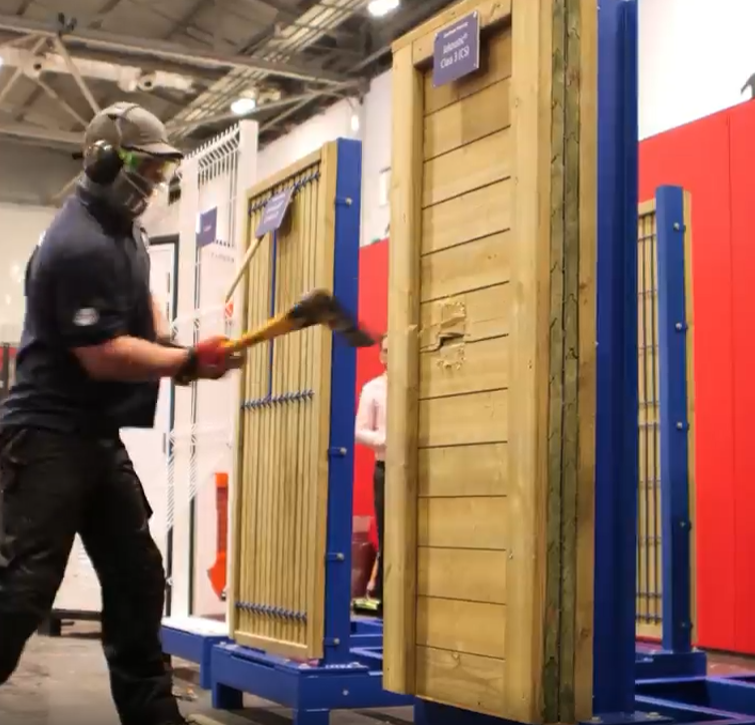
- Like SR4 to SR5, SR3 mesh will look like you have something worth burgling. SR3 is effectively but unofficially the rating for exceptional domestic risk. You could easily decide that the fact of SHTF and you having a stash is ‘exceptional risk’ even though you are not a Russian oligarch.
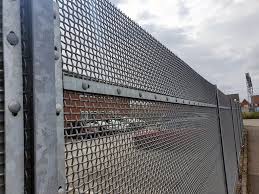
- The other way of getting up to SR3 is exmesh from reseller Procter or direct from Expanded Metal Company.
- SR2 fencing using 76mm x 13mm Securimesh is available 8 and 17 feet high to see off toolset B (eg 14 inch boltcutter) for 3 minutes, but that is not wooden. As long as the intruder is not expecting trouble with the fence, SR2 is probably proportionate, but still could do with disguising and will let an amateur through quickly, although buying a very short amount of time is all fences are about anyway. An alternative is Barkers Secureguard SL2 which also has C1 rating (used by Northumbrian Water) and Betafence Securifor to SBD and SR1 or SR2 (and unrated gates to match), also available to CPNI or ASTM. Barkers Stronguard palisade SL2 is used by United Utilities for water CNI in combination with Stronguard RCS. CLD sell mesh SR1 & SR2 fences Dulock, Fencesafe & Ultimate, plus Securus up to SR3. Fastline do Imperium mesh to SR1 or SR2. Zaun do mesh to SR1 and SR2.


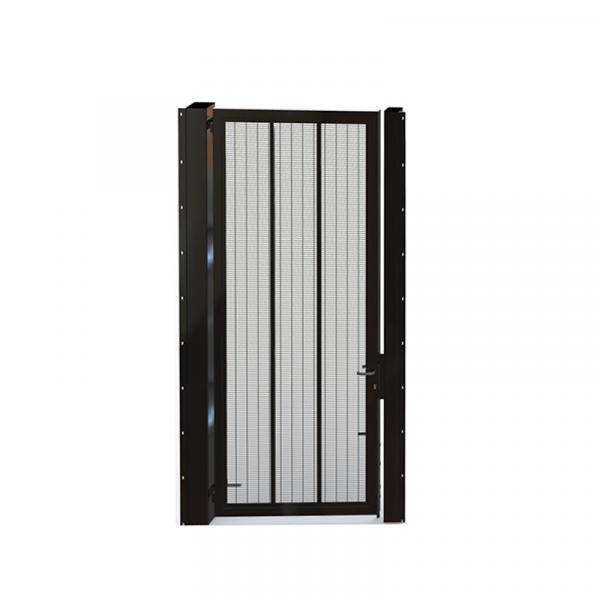
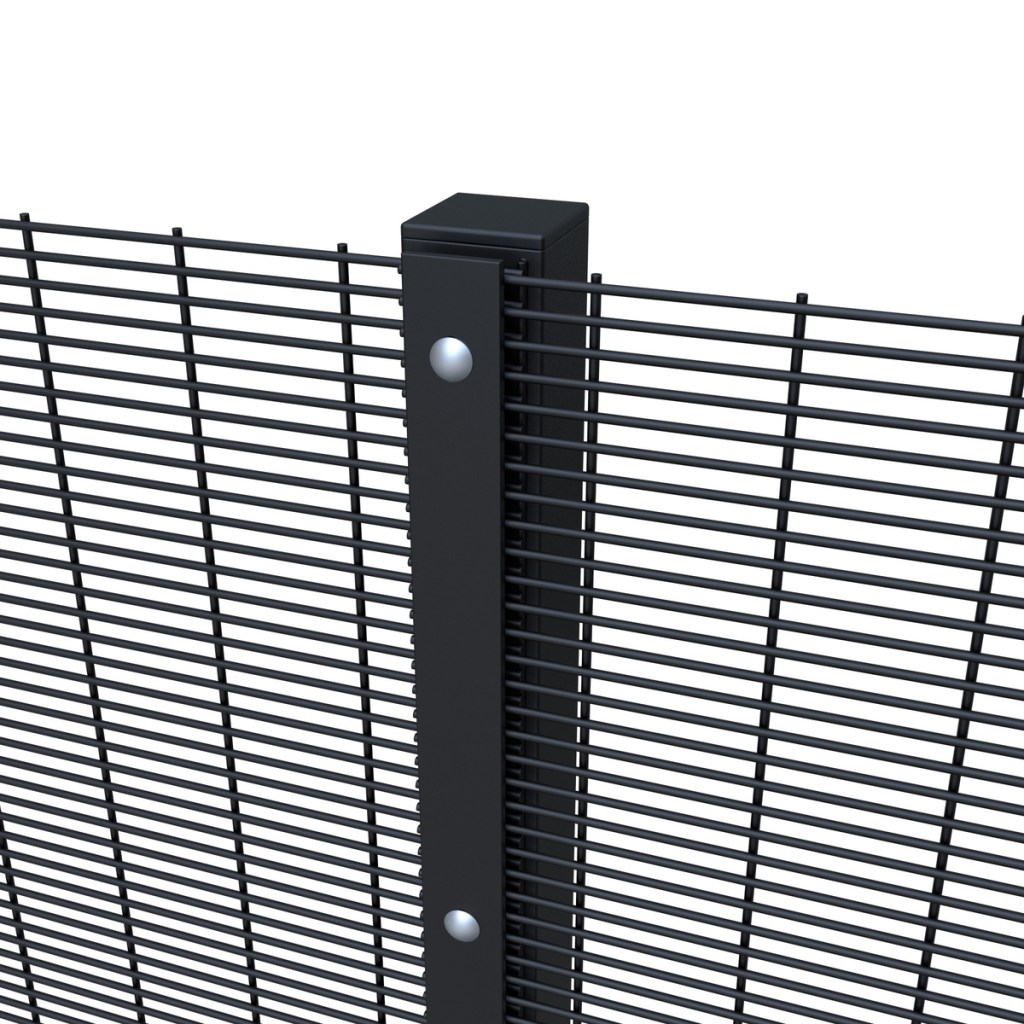
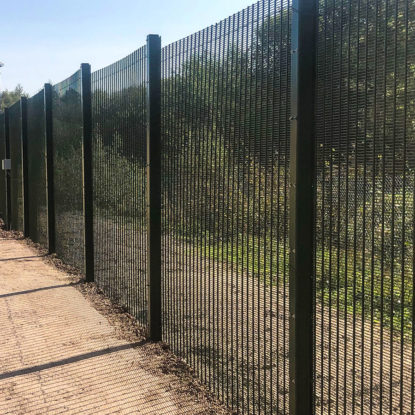


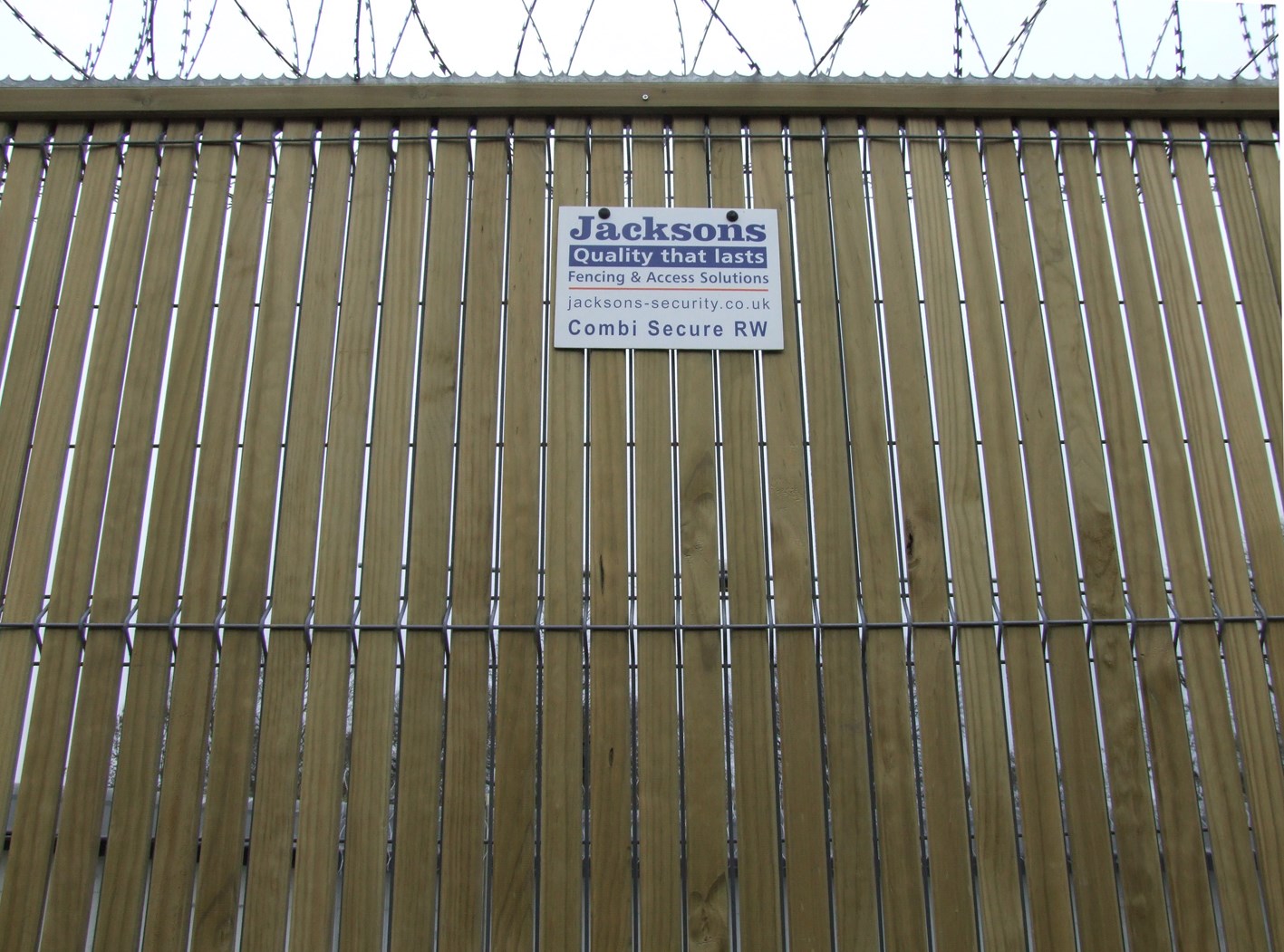
- The only LPS rated wooden fences that roughly fall between SR1 and SR3 is the CPNI version of Jacksons’ SR1 rated Euroguard Combi, and the SBD terror rated 8’ high Trident Combi 2 – which hides mesh (presumably 358 like their Trident) behind 40x17mm vertical slats held by 5mm cables and topped with barbed wire bolted to slats (but is still partly see-through).
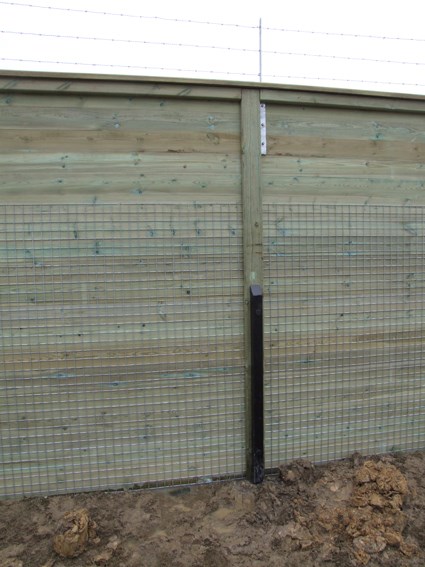
- Their 10’ high Jacoustic 2 – which is the SBD terror rated & CPNI version of an SR3 – hides 5’8” high mesh behind solid horizontal slats, and is labelled ‘2’ but is probably more like SR4.

- SR2 palisade examples include Lochrin Bain Combi. They also do an SR1 palisade.

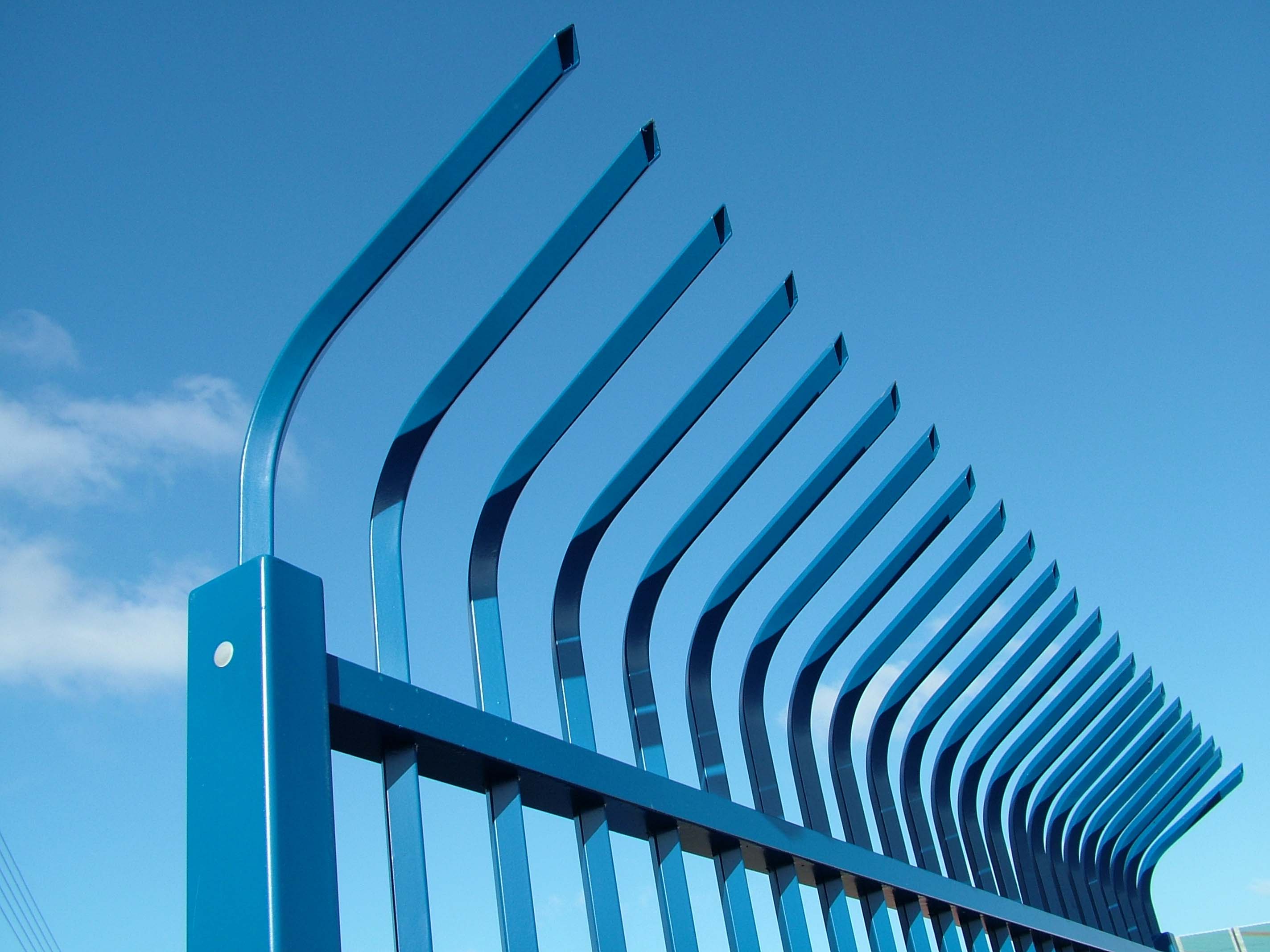
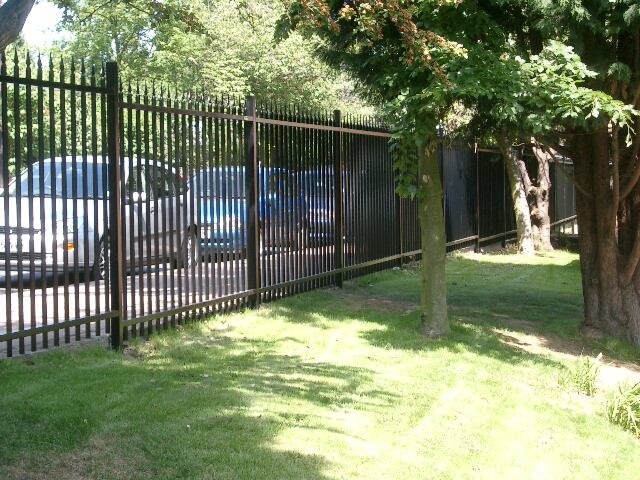
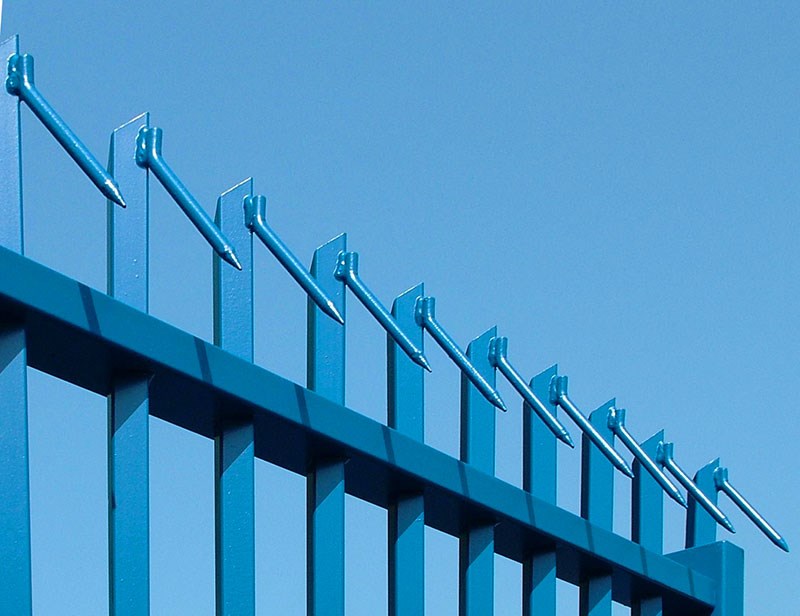
- SR1 fencing is typically pale through rale, with barbs at the top (sometimes more than there are pales). It comes 6 to 10 feet high but with 4 inch gaps, or in a budget version using mesh 6 to 8 feet high or 5 inch spaced bars 6 to 10 feet high, or you can get a privacy version (eg Jacksons Euroguard Combi SBD) 7 to 10 feet high using 200mm x 50mm mesh covered with wood slats, or 6mm x 13mm mesh as a visual deterrent from 6 to 20 feet high using mesh rated A1 that can stop a pocket cable cutter for a minute.
- SR1 is also available in 358 mesh such as Barkers Secureguard SL1, Lochrin Bain 358 (on 2.5mm thick posts) and NK Fencing Ibex Hi Security. Heras installed 2.4m Zenith SR1 mesh at Keadby 2 power station.
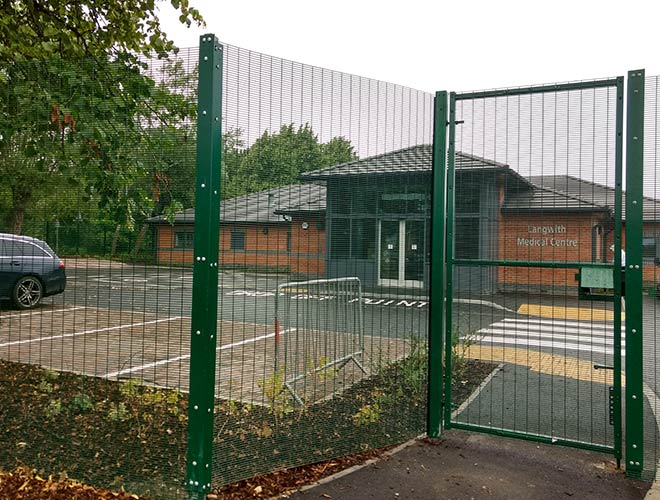


- These factory fences look horrible and would need disguising and are only rated for low domestic risk. They may look fearsome, but anyone with tools will be through in no time between the pales. Think of them as ‘keep out’ signs. A possible exception to that rule is the Lochrin Bain SR1 Combi SL1, which is SBD terror rated thanks to up to 4 rails and 28 x 4mm pales per bay bolted through the rails; if disguised it could deliver a nasty surprise to an intruder once they get past whatever wood dressing you give it, assuming you do not need the surveillance of a see-through fence.



LPS2081
- There is a low risk domestic LPCB standard below LPS1175 that covers fences facing only a risk of stealth attack by small tools, LPS2081. This requires height of 1.8m for SRA rating and 2m for SRB rating, which can include permanent topping of equal strength. Its toolset ‘a’ includes tools like 6” wirecutters and 12” crowbar which have to be resisted for 1 minute to achieve SRA, while toolset ‘b’ includes tools like 14” boltcutters, 8” tin snips, hand drill and junior hacksaw which have to be resisted for 3 minutes to achieve SRB. These standards can safely be ignored as they are not used by the public as insurers do not require them for householders, although Premier SS do an SBD & LPS2081 SRB rated G81 gate.
BS1722
- Part 14 covers steel mesh. The required height is 2.4m for casual trespassers and 3m for determined trespassers. The expectation is that wire will be 3 or 4mm, apertures 0.5″ to 2″ square or equivalent rectangles, and weight ranges from 2.2 to 9kg/m2. Strength against pushing must prevent deflection more than 10% of height against 700N with airbags at 1.25m height.
SBD
- Police approve fences including non insurance rated ones.
MoD
- MoD’s JS440 Chapter 5 Section I Annex E ranks boundaries from class 1 up to class 4:
- Class 1 = hedges
- Class 2
- 9″ thick 8′ tall brick wall & topping
- 8′ tall exmesh & topping
- 8′ tall pallisade
- 8′ tall chainlink & topping
- Class 3
- Class 2 + electric fence
- 8′ tall weldmesh & topping
ASTM F2781-15
- There is also the USA standard ASTM F2781-15 for noisy manual attack on fences from gangs with tools graded low (‘L’, eg boltcroppers), medium (‘M’, eg battery grinder) or aggressive (‘A’, eg pneumatic drill), and options for guns or 2 ton vehicles ramming at 20mph with 6”x42” bumper 24” above ground. Ratings are similar to LPS in that they use a letter for tool group followed by a number for minutes, eg M10. Products in Britain include Barker’s Stronguard MA palisade-mesh combo with 3mm 358 mesh on 80x120mm (used at Bradwell Magnox) posts 8′ or 10′ high rated SBD and M10 or M10-A5, and Betafence’s Guardian 7000 double layer mesh system rated SBD and M14-A4. Betafence offer Securifor Defender abroad, using 4mm wire 12.7×76.2mm mesh and spirals lasting about 8 minutes against a petrol grinder.

Military
- USA DoD standards, such as Marines, assume chain link buried 2” in concrete and include two 7’ high fences 30’ apart for nuclear sites, and 9 gauge (3.7mm) 2” square 6’ high mesh for arms dumps.
- The US Marines standard is for selveges to be twisted barb at top and bottom, the fence 7’ high plus 1’ topper, with reinforcing wires, fastening welded or peened, 45 degree 15” ‘Y’ outriggers with three strands of barbed wire each side and potentially also barbed wire or tape coiled between, although openings to only have 0.5” bars on 9” centres.
- US DoD arms standard is 6’ high 2” 9 gauge (3.7mm) chain link buried 2” plus topper all to RR-F-191K(aq), with gates locked with 3/8” chains.
- NATO requires 2.5mm thick 76mm grid 2m high chain link with 3.76m post separation.
- MoD standards under JSP440 ranged from class 1 to class 4. Class 4 is an alarmed fence capable of delaying a skilled resourced attacker from climbing or breaching. Class 3 is supposed to delay climbing and breaching with limited hand tools. Class 2 is supposed to slow an opportunist trying to climb or breach who did not bring tools. Class 1 is a demarcation such as a hedge or fence that would not stop a determined intruder.
Ballistic fences
- Ballistic fences are available also with claimed blast resistance, to UL752 8 and NIJ 0108.01, such as Betafence Armorguard using aluminium and fibreglass on steel posts.
 Limey Prepper - UK Preppers Handbook