- Planning
- The window challenge
- Window design tips
- Glass
- Juggling threats
- Frames
- Shutters
- Garage
- Doors
- Walls, floor & roof
- Indoors
- Bunker
- Perimeter
- Active defence
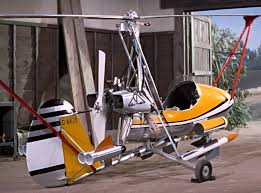
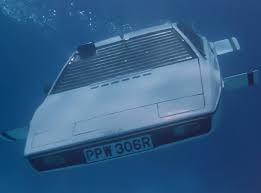
Here’s the strongest house you can build on top of your SPECTRE bunker if money is no object and you want to live to die another day. As construction isn’t exactly your speciality, you’ll need an architect, surveyor and engineer, but sadly they will have to be fed to the crocodiles afterwards for secrecy. This guide deals with physical and technical security, but you’ll also need to think about personnel and cyber to prevent insider attacks and hacking. In this business you prepare for the unexpected.
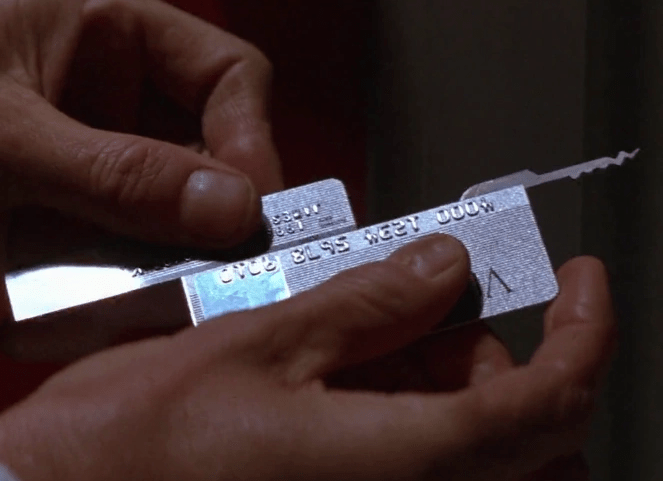
Remember, it’s not only state actors coming for you, but Bond villains sometimes turn on each other, so you need countermeasures for your own diabolical doomsday tech as well as the usual tool groups, bombs and bullets. So be ready for enemies bearing cyanide, flamethrower, bionic body parts, poison gas or darts, throwing knives, daggers, garottes, periscopes, bugs, killer hats, lasers, jetpacks, scuba divers, electric chairs, skyhooks, jet bullets, spears, hidden xray machines, safe cracker machines, fingerprint copiers, grappling hooks, voice changers, zorb balls, miniature disguised guns or rockets, radioactive lint, watch saws & magnets, miniature disguised radios, killer tea trays, ejector seats, gondola hovercraft, miniature disguised bombs, magic rope, acid pens, robot dog cams, ring cameras, lock pick cards, steroid injectors, cigarette binoculars, rake metal detectors, killer sofas or phone boxes, stun guns, remote control vehicles, sonic rings, magnetic bodysuits, nanoviruses and EMP watches.

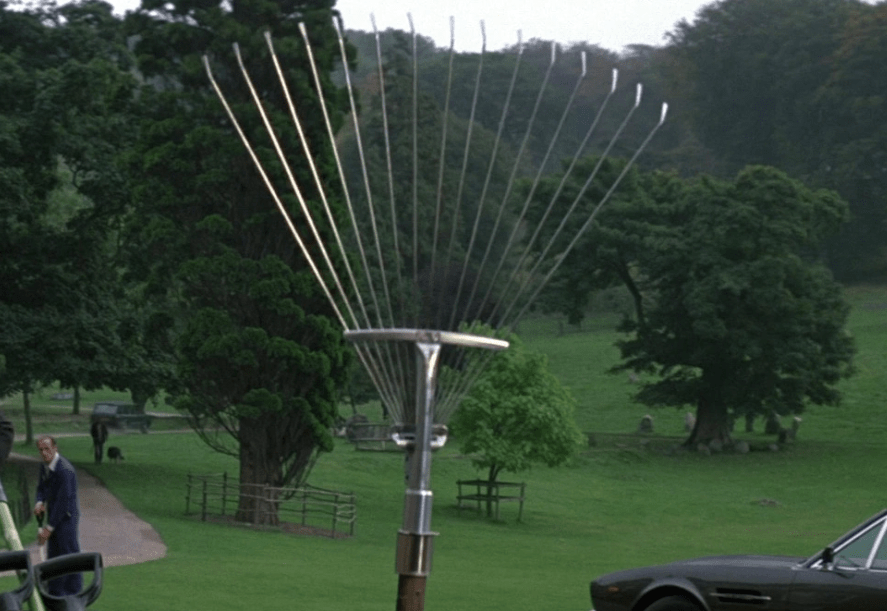




In short, the enemy may come at you with all manner of vehicles from land, air or sea, with supersoldier enhancements like magnetism and strength, and weapons including ballistics, blast, gas, directed energy weapons and traps, and deploying surveillance, comms, lockpicks and xrays. Your countermeasures must include blowing them away from a distance, and hostile vehicle mitigation, non-magnetic structure, thick concrete buildings, roofs painted blue against doomsday lasers, bullet resistant windows, gas proof doors, internal only locking doors, lead lined or plastic combination locks, and electronic warfare. Be ready, as you don’t want to end up saying “I always did hate this house”.















Planning
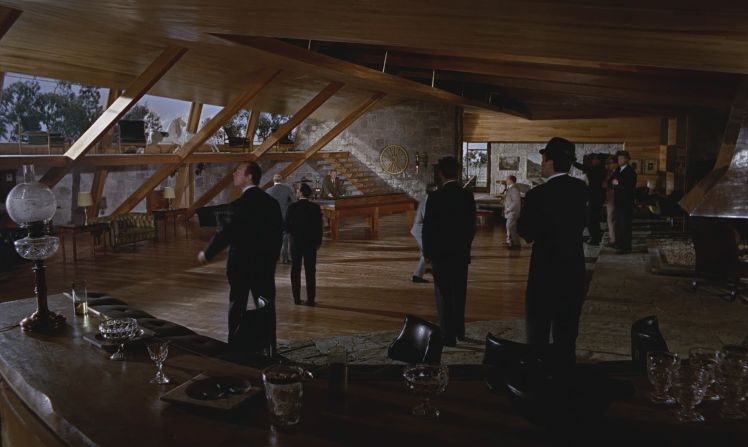
Unless you think you only live twice, the main differences will be lifestyle, utilities, and building fabric that openings go into. Walls and roofs will be as strong as openings like doors and windows, although can be stronger if needed for structure or to address risk of collapse under attack or to present a harder target across the non glazed surface. Remember that open plan design undermines blast resistance. Utilities must be replaced with your own self sufficiency to avoid service penetrations, with the excess supplied by trusted friends to minimise risk of infiltration via food, water, batteries, gas canisters etc. You’ll lead a cat and mouse life with doubles, decoys such as circus troupes, bodyguards, armoured vehicles and tunnels (never your escape tunnels) to reduce risk of kidnap and assassination – including faking your own assassination – on the way to casinos. Once SHTF it’s time to use blackout blinds and only use generators when acoustically insulated. It’s time to live and let die.

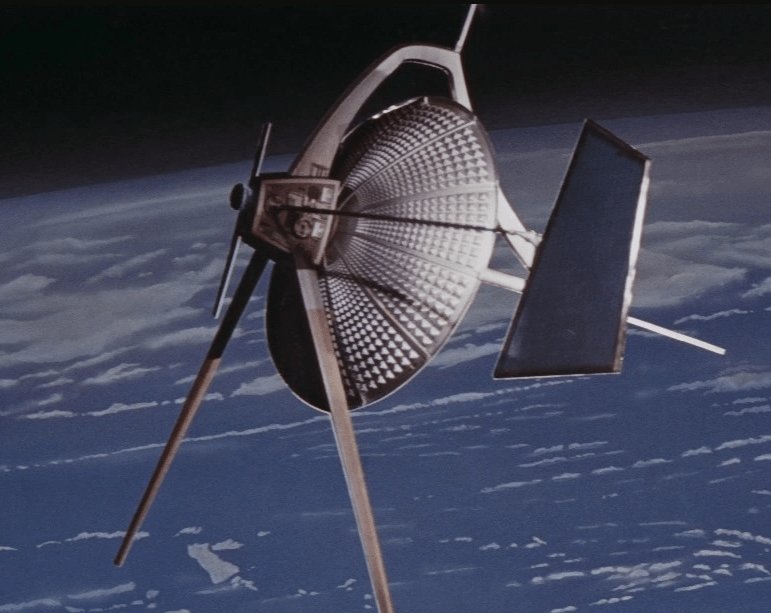
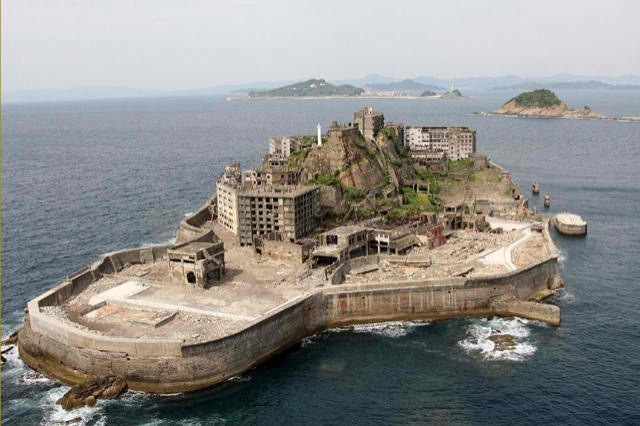
You have decisions to make. First is perimeter. You want an early warning system of spies and hidden cameras encircling your surroundings to tip you off about bad hombres, but eventually you must choose a circumference for guards and tech to alarm on penetration and start shooting the living daylights out of Bond’s troops, the cost of which increases with the square law with radius, inside which you must choose a much smaller lethal circle of tech, traps and troops. Get inspiration from products from Leonardo and Allwan on covert surveillance gimmicks. You’ll get a quantum of solace from delay time, however many minutes you can afford from a combination of spies, tech, guns and building fabric, considering they may come at you through tunnels or aircraft. Missiles, perhaps from Russia with love – including directed energy – is the biggest influence on how much you can live up top in one lair. Secondly, you choose how many backup lairs and where, perhaps a stud farm in Kentucky for interrogating spies, biolab atop the Alps for brainwashing your soldiers, oil rig for launching satellite lasers, Carribbean island for your voodoo poppy fields, shuttle launchpad in the Amazon for mirror satellites, satellite command centre in Cuba, gene therapy clinic in North Korea, a nanovirus lab under a casino. All the bugout lairs in the world is not enough unless they are secret.
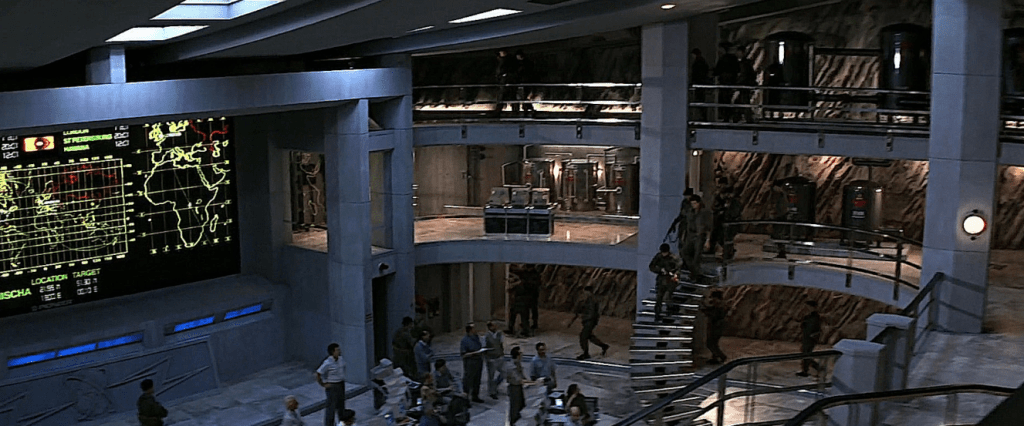








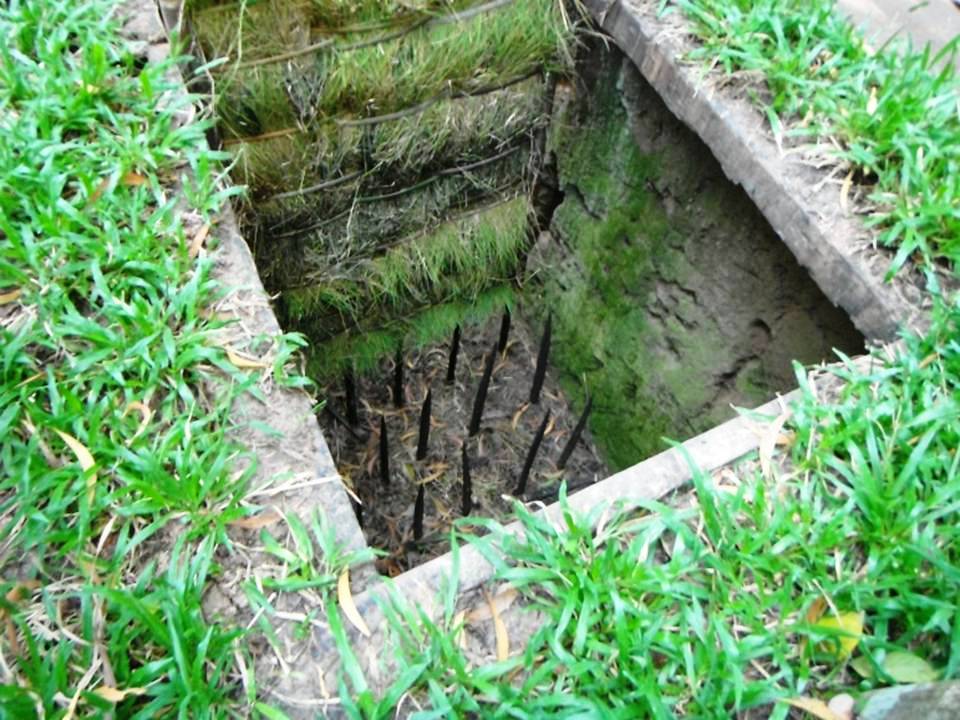
The bunker will be easier going in first if underneath, but is ideally in the grounds in case of fire or collapse overhead, after all, there a saying in England: where there’s smoke there’s fire. So let’s assume your lair has it’s own floor, which must resist tunnelling so will be almost as strong as the roof as it will also serve as a raft to float the house if the earth moves. Like all sides of the shell, it will be made of reinforced concrete with spall liner. Like all edges, it will be tied to the rest with earthquake joints for protection against collapse in case of a mysterious blast.
Walls and roof will be much the same, avoiding service penetrations or at least unsurveilled ones, and any will need grilles such as a grid of 3″ squares of 0.5″ steel bars or 16mm bars, with seismic sensor to slow down special forces with thermal tools. Thickness and concrete density depends on the strongest doors and windows you can buy, plus any structural requirements.

The third decision is whether to spoil the lines of the architecture with sacrificial blast vestries covering openings, allowing you to further harden the shell without being undermined ballistically by doors and windows. It’s nice to have that house porn look, but you can never say never to security trumping looks.

A fourth consideration is whether to have external locking, depending if you’ll always have trusted guards inside. If you need to unlock from outside then choose where your final exit door goes, and beef up tech and guarding around it; any other doors will lock only from the inside. All doors need an airlock to control what gets in.

Fifth, as with doors, decide what windows should look like in various security stances. Can they ever be hidden behind shutters or obscured by grilles?
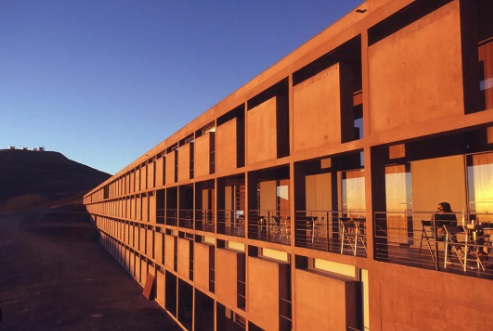
Finally choose whether you need ventilation with openable windows or air con. Either is an undesirable wall penetration. Air con is an opportunity to gas you but you could compromise with a sealed bedroom with air scrubber, and after all, most Bond villains live in hot countries. Otherwise you are paying for some extra thick window frames and locks you don’t need, although with sufficient standoff you may feel you can take your chances with space weapons and enjoy a bi-fold veranda.
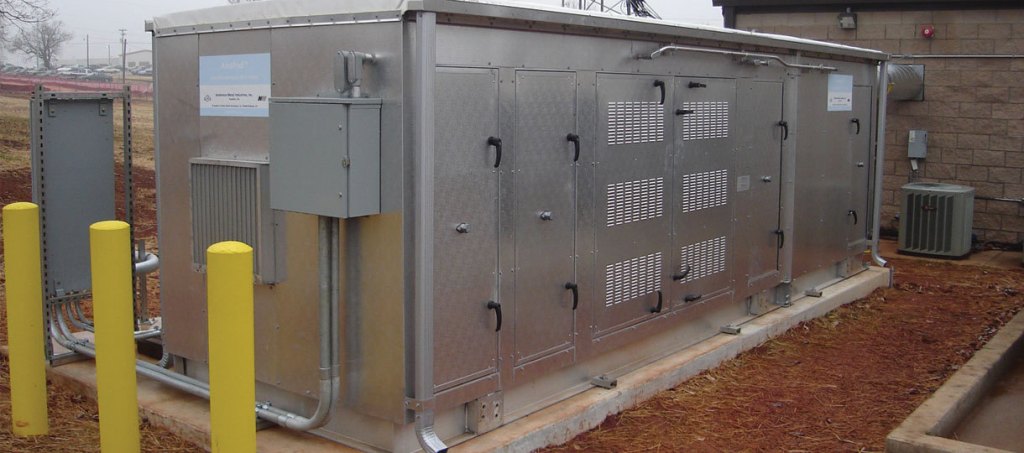
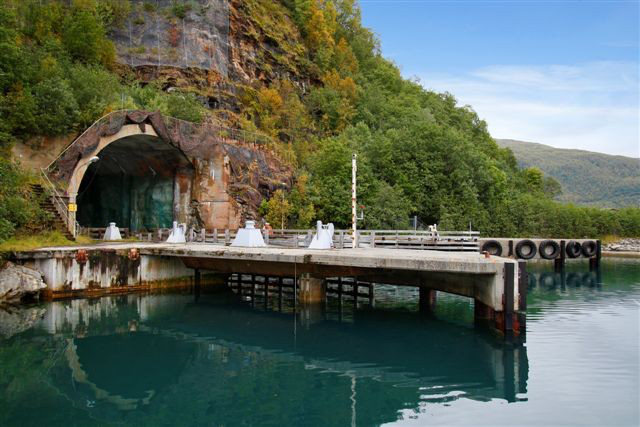
Your compound is for your eyes only. Design the perimeter and plot with a view to a kill, so you can see the enemy easier than they can see you, and you can get out faster than they can get in. Reserve at least a 100m standoff from fence to building against bombs and a 20′ clear zone outside the fence. Be up high with no walls, trees, roads or Orient Express trains overlooking you, and no choke point escape routes for you, like bridges. You may need a coastal spot so you can escape in a stolen nuclear submarine through an emergency exit cave.


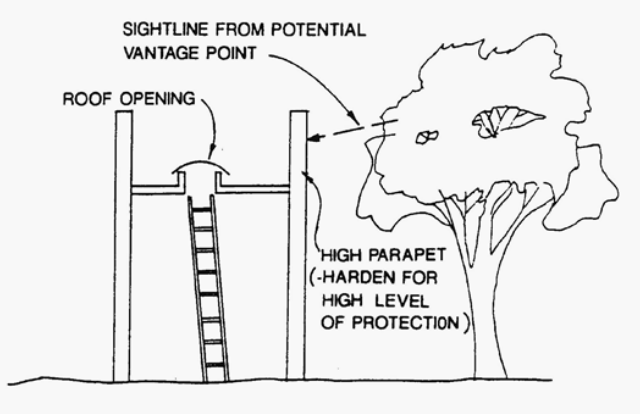

The window challenge
Once you have guards to let you in, the choice of doors expands to include strongroom doors. But windows will never quite keep up, and making them hardenable with shutters isn’t much of a solution as if you know there’s trouble you’ll be down in the bunker anyway. Remember, ballistic laminated glass can only be trusted to stop one round per plate, so you need to evacuated within seconds. So you can buy doors plenty strong enough, albeit there may need to be some discussion on skinning them to look less industrial. Windows are the weakest link, so we start there to find how strong it is worth making doors and walls etc. Intruders still like a door for convenience and you don’t want the roof to collapse on you, so there’s nothing wrong with saying you want a sledgehammer proof house that will happen to have doors and walls that would stop an RPG. In fact those walls could be extended to protect the windows via vestries. There’s no guarantee you’ll stop an RPG with glass even as thick as the concrete wall needed to stop it, and there’ll be spall even if it does.














Window design tips
Starting with windows, let’s assume you want a decent view and not to raise MI6’s suspicions by buying up the world’s reserve of Alon military glass, so you’re not using tank vision panels. And you’re happy with hefty looking frames for any opening window. You’ll try to avoid windows on the ground floor and use only fixed lights on the first floor and limit opening windows to second floor up, and ideally restrict windows to inner courtyards or at least angle windows away from from likely blast, and if guns are the main threat then keep windows vertical, narrow and in recessed walls, and fit flush with the wall to avoid blast reflections. Unfortunately recessing windows to avoid direct fire creates reflections from corners so creates a need for extra blast resistance. Try to keep panes in a fairly square aspect ratio to avoid stresses. If expecting it to survive a distant nuke then limit pane size to three square feet.

Glass
Use a minimum thickness of 3mm glass for each plate and a medium minimum total thickness of 6mm of glass, try to use similar thicknesses and to balance weights on each face, and put glass on the attack face. Calculate blast rating of poly glass from the thickest of either the total poly or total glass. You want the most blast, ballistic and forced entry resistant glazing on the market.

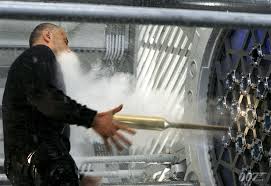
You can be assured Q’s glass cutter or sonic ring simply doesn’t cut it or ring true for laminated glass or polycarbonate. The glass Q pretended to break was a single pane of tempered, which would have exploded like it did if you tapped it with any sharp diamond ring.

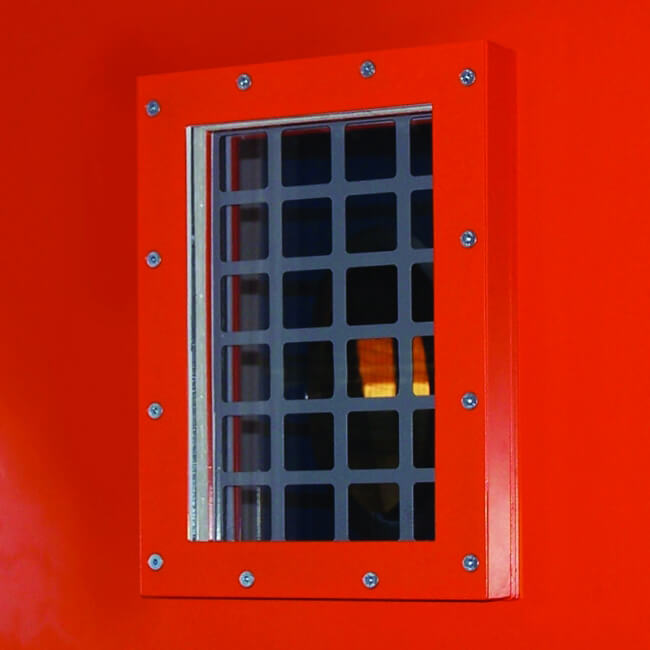
The most outrageous glass you can buy off catalogue is Sicurtec Bullet FFV 135mm, designed for 7.62 x 51 VMS HK, but you’ll need to commission custom frames. There’s another clear glass to the same forced entry grade, Silatec 95mm, it will be easier on frames but depends how scared you are of 50 cal armour piercing. Either glass will comfortably exceed the severest blast standard, would roughly match SR6 forced entry grade and would exceed SG2 & BR7 ballistic grades. If you don’t mind an ugly metal grid you can have an equally rated burglar resistant vision panel in a door like a Sunray Excludor, although it’s only glazed in 51mm GridGlass so needs a ballistic wall to shield it against AP rounds from rifles, unless you can arrange them to have a new thicker vision panel designed with an Alon, Spinel or Safire attack face. This door isn’t a blast door however, even though the glass is probably as good as the severest counter terror blast grade. You can commission thicker layups, after all the nuclear industry have plates metres thick for observation of fissile materials, but normal glass it starts to look very green and you need to think about how to move it and where you will fit the frames unless the wall is thick enough.



Be careful buying glass with a toughened attack layer as it will lose much strength under sustained attack.

Blast requires 1.52mm structural interlayers such as Everlam 54J or Trosifol Clear B100 LR.

Solar control can be built into a layup with low e glass, but air gaps may have to come from secondary glazing if you don’t want aluminium spacers allowing gaps to be made, and security frames won’t have thermal breaks.
You can add secondary glazing with switchable ‘electrochromatic’, ‘electrified’ or ‘smart’ glass for privacy, and this can be linked to gunshot detection if you’d rather your enemy can’t see you than you can see them, as well as wifi, fob or switch and can be dimmable. It only works well if outside is brighter than inside so it’s not a night time curtain. The glass is laminated with an LCD layer of about 0.4mm thick polymer dispersed liquid crystal, which takes about 0.4s to go opaque. In theory you can laminate it into your ballistic & blast layup, but it restricts what silicon you can use. Expect to pay £650/m2.
Harden make multi-threat FEBR 60 windows to your blast specification but only up to UL752 8 so can’t handle .50 cal, and don’t have a wide toolset certification like LPS1175.

Juggling threats
You either buy a multi threat product either certified for each or perhaps confirmed by software as equivalent, or make a glazed unit of several plates, one for each task, but virtually all the extra strength would be wasted. Better to engineer one product to be good enough at everything, which tends to mean slightly stronger than each threat. Forced entry polycarbonate glass maxes out at LPS1175 SR5 with 46mm thickness and this already exceeds maximum counter terror blast ratings, which are for distant bombs like car parks. So as you increase thickness for ballistic threat up to, say, 135mm for the thickest commercial ballistic plates you improve blast and forced entry resistance, but by an unrated amount. Certainly even power tools become hard to use on very thick materials, and it’s the same with reinforced concrete.

Frames
It’s easy to buy the glazing but frames will be a compromise either between protection or over-engineering. Blast sub frames should be built into walls by seating and embedded bolts, whereas your forced entry ballistic glass only needed one frame to be bolted in the opening after construction. Anchors should be 900MPa yield and 1.24 GPa tensile, minimum 10mm thick, minimum 100mm deep in concrete to various depths to avoid perimeter shear, minimum 75mm from edges and equally spaced as your frames will be rigid enough to push energy into corners, and you don’t want weak spots for manual attack. Frames should be designed to 167% of design threat stress, subframe bolts to 200% and anchors to 400%. Frames need to be minimum 6mm steel for ballistic, with minimum 5mm stops and beads. Beading should be designed not to rotate more than 1 degree and frames not to move more than 3mm. Check with an engineer whether you need extra wall thickness to avoid spalling or the window bringing the wall in with it.
Normally blast glazing is dampened by silicon or a gasket, but to avoid a tool gap you may prefer to bolt it in or accept an over engineered blast glazing that can cope with having no spring.
Use a 35mm deep bite to stop the pane being pushed or pulled through, and if using silicon use structural grade and make it 6mm thick.
If it looks acceptable you can wrap frames round the wall to hide fixings.
Fit steel rings over bolts to slow cutting through the gap between wall and frame.
Finally you’ll install exterior lighting to maintain brightness outside seven times that inside to reduce unaided surveillance.
Shutters
As glazing remains a weak link, you could fix counter terror shutters: Charter Global’s Obexion MD XR SR5 & NPSA forced entry and VADS (vehicle delay) rated roller outside, but which needs reaction time, and Abbey Protect’s Securablind Defender Premium blinds inside that can remain locked permanently if desired.


Garage
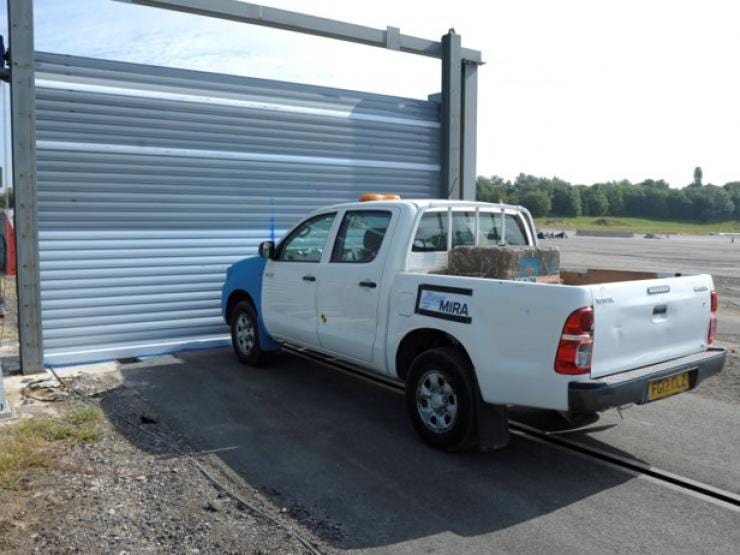
For garages, a hostile vehicle mitigation barrier can be hidden behind the terror shutter, although HVM shutters are available in lower forced entry ratings to give almost the best of both worlds, eg Charter Global’s Obexion XR IWA14 tested for power tools and 4x4s up to 20mph. The speed rating needs you to limit vehicle access to a crawling speed. This weak link means the garage needs extra ballistic and blast protection to seal it from the rest of the house and the integral door needs to be treated as exterior. You could form an airlock with an HVM shutter outside for a vehicle rushing the building line and a terror shutter inside protected by a HVM barrier. You can welcome undesirables with a combo of foam, stink bombs, fog, acoustics and strobe, and perhaps a trap door to a shark tank.

Doors
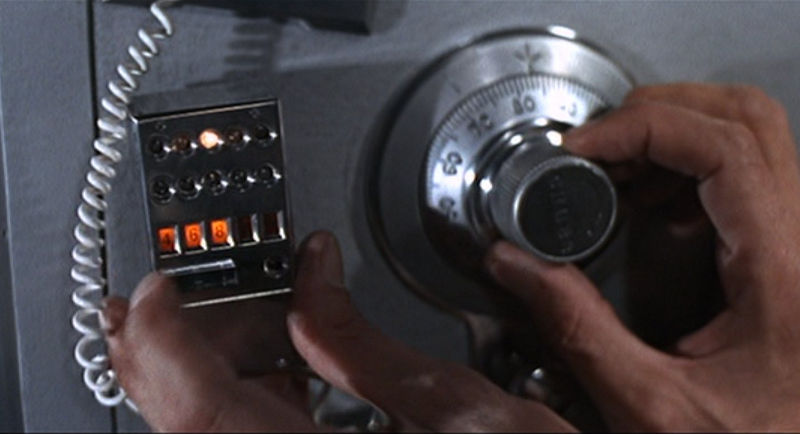
Security rated doors at the level you will be looking at will have the forced entry essentials whether you like it or not, so all you really need to worry about is ensuring you choose an auto-deadlocking multipoint lock. This will probably be Mico, Surelock McGill or Pickersgill-Kaye. Their security rating will be subject to scheduled cylinder guards such as Mico or Surelock McGill (GSS7 is the toughest, rated G5) and cylinders typically from Abloy Disclock Pro or Novel or Protec). Bond’s credit card lock picks will not defeat these cylinders, and his safecracker gadgets do not quite work – he would need a manufacturer specific auto dialler for a combination dial, or special computer for a keypad and insider knowledge of the keypad, or tools and training for a mechanical lock.
But even these high security cylinders are vulnerable to factory compromise of Gold key registration or assembly or sale interdiction, or decoder kits on sale for £4,000 which take as little as seven minutes to pick, or a key can be made for later use after using an automatic impression tool.
Arrange to have the door skinned if you want it to look residential.
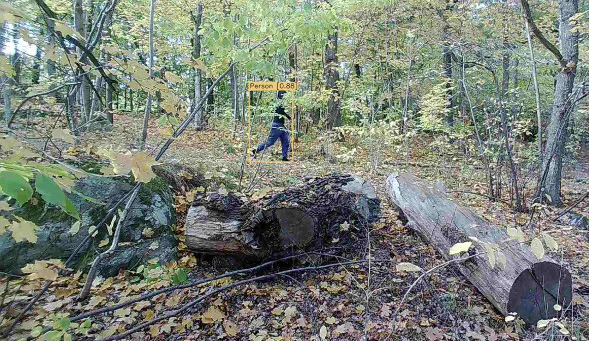
Best avoid vision panels as they cut into stiffeners and doors aren’t thick enough for glazing as strong as fixed windows, although they can made up to a blast rating, sometimes with some of the vision panel sticking out the protected face. Instead use a video door viewer such as from Videx or Comelit – as Ring is a police surveillance network run by Amazon, a government intelligence database host. Consider software like BI3’s IEE TDFlex spot tailgating and Ultinous AI Suite to scan for staff faces.


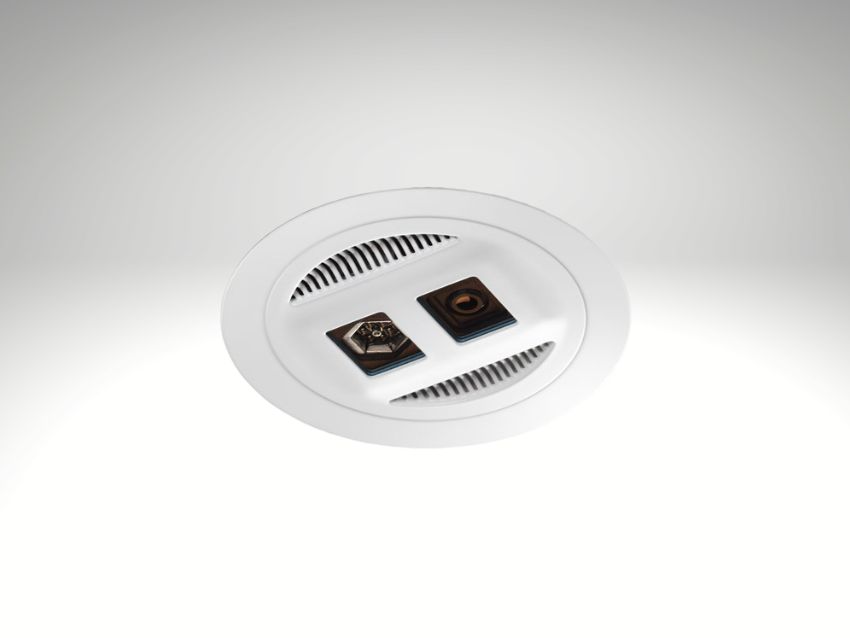
You could ask the manufacturer if it is worth filling the frames with concrete, ideally mixed with aluminium oxide balls and steel fibres.
Keep the door flush with the wall and the paving smooth outside to avoid giving grip to hydraulic rams.
The toughest security rated pedestrian doors are Sunray’s Excludor 6 to SR6 and BastionDoor G5 to SR6 & G5, but if you can accept SR5, perhaps due to adding delay and extra blast and ballistic resistance through an airlock, Safetell do a ballistic & blast door to FB6 & EXV 28 weighing 300kg, and if you can live with inside only locking then there is an even stronger forced entry (but not blast & ballistic) option, Stafford Bridge’s Whitehall G20. The other multi threat options tend to max out at EN1627 RC6 for forced entry. Salzer can do a ballistic & forced entry door to FB7 & RC6 which can be skinned. Sommer sell their S4 forced entry, blast & ballistic doors to RC6 & FB7. Doruk make ballistic doors up to UL752 10 with forced entry up to RC6 & blast options which can also come in residential skins.
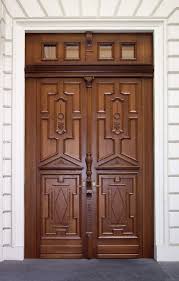
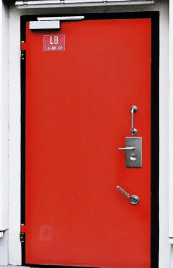

If you insist on SR6 you may have to use an airlock of a blast (& possibly ballistic) door outside and a forced entry (& maybe ballistic) door inside, and anyway blast doors can be too flexible for security and multi threat doors are unlikely to have been certified for the one product against all threats.
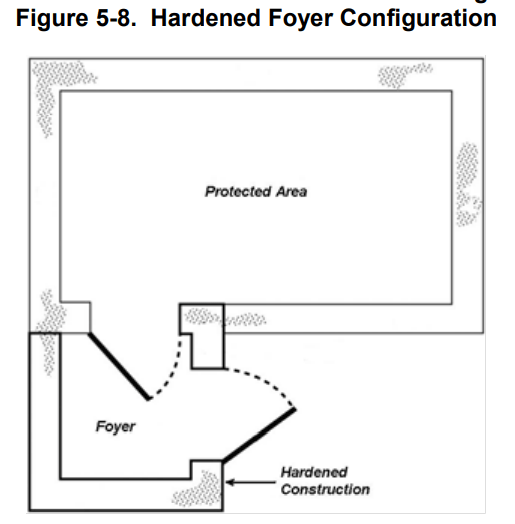
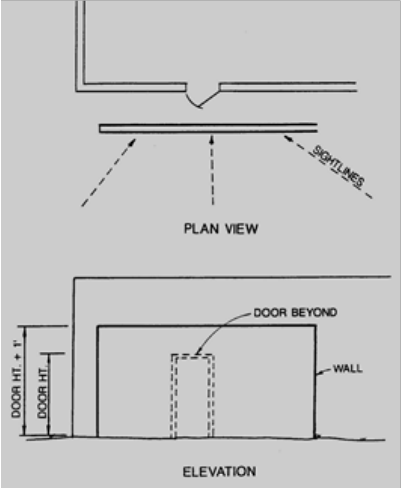

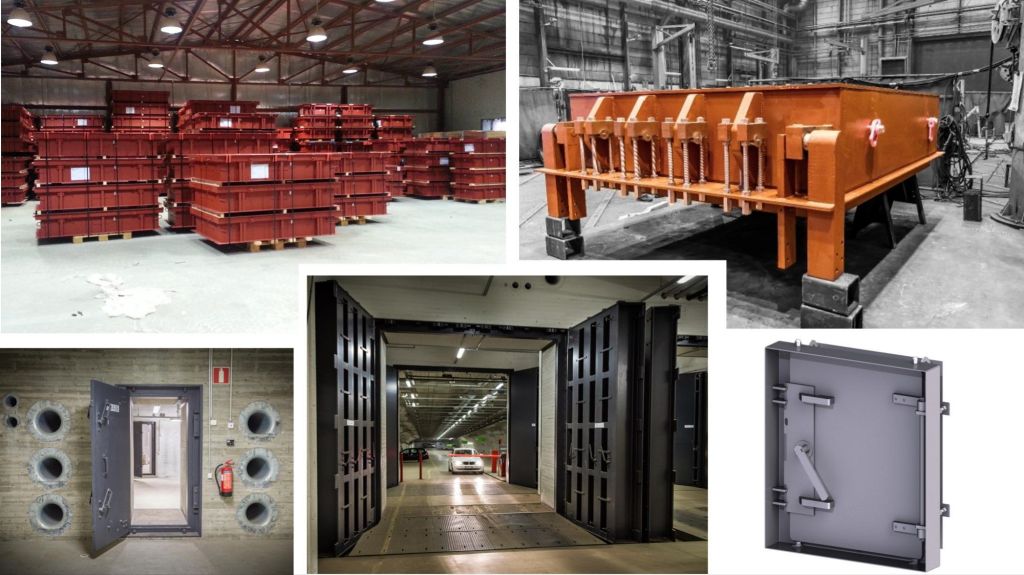
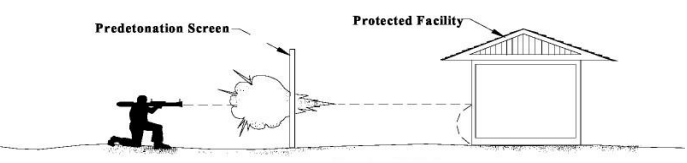
Manufacturers have made RPG proof hangar doors and could do the same for a pedestrian door, but normally you would use an external pre-detonation screen plus ballistic foyer instead to protect a ballistic door that itself has 18mm steel liner and is to BR7, German C5 or ST-STD-01.01 SD rifle AP standard, the blast foyer being 24″ reinforced concrete in case the door comes in.
Walls, floor & roof
The roof should be reinforced concrete with rebar two sizes up from that in the walls, while the floor raft can be equally thinner as long as you have seismic sensors guarding against tunnelling. The roof probably needs to be 8″ 3,000PSI with no4 rebar on 9″ centres, or 6″ 5% by volume steel fibre reinforced concrete, or 5″ 6,000PSI SRC with no5 rebar each way on 5″ centres, unless an engineer demands more for structural reasons. Any parapet must be rounded to stop Bond’s trusty grappling hooks. Against RPGs you can add a sacrificial roof ten feet above made of steel plate and corrugated steel with polystyrene filler. You can use fibreglass liner for ceilings.
State actors or competing villains may use directed energy weapons, so consider defences against lasers and solar agitators. A laser can cut a few inches of concrete at the rate of 4mm length a minute and 30W per millimetre thickness, but it needs disproportionately more power as thickness increases, especially for high strength concrete, which tends to cause tiny explosions during vitrification – so you will notice, plus it conducts heat faster away from the cut. Weaker concrete can melt back together. In one experiment, speeding up the cut ten times only reduced cut depth 40%. A 25kW laser can cut 1m thick concrete at 6mm a minute, and is used for disassembling nuclear power stations. To just blast through needs gigawatts, so basically such a doomsday weapon need its own nuclear power station plus heatsinks that have not been invented yet. Even a laser plane could only heat up missile casing for the atmosphere to tear up, it couldn’t blast them out the sky, let alone vaporise them. And you can fit mirrors, white paint and water filled metal sandwiches as dampers to slow down more realistic weapons. With enough power though it can be done as in the example of a nuke meltdown.


Rooflights are a no-no due to surveillance and gravity helping attackers. Avoid mounting utilities on ceilings that can fall in a blast, or at least use seismic fixings.
The layout should place unoccupied rooms like storage around the perimeter and occupied rooms in the centre protected by those extra walls. Avoid mounting equipment against or on an exterior wall – instead fix it to an internal wall at least 6″ inside.
For walls you can also ensure you have 0.05% vertical rebar and 0.025% horizontal rebar both on 4 feet centres. To maximise blast protection you would have to compromise on rebar by using low carbon steel for ductility. If you want protection from .50 cal you need 12″ 5,000PSI reinforced concrete with 19mm gravel. If you’re worried about direct fire you should upgrade to 22″ reinforced concrete.
If you’re worried about RPGs you need to surround the house with a potentially sacrificial layer of 40″ concrete and line walls with a spall layer of steel or 12mm polyethylene and armoured steel under that for the density square law and rebound to close some of the hole, or you forget about outward facing openings like doors and windows and just make the walls 48″ reinforced concrete. In case you are curious, if an RPG breaks the wall then spall starts flying first on impact, then the fireball tries to get through and catches it up, then the shock wave races ahead of the fireball, then the spall arrives.
Another rule of thumb is 24″ reinforced concrete for direct fire and 12″ for indirect fire or machine guns. If you’re worried about spall you can line it with exmesh, but steel lining causes inconvenience with decoration so you can build in extra thickness instead – even though it’s not needed to prevent collapse or penetration. Steel seams should be welded.
Due to the bunker underneath, let us assume it doesn’t need to be NBC-proof although may want filtration so don’t need seals that commercial products don’t have, and standoff means you need only limited blast, ballistic and forced entry resistance. By the time enemy forces overwhelm your guards you’ll be in the bunker, needing only time for them to give up or, as it’s no time to die, if you like the old fashioned way, you to escape through a tunnel to avoid siege. You might decide to have an emergency escape chute into the bunker lobby. If you use HVAC ensure it is resistant to tampering, and to hacking if run by a building automated control system.
Try to limit total openings area to 0.67% of building volume, for example, a building 10m square and 3m tall has a volume of 300 cubic metres, so should have doors and windows totalling a maximum of two square metres. Ideally for blast you don’t have windows, so this formula would mean only a door. If it was two stories tall you could add a window, but not on the same side as less than half the allowance should be on any wall.
Indoors
Lobby
The building entrance if accessible to visitors should be a reception with guards, no sightlines into the rest of the building, and easy to watch for items left.
Active delay systems
Indoors you can deploy active delay systems such as lockdown and sensory effectors.
Install a central lockdown switch to lock doors with an extra 24V maglock, to drop roller shutters and kill the lights, with options of a panic button or remote and interior manual override switch. Lockdown needs manual triggering and works best if triggered before intruders are inside and needs to be released when your response force arrives. It’s mostly for the building exterior as locking internal doors may simply trap you. Consider likely attack and evacuation routes.
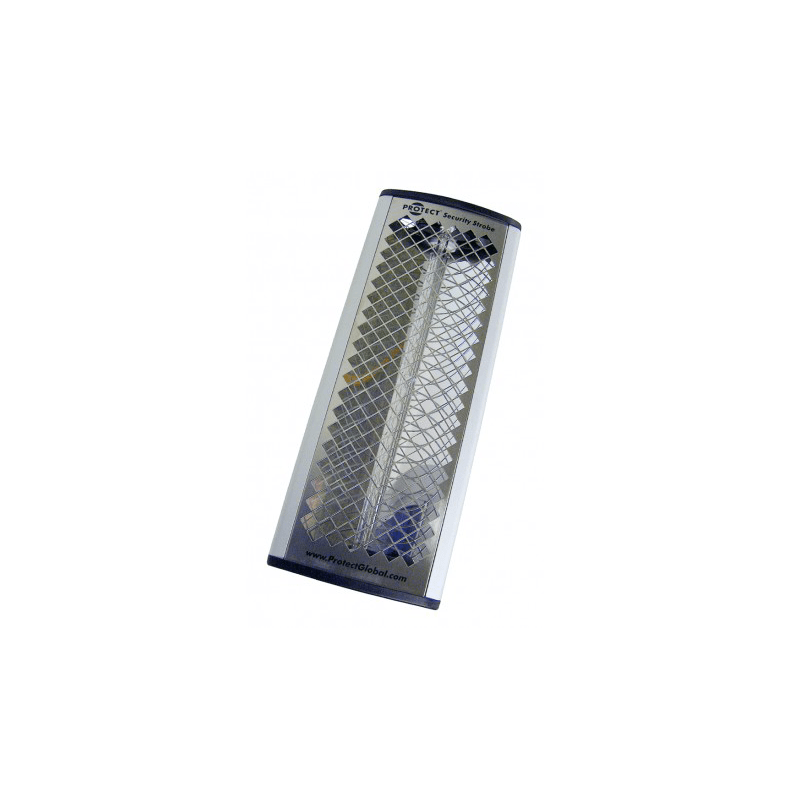
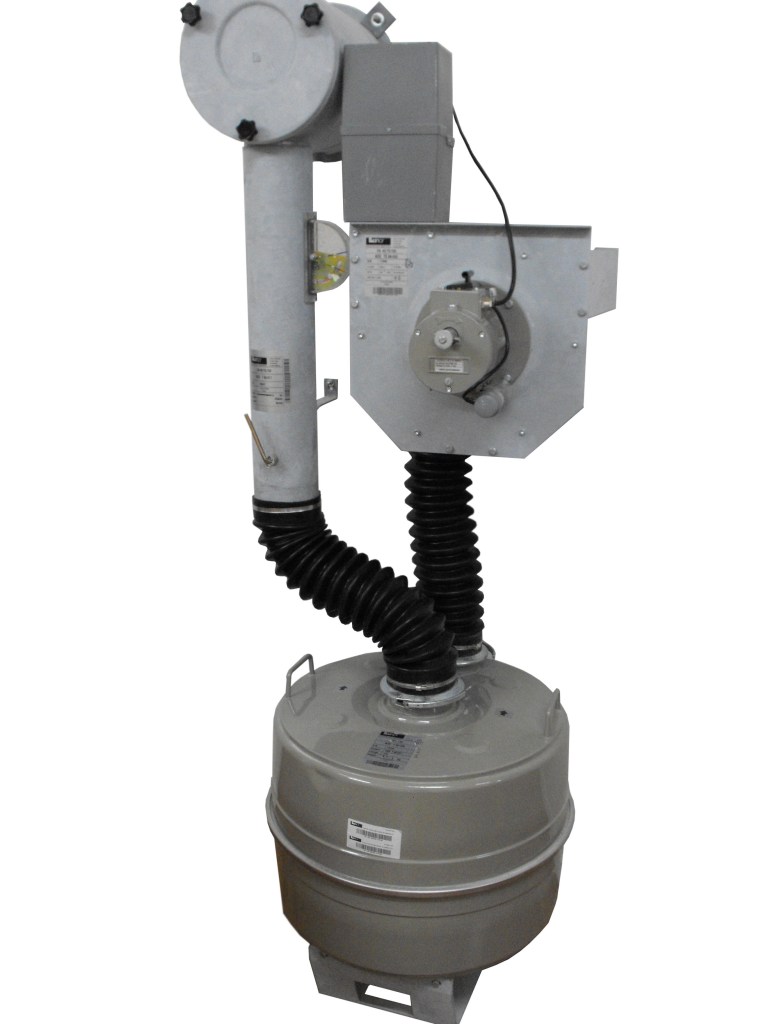
Sensory effectors can be linked to an alarm, panic button and CCTV. Consider fog cannons to BS EN 50131 like Fog Bandit, MSS (Smokecloak) and Protect Fog Cannon – which has a strobe and siren option, prefer fog and strobe. Link fog to HVAC in case your men need to see again or conversely in case you want to stop fog being extracted. Fog should be backed up with thermal CCTV. You may have to change smoke detectors to heat sensors to avoid intruders triggering a fire alarm and confusing you or gaining access to inside or evacuees. Further attacks on the intruder’s senses can include manually deployed stink bombs, or dazzle torches or lamps, alarm horns, and automatic horns, glare lamps (with non-reflective walls) and lighting kill switches (backed up with IR CCTV. Install thermoplastic foam dispensers to entomb aggressors. Concentrate effects outside your panic room. Set up horns to blast out rock music to stop Bonds’ soldiers hearing each other’s tactics. Rig up flashbangs inside and out, like Centanex pyrotechnics from GMKTP, or Typhon electronic flashbangs that can be lobbed (Zeta with 0.5-30s delay), or remotely triggered from 1km (RF) or cable within 50m (MOE) and even a drone (DS100) that fires charges to simulate gunfire. Sensory effectors work best in pinch points and small rooms. NPSA say the best combination is strobes and fog.
Control room
- As an intermediate zone on the way to the bunker, consider a saferoom in the centre of the building from where you can escape to the bunker, control security, fight fires and render first aid. This should be in the centre of the floorplan and ideally second floor upwards, and should come off a corridor that acts as a kill zone to benefit waiting henchmen. Normally you would want to be on an upper floor but for escape you will have to either accept the ground floor or have a protected staircase to the bunker (or escape chute).
- Supplies stored here should last one day and help you fight your way to the bunker and include ballistic vests, helmets and blankets to at least level IIIA or Home Office PB3, a gun safe, and usual prepping supplies and battery backups, lighting, power, comms (computer, sat phone, mobile, radio), escape, firefighting and breathing kit.
- Specify 15 cubic feet a minute air change from a hidden inlet outside in the grounds, with smoke dampers, and which you can switch to positive pressure. Assume the good guys will try to burn and smoke you out.
- Consider 12mm steel lining in case Bond tries to blast his way in.
- Consider training and job descriptions for henchmen so they know who is doing what. Who covers search, visitor escort, deliveries, mail, logging, procedures, CCTV, systems, patrols, key management, systems, incidents, debriefs, evacuation plans, security management and backup response force?
- Consider keeping an on-site engineer and spare parts.
- The bunker could include a backup control room.
- Prepare procedures eg in event of attack you alert response force, sound alarm & announcements, track & neutralise hostiles, then first aid. You need probably 3-5 guards to watch, track, announce and coordinate with patrols and response force.
- Prioritise training radio discipline.
- Ensure everyone on site can communicate via radio or push-to-talk such as Zello.
- In an emergency circulate progress, eg of attackers, and let everyone make decisions on that information rather than you guess what advice to give each location. Those under attack won’t be listening, but those nearby can be warned to run towards or away depending if guards or family.
- Between the control room and bunker consider a decontamination chamber for NBC scenarios.
- Gun safes can be to BS7558 or SS302. SS302 Gold is equivalent to £10,000 cash rating.
CCTV control desk
- Consider how you will recruit, train, motivate and organise CCTV guards. Bear in mind vision, memory and attention span. You need people who know the site, systems and threats, how they fit in with other teams, and will react. An SIA CCTV certificate is a start. Sadly of course, if they fail assessment they know too much so will have swim with the sharks.
- Your guards won’t be so interested in recording and legalities as in the outside world.
- Determine manpower. Choose short shifts with handovers, and divide CCTV monitoring into 20 minute stints. Maybe rotate roles to maintain interest. You need something like one operator for perimeter fixed cameras, one for PTZs and one dealing with recording and reacting to events.
- Younger staff with less responsibilities will find shifts easier and have better vision especially in the dark.
- Aim lights at 90 degrees to screens and use non reflective surfaces. Use big screens with high refresh rates. Video walls are for incident management. Although peripherals can be on the desk, CCTV screens should be about four times the diagonal away.
- CCTV should show before and after shots of alarms with separate screen for live stream.
- Systems should be integrated or at least labelled so guards have a map of cameras and detectors, with an album of sample views. Alerts should sound with a visual pinpointing it. Build in situational awareness from other systems.

Bunker
To keep you shaken not stirred, the reinforced concrete bunker underneath the house needs roughly a floor 1m thick, walls 1.5m thick and roof up to 10m thick, and protected by a recommendation of 1.4m thick burster slab overhead extending far enough to form a 45 degree angle to the walls and with sand in between if it’s to address MI6 flying missiles, jets, helicopters, gyros or missiles into it. Most bunkers this strength use a roof 0.5-2m thick protected by two 1m burster slabs separating 3m of typically 8″ rocks. You can reduce concrete thickness by reinforcing with polymer fibres or using UHPC which is two thirds cement but additionally has finer particles of silica fume and quartz powder, superplasticiser and 2% fibres, but costs about £3,000/m3, mainly due powder and fibre.
Against an earth penetrator missile all you can influence is trying to destroy or detonate it before it gets too close where it can couple too much energy into the ground, either with missile defence such as interceptors, or jamming to reduce accuracy, or unexpected burial depth. Then, if it arrives, decelerate it by depth of cover and increase the scaling factor using rock but also minimise shock propagation. The difficulty is that once underground, the ground shock coupling factor is about 20, meaning 20 times stronger than at the surface, so you have to expect ground shock and just deal with it by depth, geology and construction with thickness and shock isolation such as springs and ductile liners. Deep enough in granite you might survive 4 kilobars. In nuclear tests on granite it was found velocity and peak strain reduces about ten times faster than depth, so that being 1,500 metres deep instead of 150 metres reduced peak strain by 99%. Peak stress reduced about three times faster with depth. The depth of hardened bunkers is usually less than 250m and rarely more than 400m with the deepest thought to be 700 or 2,000m. Military bunkers are generally up to 30psi hardness for C3I basements, up to 50PSI for shallow underground structures and up to 1,000PSI for silos, most military bunkers are designed to under 40PSI although may need to be designed up to 40,000PSI.
If it’s to double up as a fallout shelter, then once it has enough concrete for security and blast the rest of the shielding can come from whatever is convenient, although the denser and higher the atomic number the thinner it can be as you are increasing the linear attenuation coefficient by increasing probability of interaction. A lot of protection comes from mass, which is why you don’t just use air – it’s as good as concrete per gram but not dense enough so to replace a metre of concrete you’d need a 2km air gap. Concrete has the benefit of being structural and can be improved with barium. Lead is cheap and thin, but soft and toxic so something like 3mm steel is better as a spall layer and benefits from being structural, although if you don’t need any more anti spall then you could use plasterboard, it will just be five times thicker, unless you use leaded plasterboard which is lined with 0.8-3mm lead, or leaded plywood which can handle double the lead thickness. Tungsten is dense and strong so better than lead, but not quite as efficient in linear coefficient and ruinously expensive. Uranium is most efficient and cheaper than tungsten, but radioactive and liable to catch fire after exposure to air, so a hard sell. Soil will provide a lot of shielding so there might not be anything left to add to the thickness already required structurally for support and blast protection as long as will hold off ballistic and manual attacks. If you only want a thin wall but worry about radiation then one option is to line it with lead bricks.
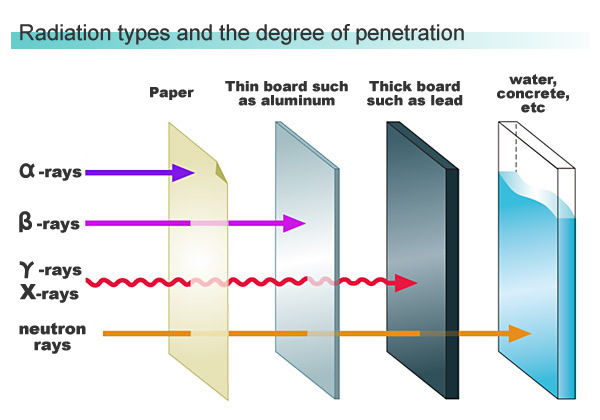
For a neutron bomb you need high hydrogen content materials like water, especially with a dash of boric acid, and lots of it, as the gamma shielding undermines it with its high atomic number whereas you want low atomic number for neutrons. Water is cheap but needs sealing well to survive a blast.

Bunker manufacturers should be able to arrange the waterproofing, blast valves, renewable energy, plumbing, sanitaryware, water ventilation and generation, although you may want to go further with firefighting, medicine, comms, waste disposal, water filtration and geothermal well. The bunker can of course be your food and water storage.

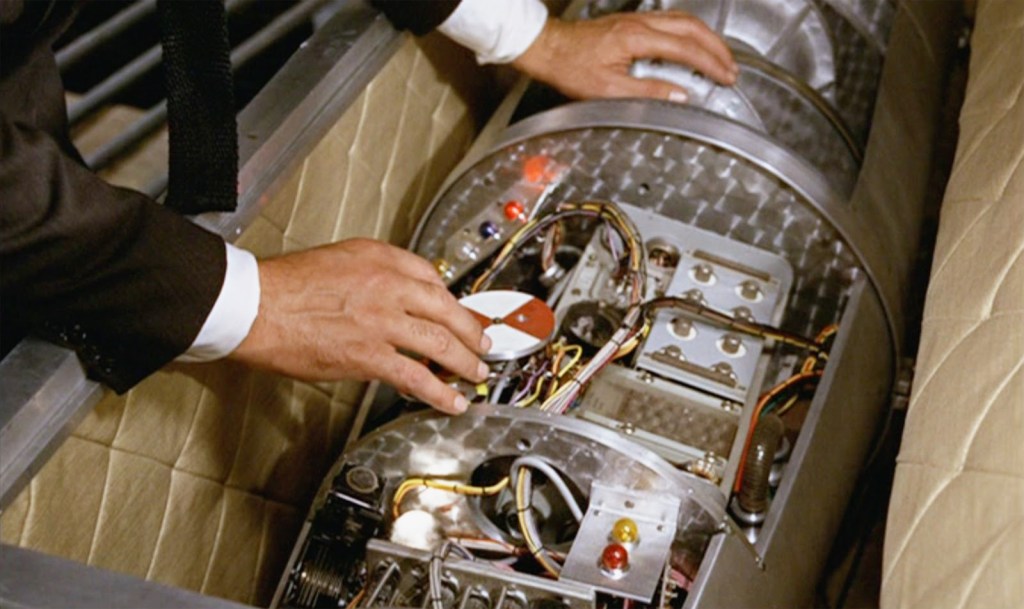
But you could make space for your stolen wealth, tech and doomsday weapons: a strongroom for Fort Knox bullion, African blood diamonds and boobytrapped cash, an EMP shielded room for monopoly microchip tech, Russian encryption machines and GPS encoders, another for earthquake bombs, nukes, secret solar tech and targeting systems, a museum for Soviet objects d’art, and a hangar annex for stolen EMP proof helicopters, spaceships and plutonium, plus the obligatory cruise missile and shuttle silos.




Be careful who you hire as bunker consultant, many have no company or comprehensive website and want paying up front, and some have gone bust after boasting in the press about being inundated with calls. Don’t tell them about the self destruct system for ninja invasions. Compartmentalise. Permanently.
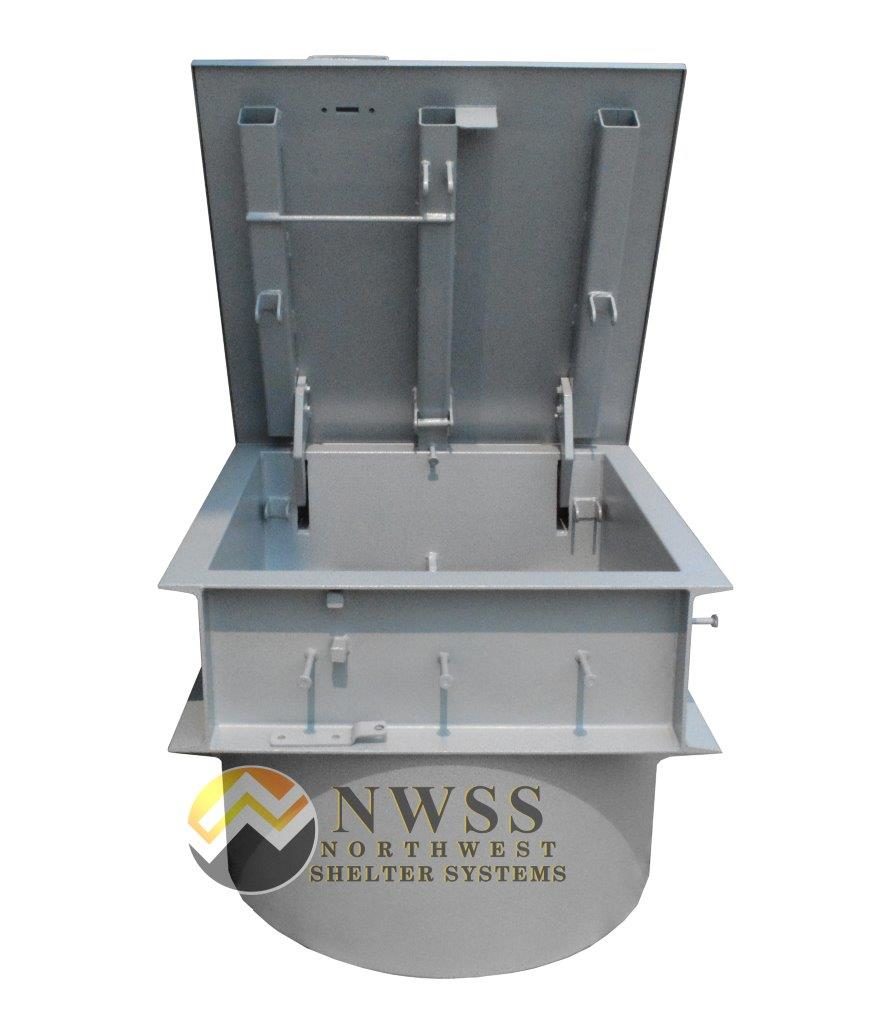
The door will be a blast door, duplicated for the escape tunnel which can be protected by an escape hatch such as the rifle resistant SD-STD-01.01 FEBR60 covert hatch from Harden or Steelway Brickhouse Modified Defender NPSA hatch. The door can often also have a ballistic rating and could be commissioned to approximate a forced entry standard, otherwise you’ll use an airlock with a separate security door inside or you’ll commission a military size multi threat door – but that won’t be so fast to open in a crisis. A customised door is likely if you also need a door for shielding, although there are radiation doors that can go behind the blast door such as from Abloy, but that only boasts 1.6mm lead so will add little to the shielding available from a beefy security door in front of it. At least one manufacturer can make Bond villain doors and that’s Booth – who make specialist doors for spies and armies. An example of their doors for a nuclear facility cost £300,000 each, weighed ten tons and took 1,500 hours each to make. They can even make the hangar doors for your getaway helicopter. Sommer do a forced entry, blast, ballistic, gas, water & radiation bunker door, the OST Barrier.


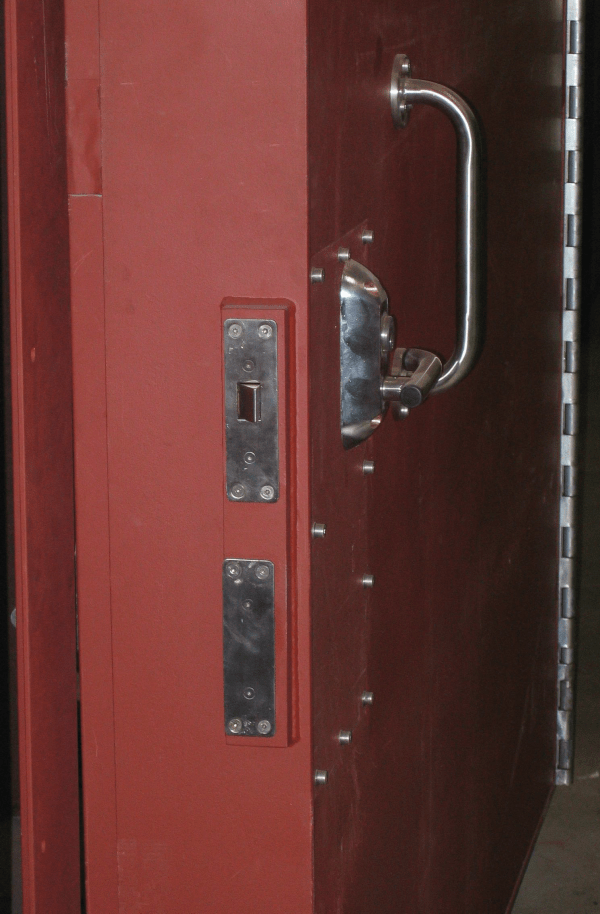


Keep vegetation at least ten feet away to avoid chemical weapons sticking.
Perimeter
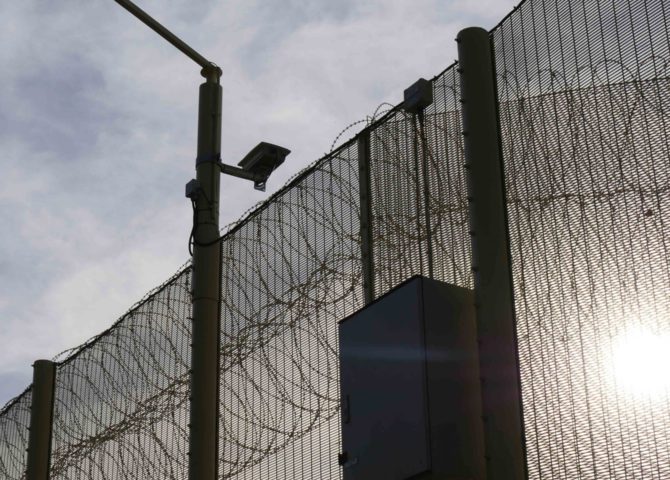
Control a lit, alarmed, videoed and guarded area out to a fence, with sensors going beyond it into a clear zone. Keep foliage away from fences. Keep plants under 1m tall and tree crowns over 1m from ground to prevent hiding.
Lay a perimeter road inside the fence for inspections. Funnel vehicles through barriers to a car park with 100m standoff from the building with only your own vehicles allowed onwards to the house.
Consider a guardhouse for Oddjob and his team, such as from Salzer. Deploy guards in pairs at random times, surveillance bots, drones and dogs, with guards focussed near the house to keep the circumference manageable.

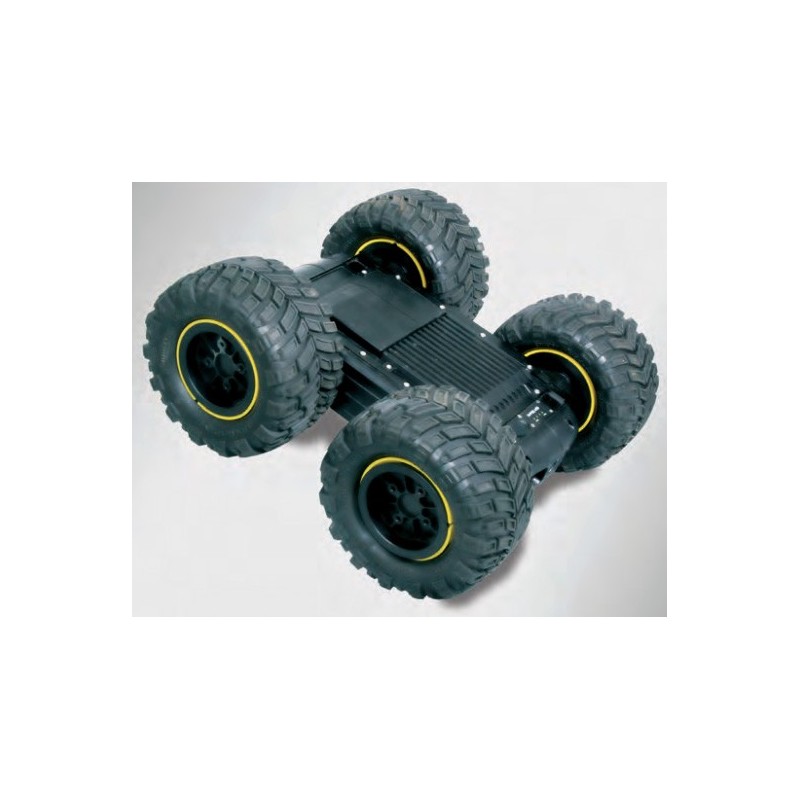
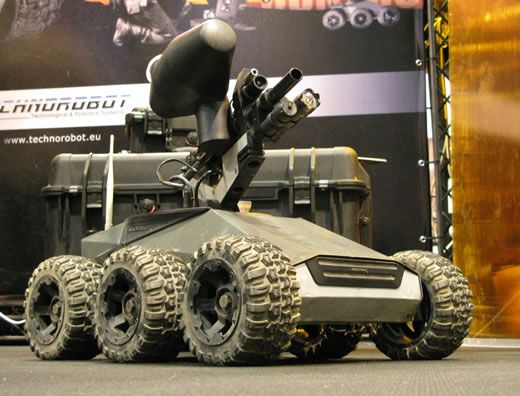
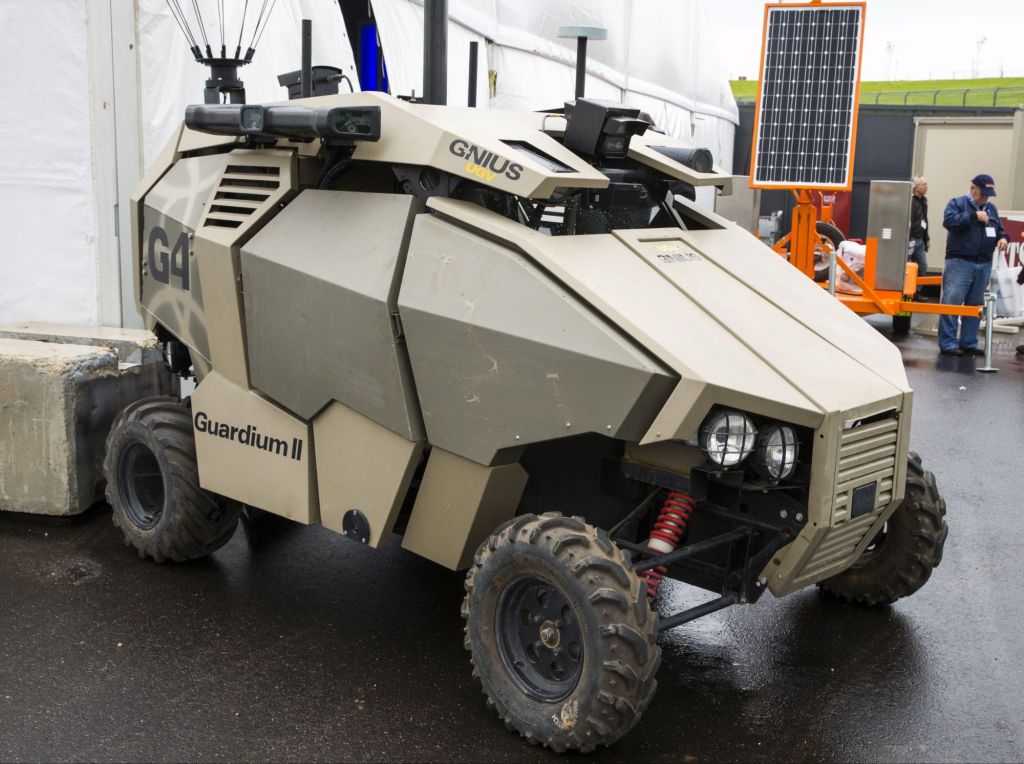
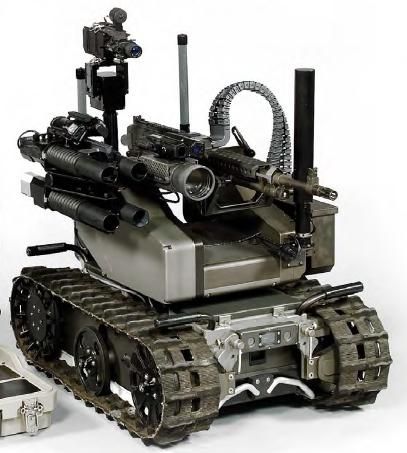
You might also deploy diversions, explosives and ambushes. For example, German SIDAG Houseguard tear gas area denial canister, Beit Alfa Technologies Water Restraint System which uses water or pepper spray to cover a yard, Hubei Handan Mechatronics warning mine (they also secretly make tear gas drones) and Etienne Lacrois Sphinx area denial remote tear gas grenade launcher. Fit hidden man and vehicle traps for obvious routes. If you have your own Q then perhaps you can build your own robosentry or riotbot to mimic products such as Gnius Guardium, Qinetiq MAARS and Talon tactical robots, Inspectorbot Megahurtz or Technological & Robotics Systems Riotbot.
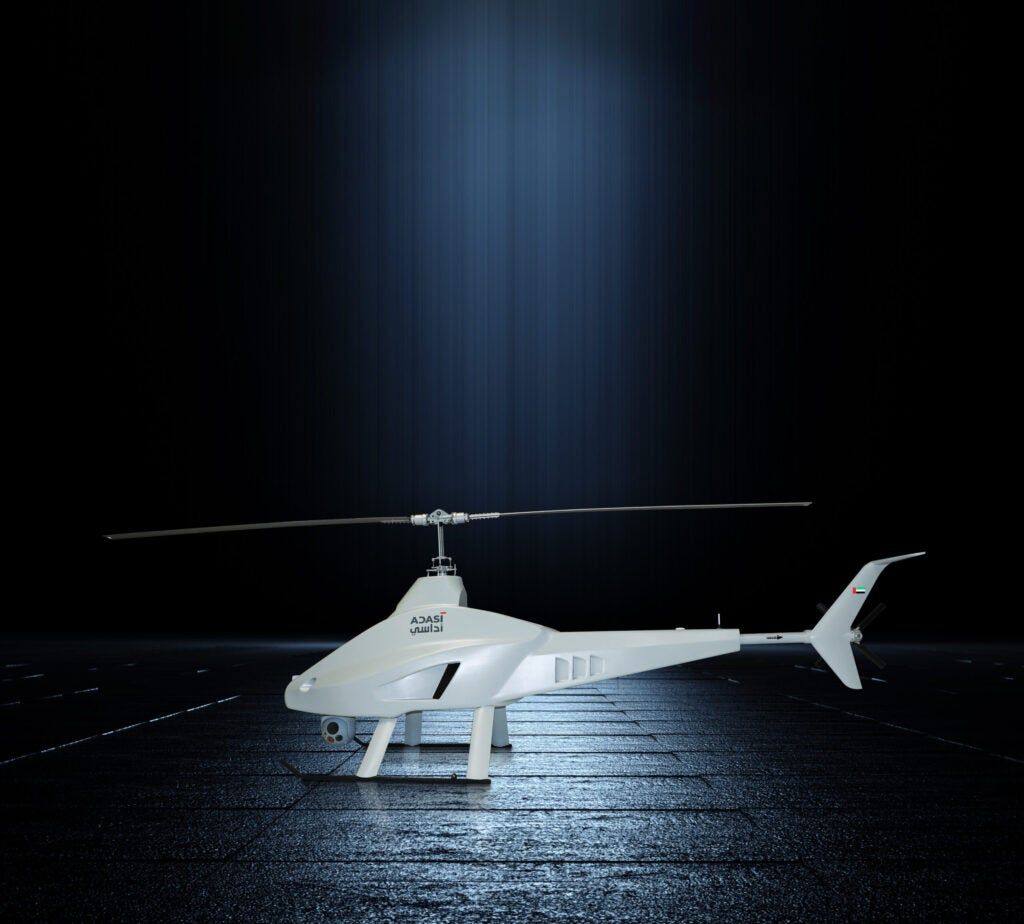
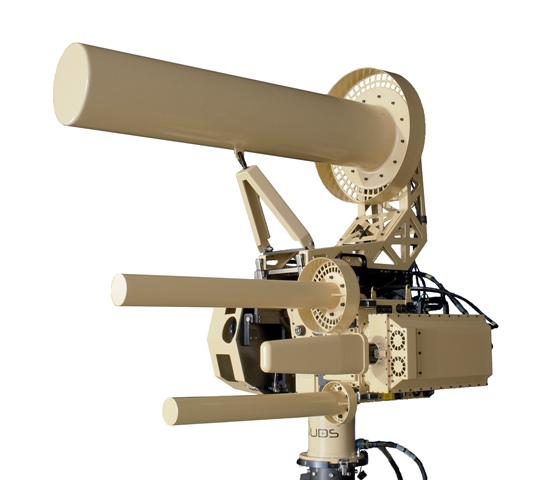
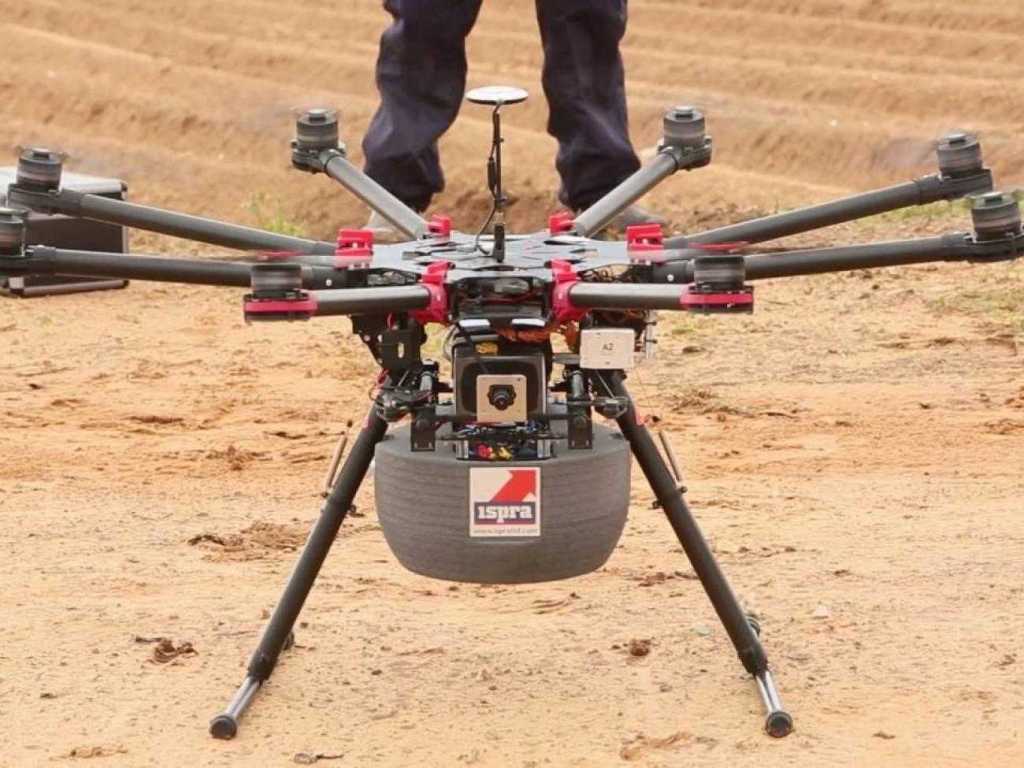
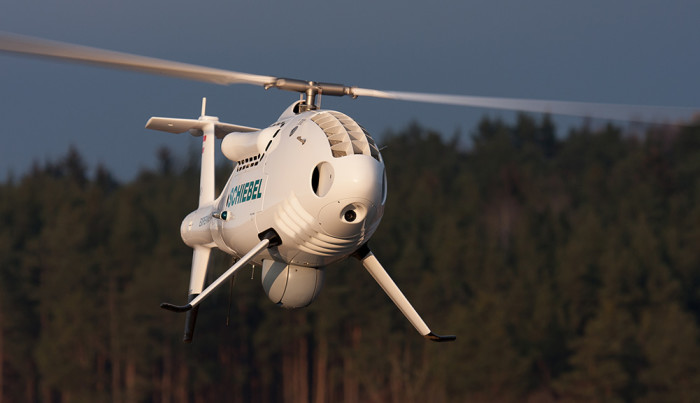
Commission a counter UAV system with detection and effectors in case Her Majesty’s Service tries to fly a bomb into your window, and of course maintain your own drone fleet.


Alarm
Commission a perimeter intrusion detection system linking lights to cameras to alarms and run by guards to detect the enemy with microwave, microphones, cable, laser, infrared seismic, pressure, radar and AI. It needs redundancy built in, not just to narrow down an alarm location but to reduce false alarms. So you will try to detect intruders as they approach the fence using effectively an electronic fence of sensors, then at the fence, then after it. You can push detection out further beyond your clear zone or fence using radar such as SpotterRF linked to CCTV with AI, and Vicon VTR 360 degree infrared out to 1km or Chess Dynamics Sigma Leo to 15km.
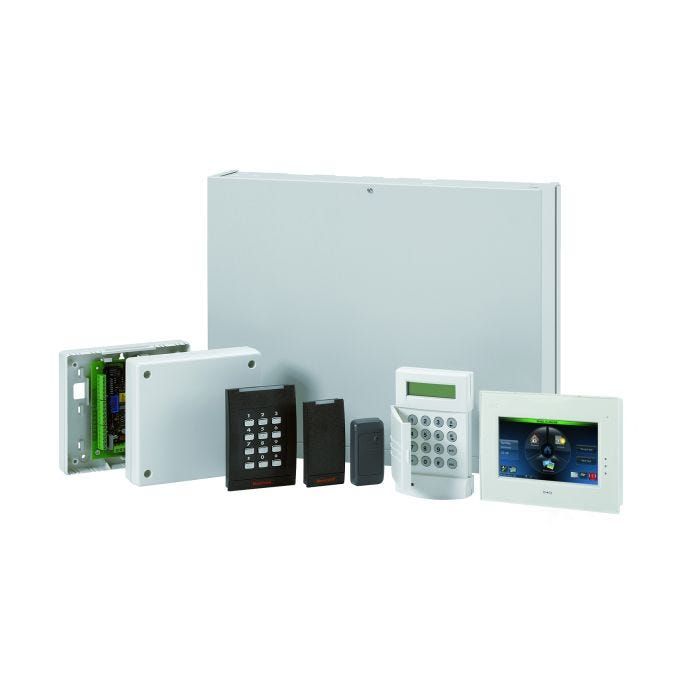
The house alarm is available to security certification but is separate, and you’ll probably assume the house is permanently occupied – although may still want a panic alarm, tamper circuit to discourage sabotage and sensors on the bunker. Alarms need solar or battery backup. You want the highest grade alarm to force the opposing force to increase risk of leaks or discovery by tipping off the manufacturer or bringing more specialists with them carrying multimeters etc. Hide antenna and routers. The system should be to EN51031 for detectors, EN51032 and PD6662 grade 4 with transceivers to LPS1277 for secondary path stepup and checksums and anti-replay. This means high security monitoring, anti tamper and facade penetration detection. Manufacturers include, Honeywell, UTC, Aritech Guardall, Pacom, CSL Emizon, Risco. Remember these could all be interdicted by HMG and even the standard spec may include compromised components.
Signalling must be polled multi path, including ethernet and copper, as radio will be first to go – leaving only concealment and hardening of hard wiring to alert help from afar. Remote guards should be tasked to attend immediately on power loss, unconfirmed activation or lost signal, with no abort or false alarm grace periods. Sensors must all be wired as radio such as fobs and wifi can be spoofed, jammed or deauthorised. Unset can be by PIN pad, which is all that should be accessible away from the control panel. Route power away from signal cables, and in metal trunking. Site the control panel in the saferoom off a fused unswitched spur, add tamper seals and opt out of remote updates. Run your own redundant receiving centre so as not to rely only on an outsider for annunciation. You must choose your notification and reporting options up to SP6 in PD6669 table B and DP4 if buying off the shelf, which is the best at 20 second cut delay and 10 second detection delay, and is encrypted and the least you need, perhaps silent to avoid tipping off the invaders that a kill squad is on on the way. You need to build something at least as secure as the top of the range Redcare signalling, ideally replicating MoD’s AC12M. Unset should ideally be by your own receiving centre; most options are to placate police for false alarms or for consumer convenience.
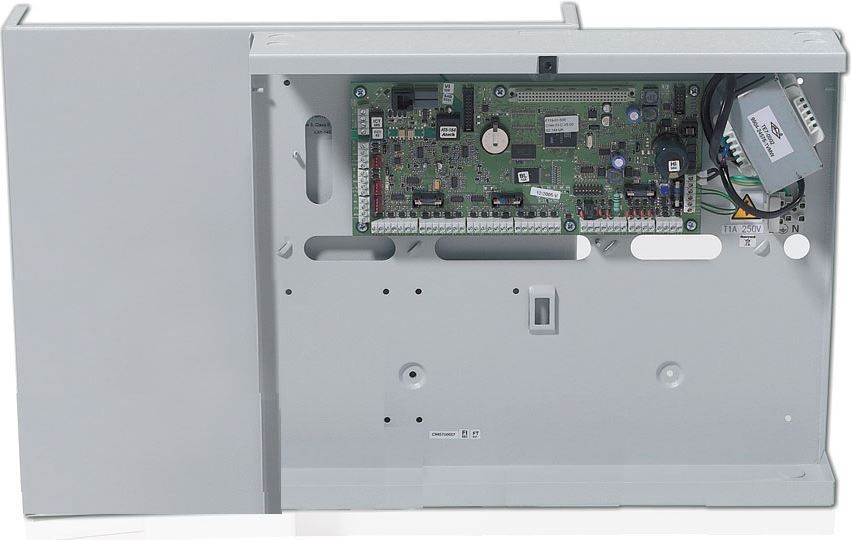
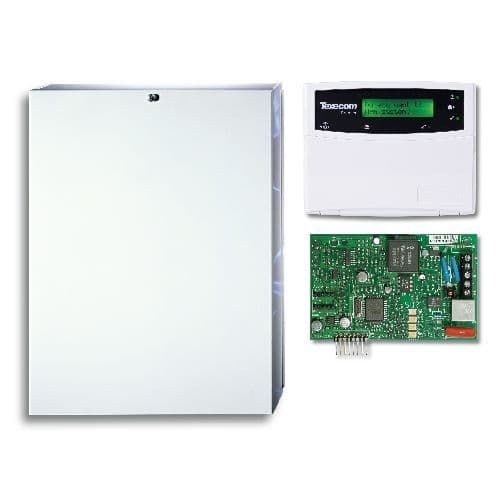
Control panels are available rated NPSA:
- Honeywell Galaxy Dimension C048DH1 to EN50131-3:2009, EN50131-6:2008 & PD6662:2010 (£390)
- Carrier Advisor Advanced ATS1500A-IP-MM-HK (£370) with keypads & Mifare cards available
- Texecom Premier Elite 48 (£230) with keypads available
- Eaton Menvier 1000S


You need sensors, and not many have the highest rating, so you may end up having to just buy the highest grades you can – 3, customised 3 or 4 – or have some custom made like the military via the DIO SSG have to do for HMG, partly as grade 4 isn’t automatically up to NPSA snuff although a few grade 3 sensors are. If you can get the NPSA models they have anti masking and anti reorientation.
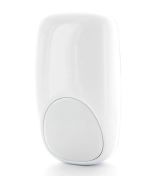
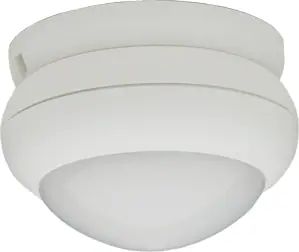
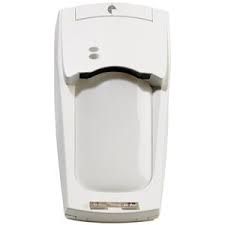
Volumetric sensors are mainly infrared or microwave. Avoid cheap dual techs as they fire in the wrong direction and suppliers may fob you off with AND gates that never trigger. For infrared detectors you ideally want a room layout with various different but stable temperatures in case Bond rocks up in a Fibrotex Nightwalker suit, and guards monitoring frequently to catch intruders moving slower than the pulse count; point them across the likely movement path. Microwave sensors should point towards movement away from windows and pipes, ideally secured by metal furniture to create unpredictable reflections, and can be made in 360 degree versions. Infrared beams using separate transmitters and receivers use processing and encryption to stop prims, spoofing and hacking. Gunshot detection using AND gated acoustics and IR could help cover approaches to a bunker, but can cover a wide area if you spend on lots of detectors to potentially help track marauders in a large estate. They work best without soft materials around. You’ll need to choose a model that doesn’t listen in on you, ideally with heartbeat to prove it’s online.
NPSA rated volumetric sensors include:
- Aritech DD669AM grade 3 dual tech with 20m circle, 18 curtains, glide, under crawl, 4D, anti-tamper & anti-mask.
- Honeywell IS1316A grade 3 PIR with anti-tamper, anti-mask, 60 zones & 18m x 16m range.
- Aritech VE1120AM20 PIR (£60) with anti-tamper, anti-mask, undercrawl, 11 glide curtains & 20m range.
- SDS Shooter Detection uses acoustics and infrared to alarm gunshots within 0.5s. Sensors come in standard electrical socket size and connect by Ethernet. This should display location on a 3D map and bring up the nearest cameras, and could be linked to lockdown doors and trigger ADS such as fog until you disable it on arrival of your response force.
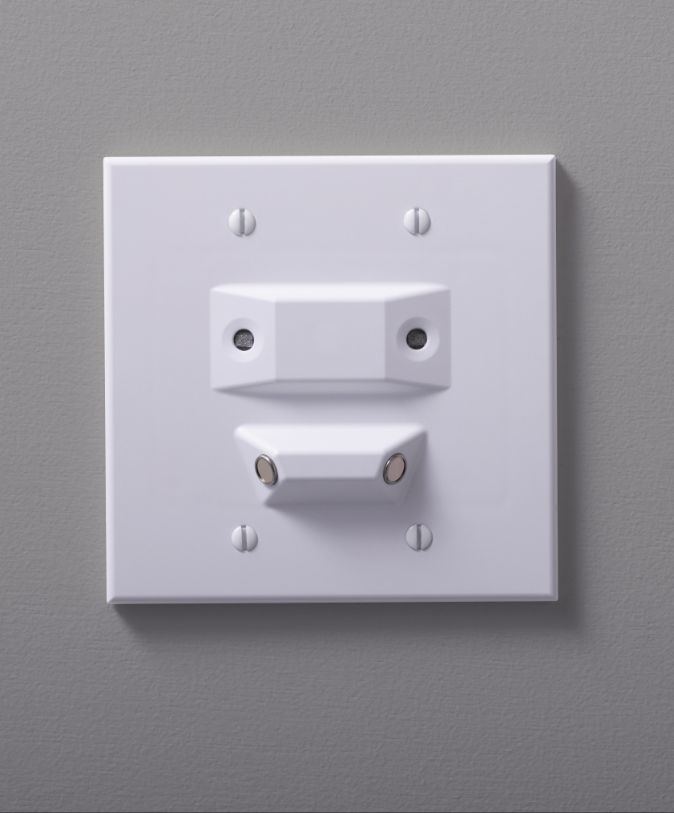
Line sensors include breakglass, seismics and reeds.
- Breakglass detectors are ruled out for security glass. The highest rated model, Aritech GS830 to grade 3 and NPSA can only handle up to 8mm laminated glass.
- However, seismic sensors like UTC WV700, or Burgoguard 9 BG9 for steel reinforcement, can go on walls and especially suit thick bunker walls. NPSA rated models include GE Security VV 700 (£200) and Vanderbilt (Seimens) GM760 (£150-£450). These only cover 3 to 5m radius, although other models claim to extend to up to 13m. Seismics have to be programmed with signatures and tested, and some can have foil added at the rear to sense drilling of the rear plate. Inertia detectors will pick up explosives and cutting.
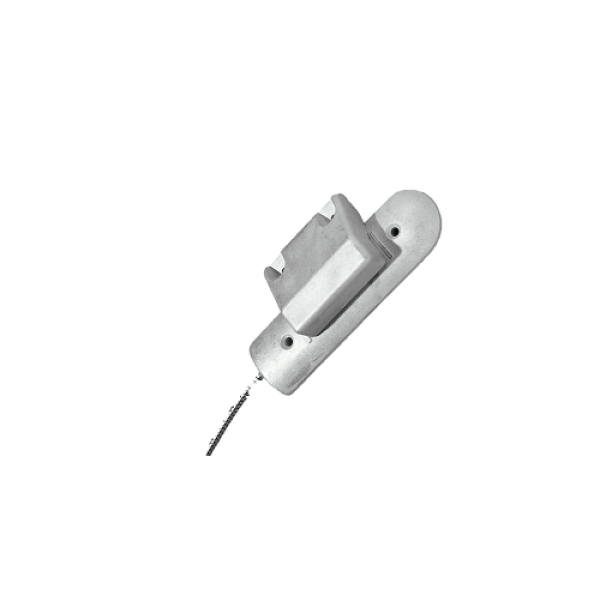
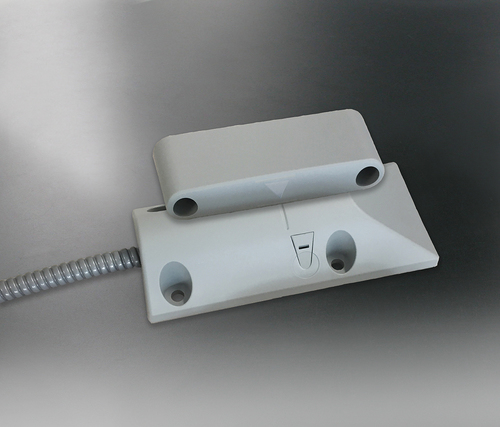
- Reed switches can check doors are closed, like Aritech DC111, Link AMK100 G4 or CQR Security SC517 (£10). Elmdene EN3RSA (£23) is similarly Grade 3 and NPSA rated, but for roller shutters. Reed switches need to be triple biased for maximum security.






CCTV
CCTV should be to BS EN 62676, or BS8418 for detector activation. You want grade 4, which will guarantee grade 4 anti tamper, although some functions may be below the average score that obtained the grade. How much you need the available functions depends how much you rely on CCTV as an alarm. Signal to noise ratio must be over 50db. Frame rate of 9fps should be more than enough. Compression can be reduced when motion is detected to give better playback. Guard attention span will be about 30 minutes so you need event driven screens.
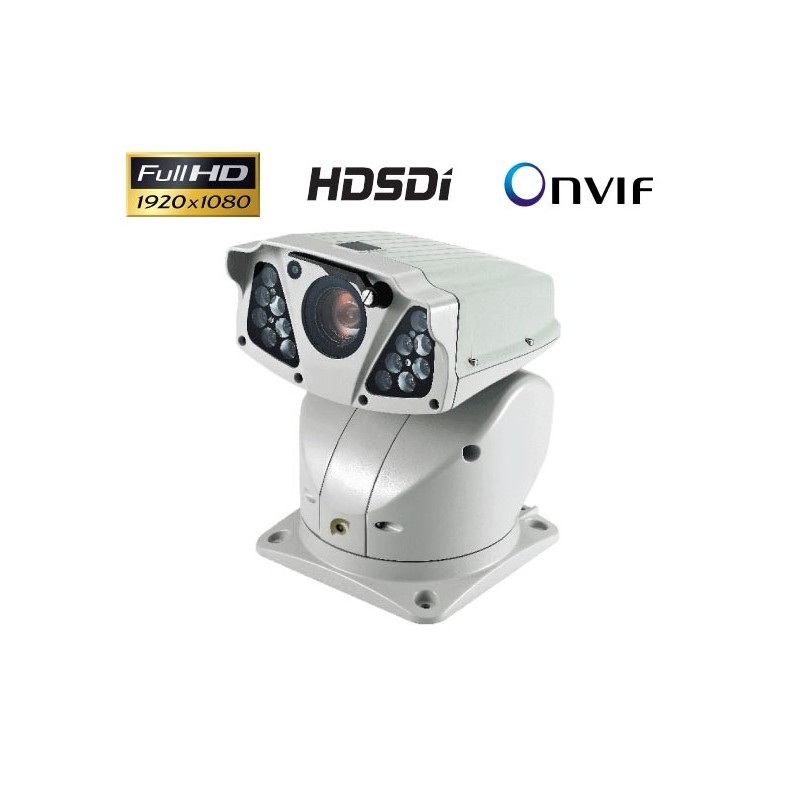
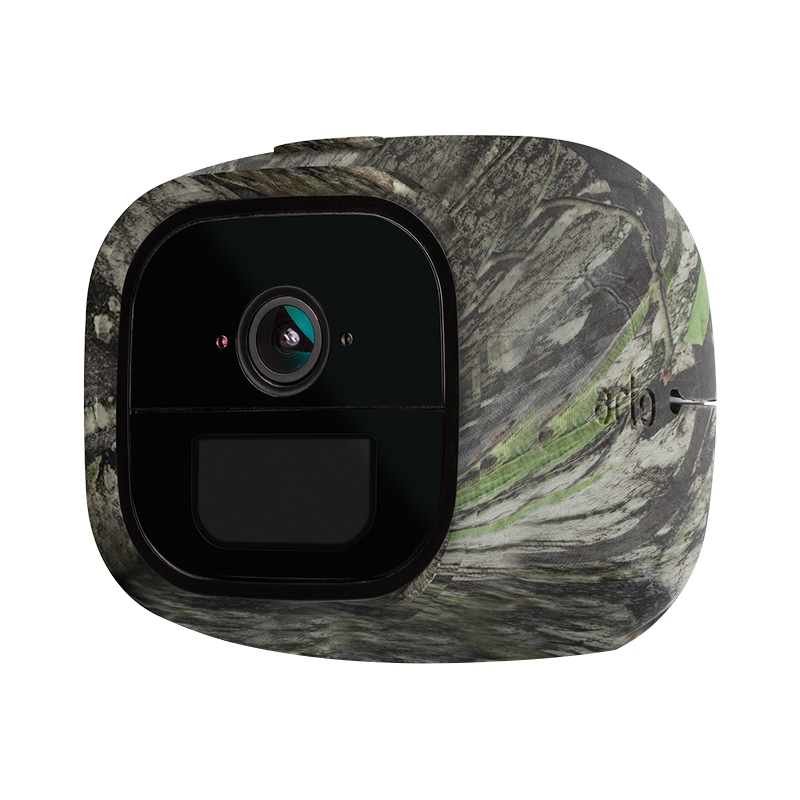
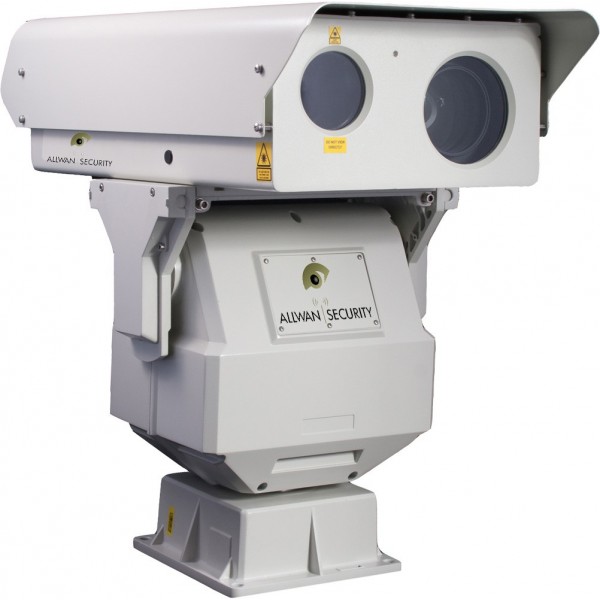
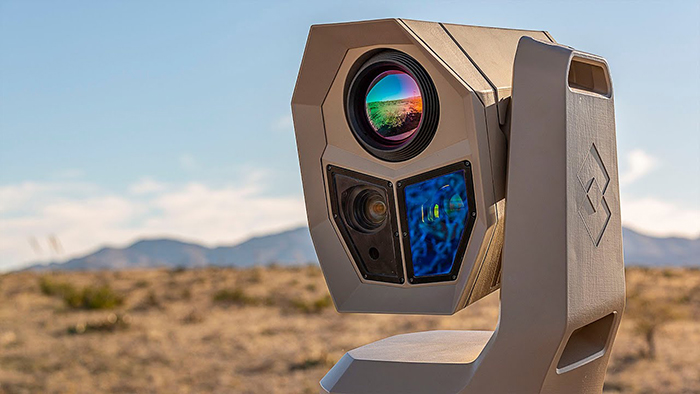
It needs multiple tech including infrared, thermal and zoom to handle different weather outside and dark indoors, and can act as an alarm sensor by detecting scene changes. You want lots of resolution and screens, and backup power, anti-tamper, anti-vandal, weatherproofing (nitrogen dryers, seals and heaters), cameras mounted high out of easy reach, each camera covered by another, and reporting of video loss, masking, change of field of view, view substitution and reduced contrast, and coaxial or fibre instead of wireless, and advice on how to avoid glare. You’ll need to specify it has to run 24h. The higher the resolution, the brighter the lighting you need. Modern analytics easily provide face detection, object classification and tracking and pixel change detection, and the best include NPSA iLIDS rating. Installation involves a soak test for sun’s arc, leaves, animals, smokers and passers-by. Try to point cameras downwards to reduce glare and mount about the height of five men. Ongoing maintenance has to include trimming nature back from cameras.
Avoid sudden changes in brightness in any scene to minimise the number of cameras and screens needed, and to maximise image quality. Cameras need at least 15 lux lighting, 30 lux for dark or light absorbing surfaces, and lamps should be ten feet higher than cameras. Pay once for lights, avoid paying twice for low light cameras. Automatic irises may let you maximise depth of field whilst minimising blur. Make the best of light by combining small apertures, low f-stop and high lens transmittance. You may want a recording facility to go back and check for skullduggery. When using analytics or AI to detect intruders, a scene at least 20 times taller than a person is OK, whereas recognising people at the building line needs to focus in more on a scene more like two or three times the height of a person; 4K cameras let you push this to reduce number of cameras and thus screens. As all the time is wartime for you, any person in the wrong place is a target, so you don’t need to zoom in everywhere all at once, one camera can cover a lot of ground. Any pinch points where intruders could impersonate their way in need cameras with a narrower field of view, and you need a few PTZ cameras to allow guards to look around and zoom in on trouble, but consider them as extra, not substitutes as they are compromises in technology. Go for standards like BS EN 50132 and NPSA.
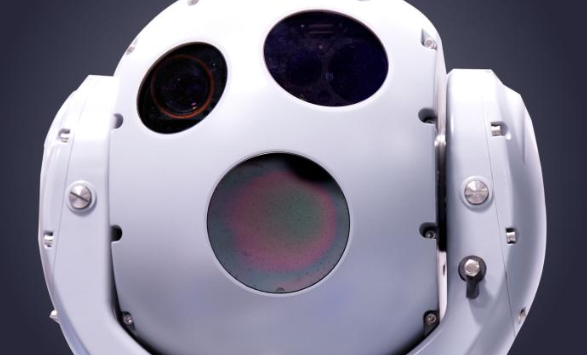
Top end products like Business Insight’s Daview let you cover long range, stabilise images and follow suspects automatically. You’ll need to program the system for what you expect intruders to do, and with large grounds they have space to do anything from loitering to running. A specialist can advise on handling vehicles, weather, wildlife and foliage, and matching sensor size and mounting height to coverage. Analytics can, for example, set ground zones and trip wires. Or consider SCIMON analytics. You can have an integrated alarm and camera management system. No criminal mastermind’s HQ is complete without a nitrogen cooled Beechwood Tacflir 230 infrared camera and Hensoldt Nightowl teamed with their Spexer 360 radar to cover the grounds, allied with Sapient modular autonomous sensors like Qinetic PTZ cams, Aptcore radar, Createc Slate laser and Cubica fusion processing. It can be expanded to track vehicle, planes and comms, so perfect for that global domination HQ with its own hangar and armed forces.
You will of course add a roof of sharpshooters with spotting scopes, night vison and thermal cameras, such as from Leonardo, and loudspeakers hidden around the grounds for audio challenge backed up by automatic switching of nearby lights and cameras.






Lighting
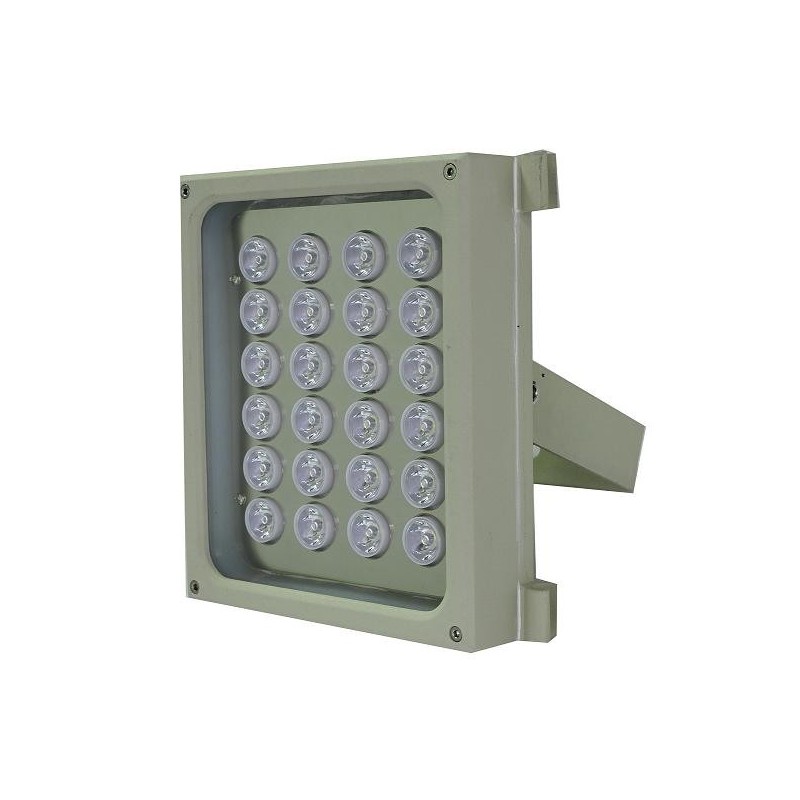
Lighting is broadly to dazzle intruders whilst trying to watch you and to let you watch them. Fit glare lamps 5′ up 20′ feet apart blasting out to the perimeter. Add PIR lamps near anywhere sensitive. Paint walls with light to allow guards to pick out unsavoury secret agents. Keep lights away from guardhouses and guards but aim plenty at paths intruders will be tempted to cross. Lighting should be an alarm tamper circuit and have backup power and be set to all come on if power is cut. Switches and cables should be armoured. Sensors can be spoofed so you probably want redundancy of control via switches and timers. Aim for 3 (30 times a full moon) to 20 lux (streetlights) illuminance and colour rendering of over Ra60 for surveillance. You’ll need extra lights for foliage as it’s such a light absorber.
Gates
The strongest padlocks for gates etc are the Squire M2ARX to SR3 or SS100CS to SR4. Your fence manufacturer can make gates to go in it. If you have passages through walls, so can’t be climbed, then it might be worth having gates at the house.
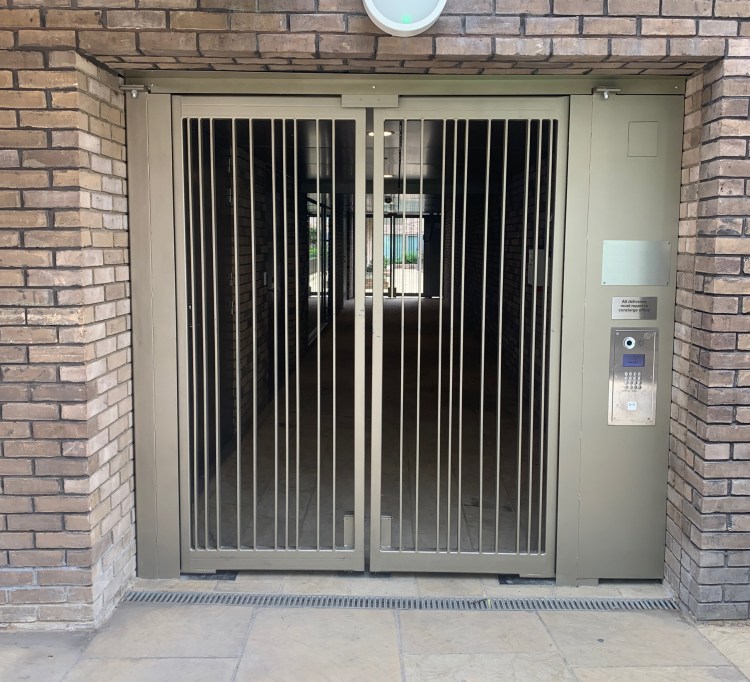

If you can have a lot of coming and goings in and out grounds you could use an access control system that relies on a weaker electronic lock under supervision of guards whilst not on lockdown. This involves readers/keypads, programmer, controller, potentially also a cipherbox, and Mifare Desfire AES encrypted cards. NPSA rated readers include:
- Deister PRD5/3 Reader or KPD5/3 KeyPad Reader
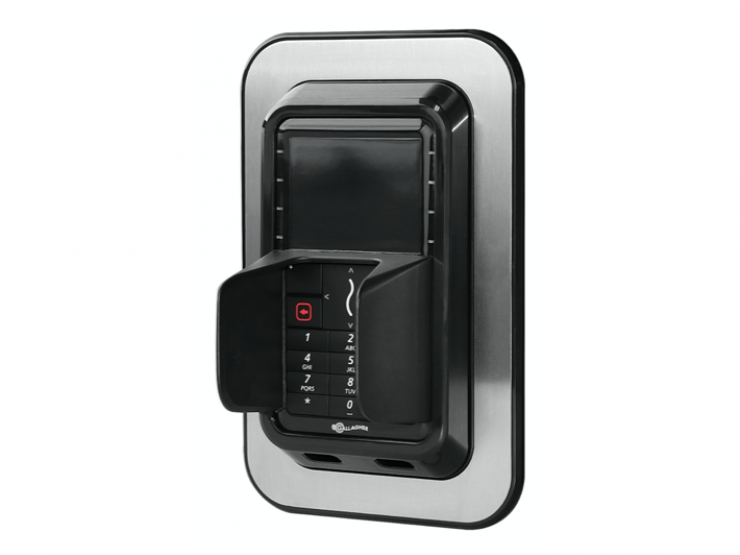
- Gallagher T20 Mifare High Security Terminal
- Aditech IrisAccess 7000 with iCam4100 enrollment camera & ICU4000 controller


Fences
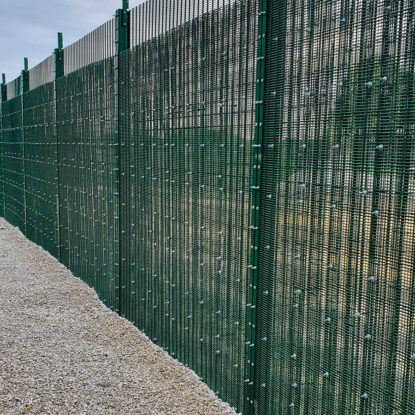
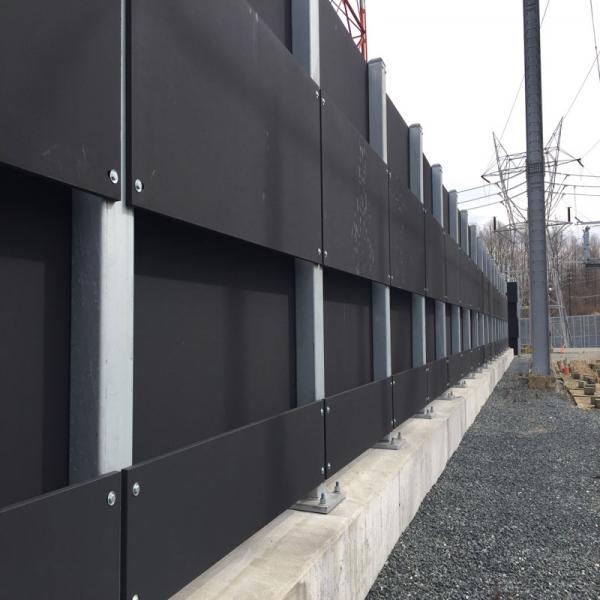
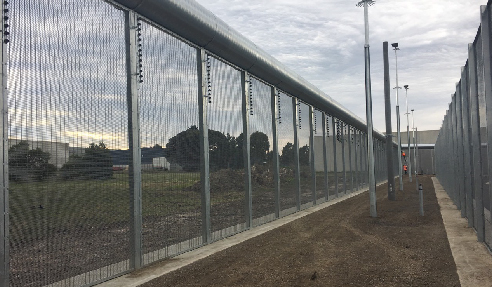
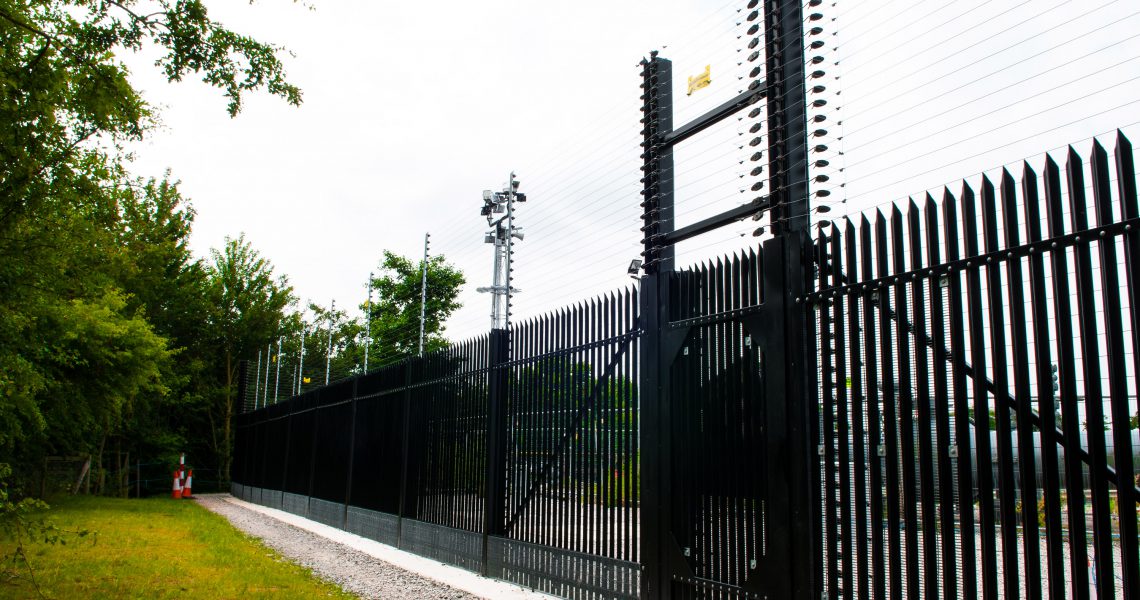
Fences are to give you something like a minute of reaction time, mark the boundary (so intruders can’t complain about being fed to alligators), attach sensors to, contain guard dogs, deter attackers worried about getting trapped, and funnel attackers into a kill zone at gates. They can even act as one of your RPG pre-detonation screens in combination with reinforced concrete wall around the compound. Bear in mind military will have telescopic, carbon or pneumatic ladders. Decide whether you want anti burrowing, anti ram and to see through it. You typically sink fences into concrete foundations. Avoid sharp turns as they can be bridged, similarly keep them 10′ from buildings as they can be used to reach upstairs and likewise for lampposts near fences. If you’ve given up pretending it’s not an obvious site of interest then you can go ahead and add a 30′ wide no mans land between two fences. Most security rated fences are simply the equivalent of better JSP440 class 3 fences than NATO chain link with barbed wire, ie at least 8′ high weldmesh with topper or 8′ palisade plus an electric fence, but you can hit class 4 if looks don’t matter. To do this you can upgrade to a ballistic ASTM F2781-15 grade A with anti ram concrete sill. Firms like Barker and Betafence are your best bet for that, but it’s a lot easier to find one rated grade M for battery tools than grade A for pneumatic drills, and ultimately you need guards to stop ladders. To take it to NPSA rating you’ll need, among other requirements, to boost height to 13′.

Fence toppers can be electric, spikes, razor blades or rollers, but aren’t necessary for security ratings and can be cut or climbed with ladder hooks or Tac Flaps by professionals and draw attention. The priority is alarming the fence so you know it’s being attacked – not making it impossible to attack. Not having early warning is a licence to be killed.



Hostile vehicles
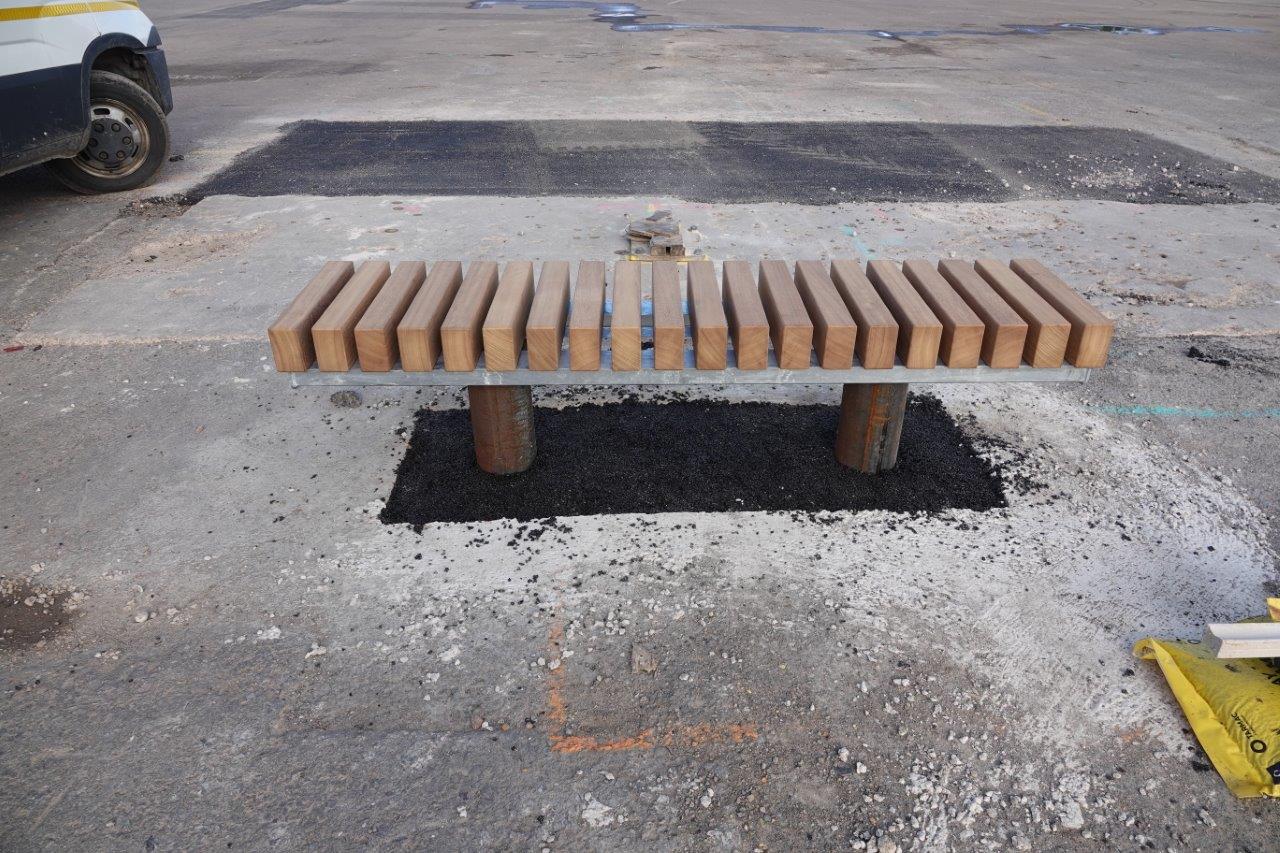
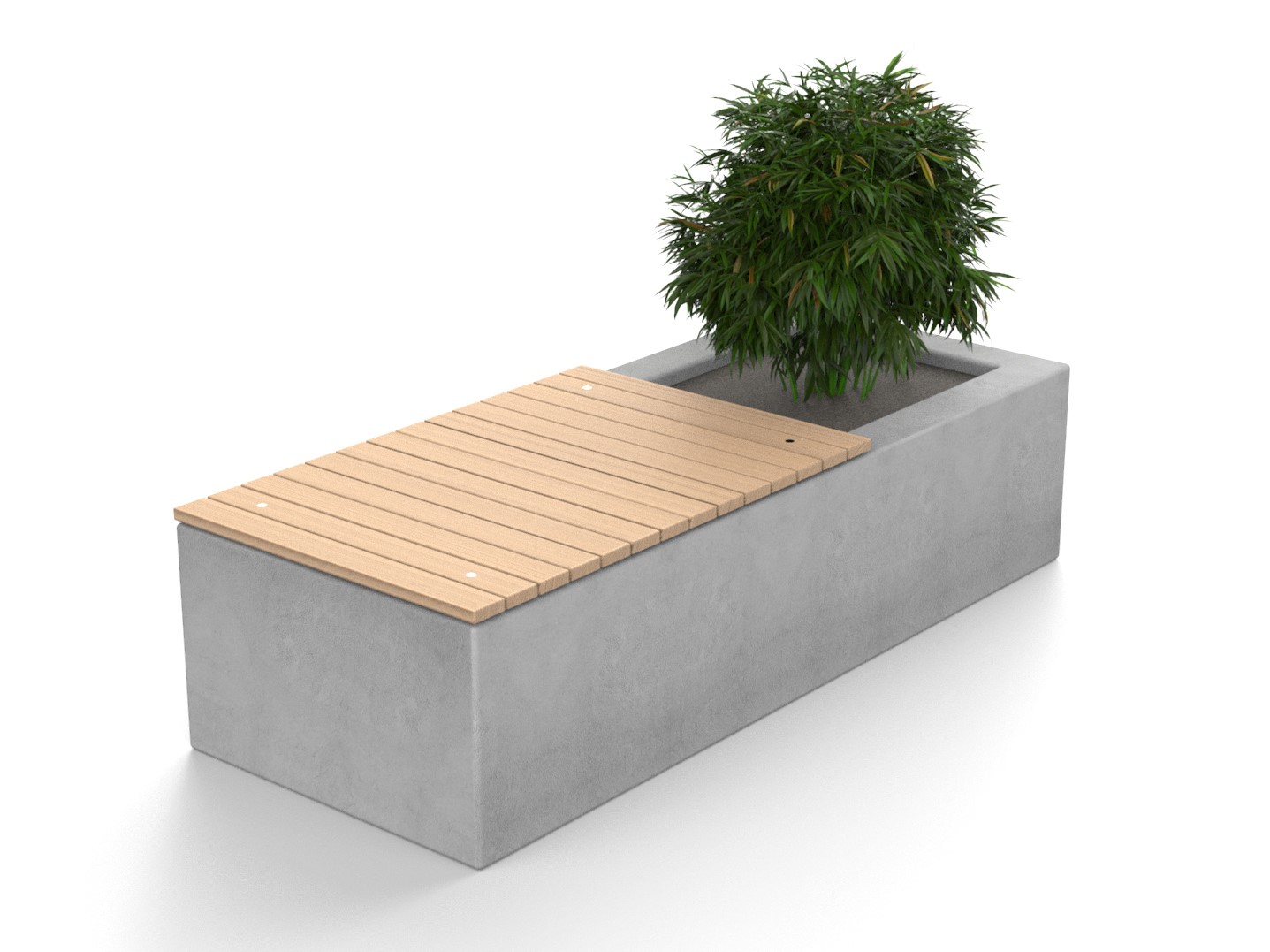
On the road to and from the fence you’ll hostile vehicle mitigation. Choose PAS68 N3 50mph standard to handle 30 ton lorries, or it’s IWA14 equivalent as you don’t need a debris rating far from the house. In the UK the strongest model is Heald Commander. Encase controls in security cabinet like Morgan Marine Gladiator SAF bearing in mind manufacturers may try to fob you off with their own SR2 cabinet. Ideally ensure the approach road is a tight turn with a steep camber and friction coefficient below 0.6 to throw speeding vehicles into a ditch or at least force the vehicle to hit at a shallow angle. You can fit tyre shredder strips across the road for when you notice speeding vehicles heading your way. The barrier installer will want to do a soil test as some of the strength comes from soil cohesiveness. Ideally build ditches and berms to take out military vehicles such as tanks and moon buggies or flamethrower tractors in revenge for Crab Key, then follow up with gates and rising barriers. Frontier Pitts can sort gates up to SR2 and 7.2t 50mph, which is OK if guards stop attackers using tools and you slow the approach to cope with heavier vehicles. Jackson’s Linebacker fence disguises aircraft arrester cables in a picket fence, but this needs guarding against attackers jumping out with battery hydraulic cable cutters. Although you can buy furniture like timber clad blocks with LED lights and planters and benches, such as Townscape and Rhinoguard Distrikt, they are often too tall not to interrupt surveillance. Lampposts and bollard lamps are more acceptable.



Active defence
If the natives become restless, or Bond comes for you, it’s time to go dynamic with gadgets. An array of lethal and less than lethal weapons and deterrents will hopefully slow down and decimate the enemy’s will and capability before they make it to your inner passive defences. You will of course have bought off most locals with jobs and infrastructure, turning them into ready made spies and soldiers.
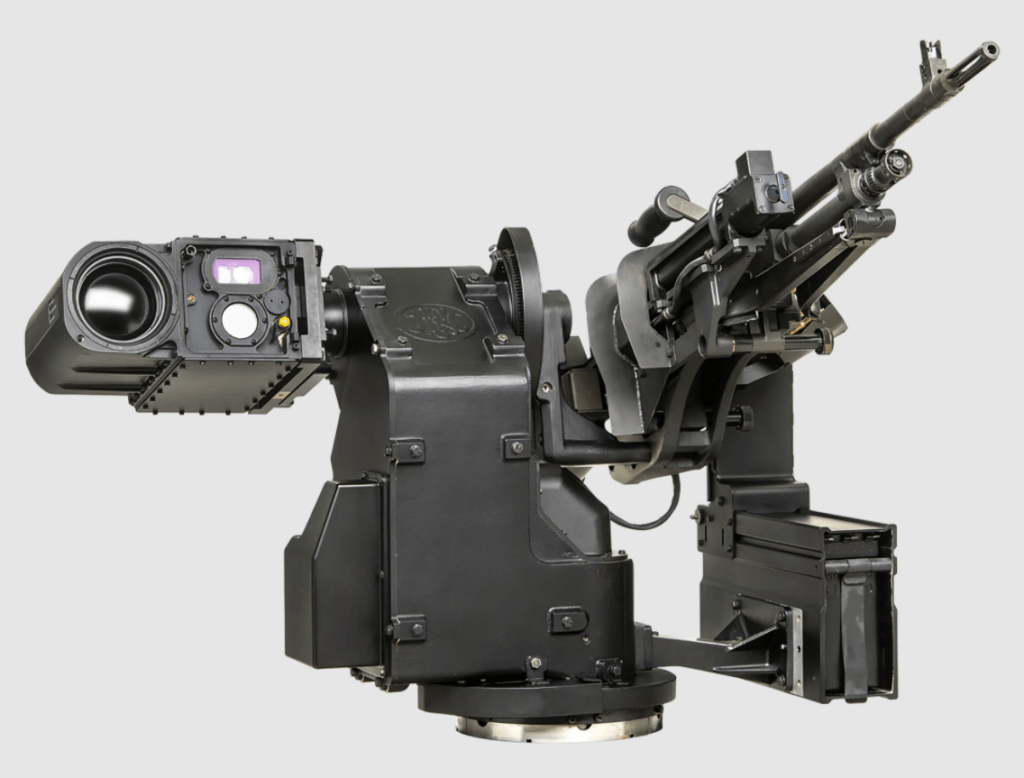
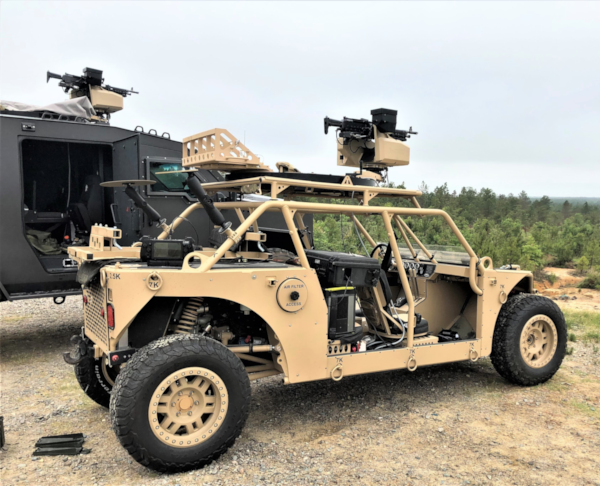
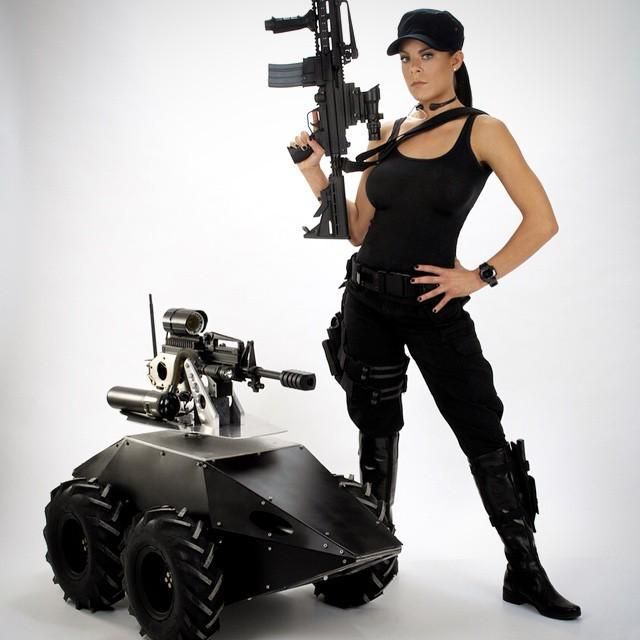
Start with options for flash bangs, acoustics, dazzlers and malodorants. And, for when you need to go the full Law Abiding Citizen, add provision for remote guns mounted in trees and on the roof, and on craft for sea, land and air with boats, drones, robots and armoured vehicles.





 Limey Prepper - UK Preppers Handbook