Awareness
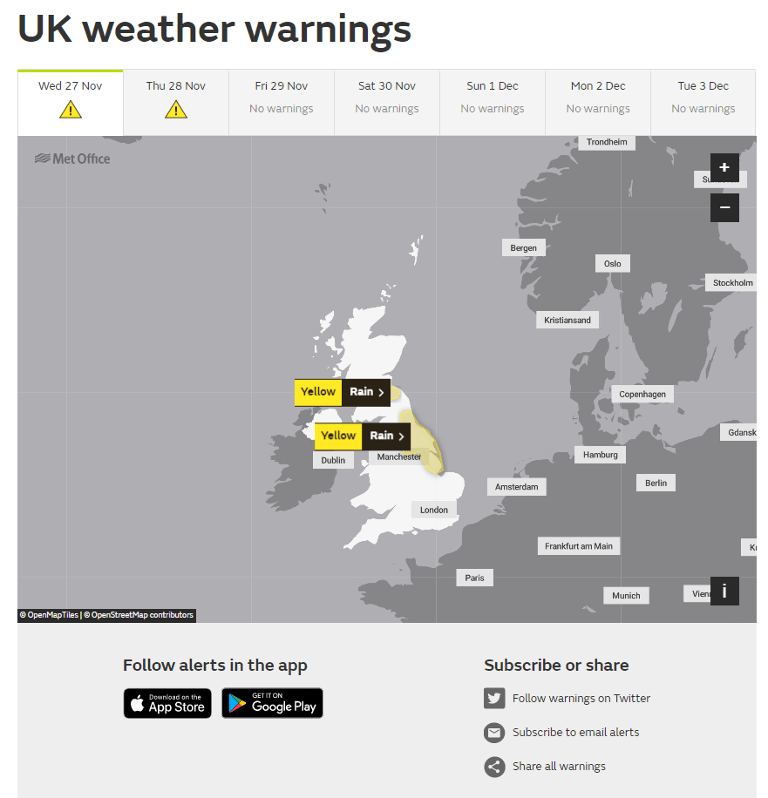
- Register for weather and flood alerts. The good news is you should get warning of weather disasters.
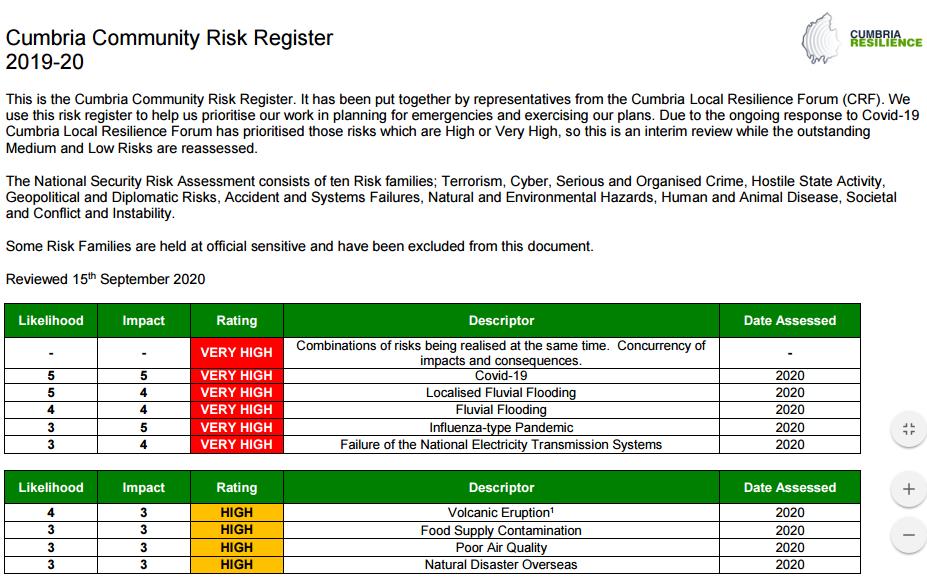
- Plan-in your council’s community risk register.
Prepare
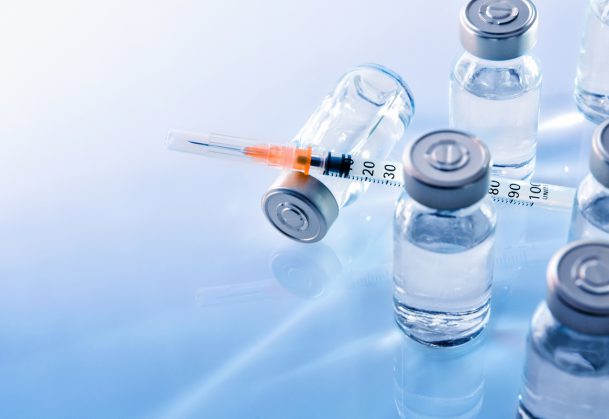
- Get vaccinations.
- Store key documents together to grab.
- Get insured.
- Protect your computers.
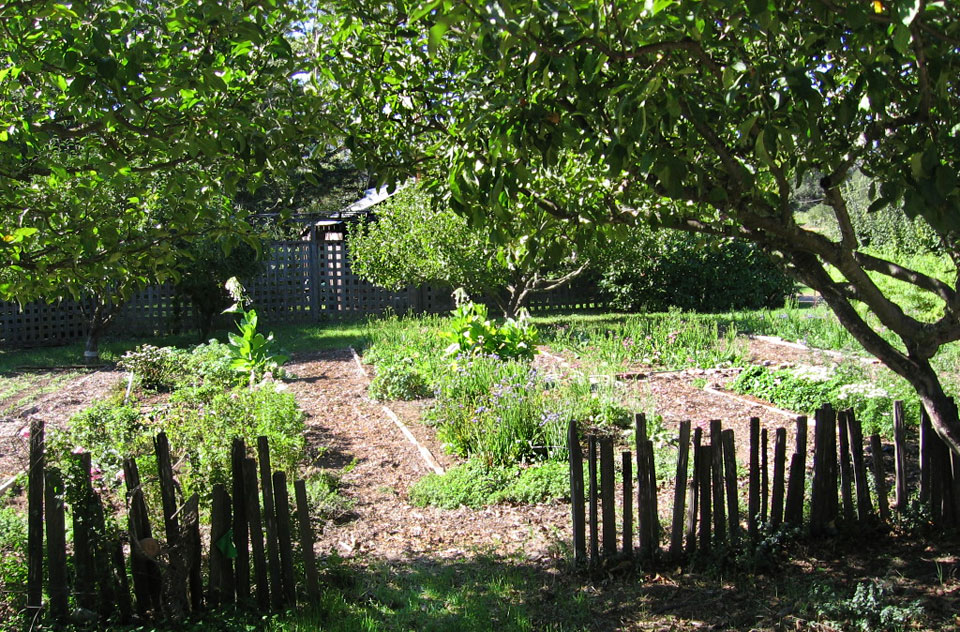
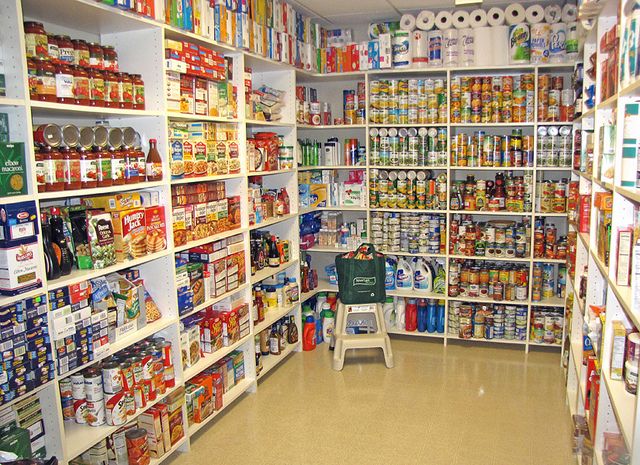
- Keep supplies at home.
- Have backup childcare.
- Have plans to workaround your workplace, transport, home, utilities, data or health being lost or you being contaminated or under terror attack.




Training
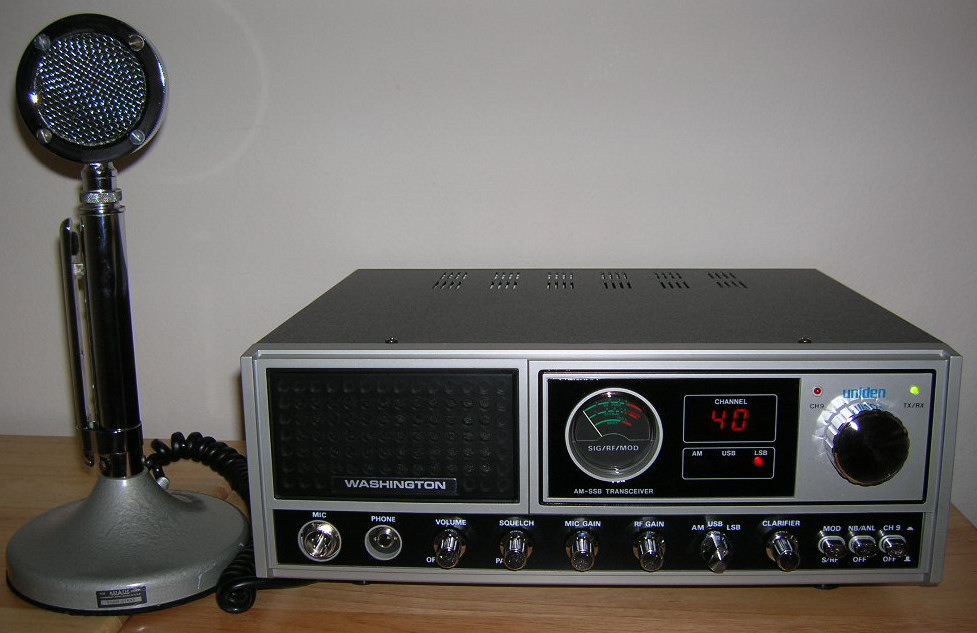
- In a disaster you will be your own services, so learn first aid, crafts, DIY, water purification, self defence, CB radio, bushcraft, firefighting, livestock and agriculture.





Respond
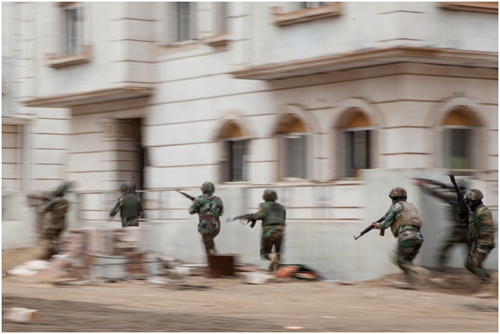
- In a terror attack government advises run hide tell. In USA advice is sometimes to fight and take cover.

- If you are not getting home or bugging out then government advises get in, stay in, tune in.

Risks
What do we really fear?
The twist for survivalists is that adventurers are more likely to die of being an adventurer than others are to die of not having their survival skills, as adventurers lack one key survival skill – not taking risks.
For adventurers who also survivalists, they do not just want to avoid dying, they want to avoid not living, so it is not purely a case of ‘do not die’, it is ‘do not die of a dishonourable cause’.
It is remarkably similar for preppers, who, in America anyway, often have extensive waistlines and a penchant for booze and guns. They apparently are equally not set on not dying, they just do not want to die at someone else’s hand or by the hand of fate.
Personal risks
Fatal risks
Starting with what can kill you, in the UK you have a five in six chance of dying of old age via an unavoidable illness. So there is no point dwelling on that, although it is good news as you are unlikely to die of something you could have done anything about, meaning obsessing over health and safety can only take you so far. Guarding your health and safety really just tampers with the barrel in life’s game of Russian roulette, as that is the same chance of dying from health misadventure (accident, suicide, disease) – you are just improving the odds slightly, motivated by the feeling that a one in six chance of dying early at any age is still a bit of a rum do.
Assuming the chamber of chance spins against you, you will be the one in six people who die of an avoidable cause such as accident, suicide, heart disease, lung cancer, COPD, cerebrovascular disease or alcohol.
- Men lose on average 7%, and women 4%, of their lifespan to avoidable causes.
- Eventually dementia becomes the biggest killer of women and heart disease of men, but only because they live so long, and if you live healthily to avoid that then something else will get you later, probably dementia.
- If your child under 5 dies it will most likely be a deformity you could do nothing about.
- If your child over 5 dies it will most likely be suicide, so that is something to prep to avoid.
- Adults in your family are most likely to die of suicide (especially young men), cancer, heart disease or dementia.
- Statistically you are way more likely to die of having too much food than running out. Obesity costs 9 years of life and affects 27% of the population.
Non fatal risks
Hopefully, though, you are exercising enough, eating properly, sleeping enough, playing it safe by staying away from poisons, heights, water, guns, transport, salt, sugar, takeaways, alcohol and infections, and avoiding depression. In other words, get exercise and sleep, and avoid dangerous sports, junk food and chemicals. So you survive by avoiding illness, accident or suicide, only to live long enough to maximise your chance of being confronted by unavoidable threats to lifestyle or even life.
Preparing for personal disasters
The UK Preppers Bible mainly covers widespread disasters that extend beyond your household, but they are not the only disasters that can have the same effect on your welfare. Your own personal household disasters can achieve exactly the same result. So let us look at the classic non-fatal but major lifestyle risks: losing your health, job, relationship or home.
Ensure you build up a family that is healthy and wealthy enough to look after each other and replace your home, with insurance, medicines and health knowhow, a backup career perhaps even a backup home. That way, you and/or your family should always have their health, wealth and a roof over their head and thus be able to start over again, in a new relationship if necessary.
Being housebound, penniless, lonely or homeless is not a great place to be prepping, yet it is more likely to happen than what preppers normally prepare for. Due to their relatively high likelihood, they are probably what you should insulate yourself against before you worry about asteroids and riots.
For example:
- Perhaps your extended family could share redundancy of preps by having spare rooms and surplus stashes of supplies.
- Perhaps you can expand your social network so you would always have someone to go to.
- Perhaps you need to build up a rainy day fund.
- Perhaps you should get friendly with any medics you know and train in wilderness medicine.
National risks
- Plan how to cope with:
- antimicrobial resistance (antibiotics don’t work; all you can do is try to avoid infection and antimicrobials),
- cyber attack (see Hacking),
- strikes (ensure you can substitute critical goods and services such as security, fire fighting, medicine or specialist food),
- riots (see Riots),
- terror (ensure you can hide, run, tell, fight, seal yourself off, replace what terrorists sabotage; needs fitness, comms, weapons, preps, building hardening),
- war (treat as terror with emigration risk),
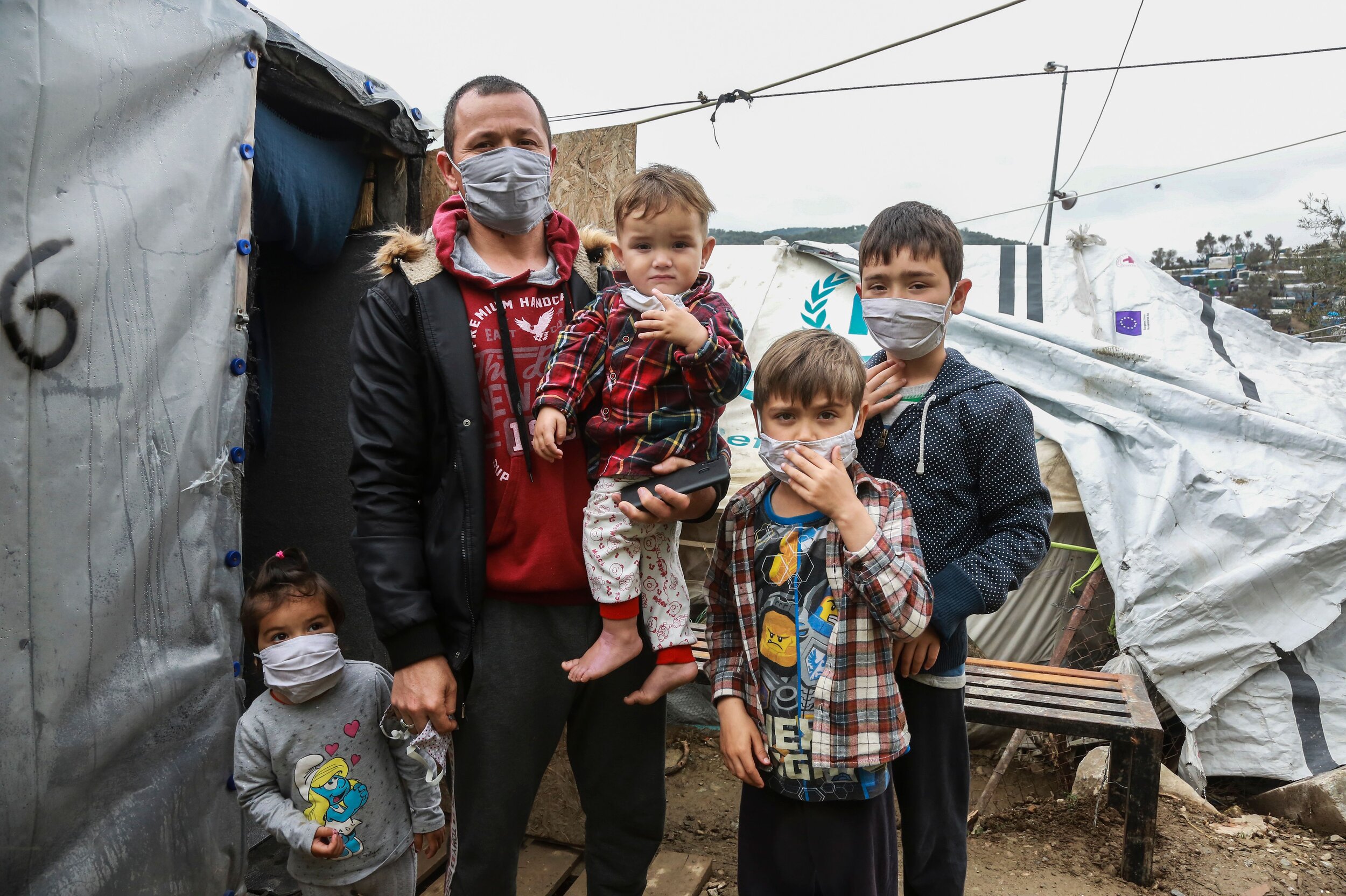
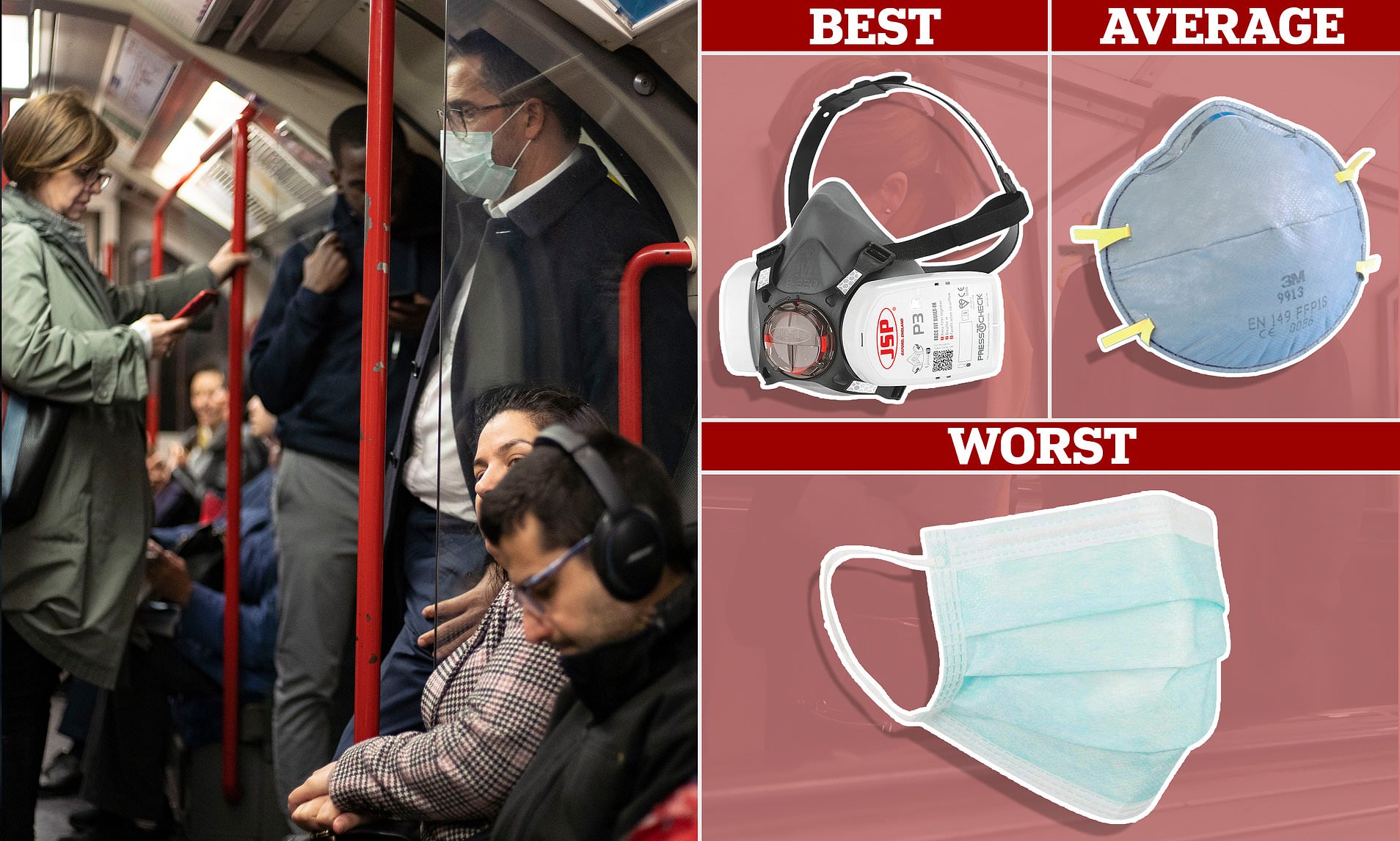
- disease (from refugees or tourists; avoid crowds, use PPE, stockpile medicine),
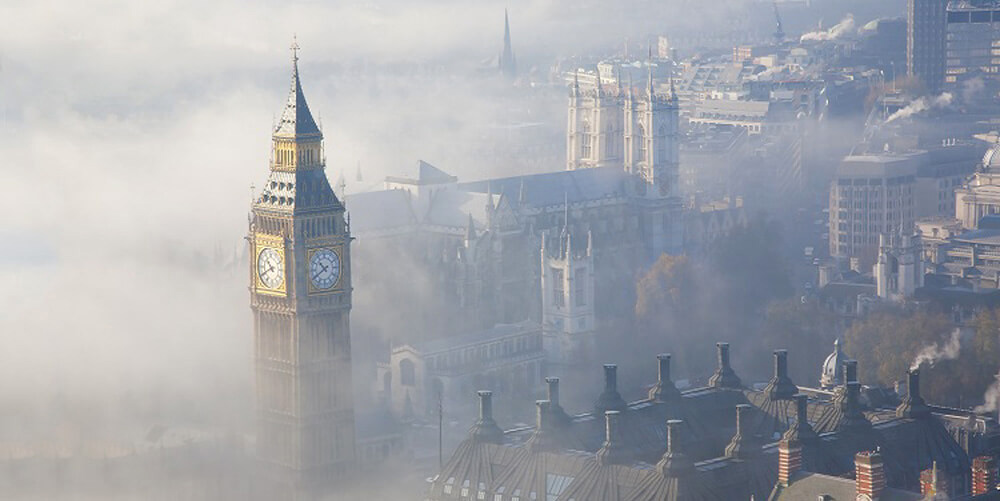
- pollution (smog, chemical leak; use PPE and home filtration & detection),
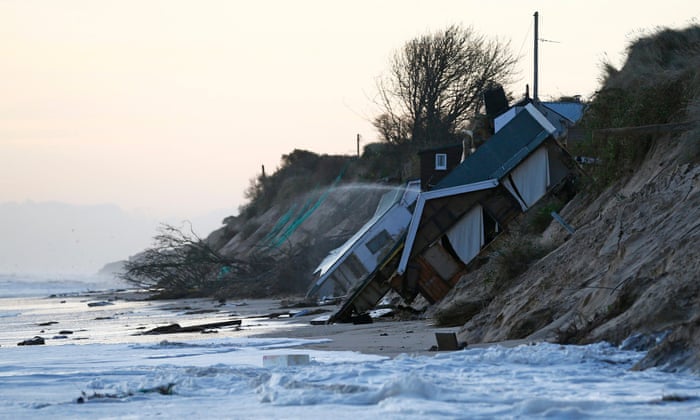
- weather (flood, heatwave, fire, earthquake, volcano, house falling into sea; prepare to evacuate, clean, repair, maintain supplies and run heating or cooling),
- utility or transport down (prepare to supply your own energy, comms and transport), and
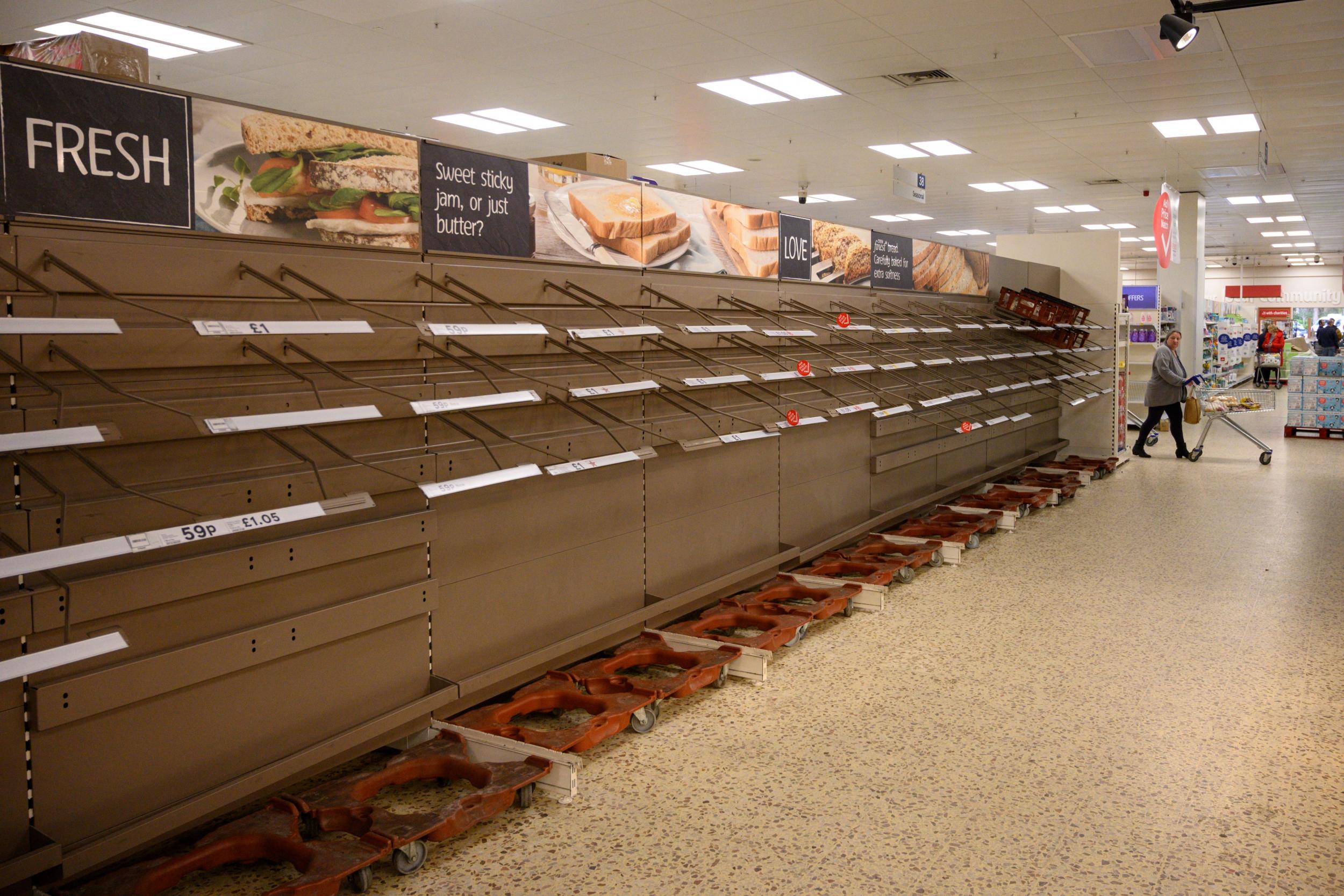
- shortages (maintain stocks).



- Climate change appears to be a hoax like all the other weather scares in recent decades, but even if there is anything to it, the effects are alleged to be weather risks you will already plan for anyway such as health and flood.

- Globalisation brings with it more diseases so pandemics are going to be your biggest concern, but mainly because they are launched by or weaponsied by globalists like WEF for The Great Reset. Preparation involves neutralising the conspirators.

- Your second biggest concern will be cyber attacks causing a grid down, probably by the big four of North Korea, Iran, China and Russia.

- The National Risk Register suggests the acute risks to prioritise in this order are as follows, but this is based on likelihood and impact (welfare, economy, environment, essential services and security). But this will be different for you, as some high impact national disasters will be low impact for you unless caught up directly in it, while high risk disasters are low likelihood to happen locally, and low impact risks may be high likelihood for you such as riot, drought, storm or power cut depending on geography. They are grouped here by logarithmic impact level and then likelihood level within those.
- Catastrophic risks are essentially nuclear incidents, bioweapons and grid down. These involve massive loss of life, health, freedom, territory or services, and if not the EOTWAWKI then the suspension of the UK as you know it and SHTF, requiring bunkers or bushcraft to survive unless a milder scenario restored quickly and localised. You need to prepare to hold your ground and feed, water and heal yourself.
- Significant risks are nuke abroad, dam collapse, Position, Navigation & Timing outage, infrastructure attack or disease outbreak. These can involve loss of freedom, health risk or having to temporarily make do without or move away from lost goods and services. This requires fitness, evacuation or supplying your own essential services such as a utility and emergency services – classic bug in or bug out scenarios for disease and disaster. It would be a particular problem if you rely on a war zone to manufacture or transport vital medicine. Unless escaping a bursting dam you will probably bug in.
- Moderate risks are war or disaster abroad, terror in UK, storm, smog or drought, bank going offline, contaminated food, infrastructure cyber attack, government outsourcer collapse, animal disease, regional grid or comms down, oil shipping disruption, COMAH site explosion, cruiseliner sinks. Unless you are at the epicentre, these involve you not getting to work for a day or losing a utility for a few days, having to rely on your store of money, water, fuel, batteries or radios and skills in medicine and DIY. This is ‘blackout box’ territory, as long as you aren’t close to an incident then you probably don’t need prepper skills for the first fortnight, just a phone, powerbank, way to keep warm and bottled water. After a fortnight, whether you need prepper skills and resources mainly depends if you have electricity; it may be easier to just use the skills you do have to buy energy self-sufficiency rather than learn how to live without electricity, but you’ll still need to cope without the usual goods and services that used electricity to make and transport. And you may need to cope without wages, tap water, phones or fuel, so financial, energy, comms and water self-sufficiency.
- Limited risks are the likes of maritime disaster, strike, riot, crash, conventional terror attack (assassination, kidnap, bomb). These involve you being temporarily restricted in access to and use of where you might have wanted to go or what you wanted to use, especially transport, and the security situation may change. You probably just need self defence, first aid and a get home bag, this is an inconvenience rather than disaster needing a prepper, unless you need escape or evade or use a suspended service. You will want a plan if you live above a bank liable to be torched in a riot or you rely on a medical device that needs power station staff not to go on strike. Decent preps allow you to ignore temporary localised inconveniences like strikes and riots, as long as they don’t happen to affect your critical supplies.
- Minor risks are potential inconveniences like overseas terror, plant pest, fuel supply insolvency, loss of water or earthquake. These tend not to involve loss of life in UK, but you may have to queue for water bottles or petrol for example, but can easily affect imported food. They either can’t be prepped for or don’t need to be. At best, if you live in an old building where there’s been an earthquake before then you might prepare for evacuation, first aid, repairs and get insured. You would almost certainly at worst be temporarily partly transported to the developing world’s living standards, so a living standard threat but not a survival challenge. Water self-sufficiency and a bug out location should suffice.
Catastrophic
- war (government doesn’t list war as a risk as its classified but you can guess what the usual suspects would do if they wanted us constrained without being nuked themselves due to attributable crowd or infrastructure attack: DNA targeted bioweapon, hack grid offline, meltdown a nuclear power station in UK and Ukraine, hack PNT & GPS satellites, poison food and water, bring down plane, launch foot and mouth, plant pest and bird flue, hack BACS offline, hack NHS offline, close airports with drones, set wildfires, engineer riots and strikes, derail train, block Suez with ‘accident’, pollute North Sea to stop fishing, cut off gas to Europe. So it’s maybe not just grid down, but air, water and food chain compromised. You would need a bunker away from flight paths, crowds and flammable land (perhaps in suburbia), with water and air filtration, plus cash, medicine, weapons, energy, fuel and food self-sufficiency, and maybe even underground agriculture and operating theatre). Schools, hospitals and prisons would close in the runup to war, so you may already be caring for relatives at home.
- pandemic (be healthy and ignore untested, ineffective lethal jabs and ruinous, depressing stunting lockdowns, government expect a catastrophic novel respiratory pathogen at least once every century with 4% of infected hospitalised and 2.5% dead and 50% population infected and lasting nine months, but it could alternatively be transmitted by blood, touch, oral or mosquito and could be an enterovirus, coronavirus or STD, because Covid was a hoax we have to assume any repeat pandemic to also be deliberate with the familiar rebranding of flu, fake tests, fake vaccine, fake PPE, fake contact tracing and fake distancing now admitted in public enquiries in UK and USA, 77th brigade will doubtless be deployed again to run the awareness psyop, recovery takes years due to lockdown of schools and economy and closed NHS, remember even if Covid was real it was a a USA bioweapon made off books in China so pandemic and major CBRN are the same risk and your own allies are happy to kill or ruin you, so you need to be ready to take them out too in self defence to prevent war crime; prepare cash, PPE and medicine like antibiotics and antivirals),
- grid down (expected every to 20 to 2,500 years, National Electricity Transmission System offline, could be nationwide but impact could be low as a national gas outage, would be caused by cyber, technical fault or weather, you need to be self sufficient in food, medicine, utilities and services, government prioritises fuel distribution, comms and emergency services, this would be war like scenario with radios and troops driving tankers, local authorities would attempt humanitarian support but it’s never been tried in a power cut, it would be cleaner, healthier and shorter term than a nuke that’s about all you can say, power would be restored intermittently in pockets starting in north within a week except rural areas or areas with destroyed equipment),
- large CBRN (eg all cities nuked, needs filtration, and bunker unless exceptionally remote),
- overseas nuclear leak (expected every 100 to over 2,500 years, impact depends on proximity and weather, worst case is economic damage and some cancers if nearby with the wrong weather and best case is impact as low as overseas accidental nuclear strike, would damage environment and disrupt transport and food production, response would be monitoring and a 77th brigade psyop to protect support for UK nuclear programme; prepare filtration, and cash in case locked down),
- civil nuclear accident (expected every 100 to over 2,500 years, radiation leak causes cancer and affects food, transport, environment and long term economy, need decontamination, government response would be 77th brigade lead psyop to reassure public (normally they lie about which isotopes escaped and cover up that safety standards were relaxed to manufacture nukes faster), response is shelter in place with iodine, lockdown area to prevent spread and humanitarian response for displaced, impact could be as low as accidental nuclear strike overseas, in the Sellafield nuclear bomb factor fire in 1957 (casting doubt on the ‘less than once every century’ estimate) there was a milk ban for 500 square miles but no evacuation and no health effect on firefighters although hundreds of cancer deaths in residents, if overseas then effect would be cancer, disrupted transport and food); prepare filtration and to avoid local food, then evacuate if environment affected,
Significant
- non UK nuclear miscalculation (government assume about once every century years there will be an accidental nuclear strike, the famine around ground zero would raise food prices in UK, business links with the affected region would pause, humanitarian costs would be huge, migration would explode; prepare for housing and food price increases and reliance on involved countries to become untenable and links to them to become dangerous),
- new infectious disease outbreak (government assume less widespread than a pandemic but just as likely, assumption is regional symptomatic novel respiratory zoonotic virus such as a flu, coronavirus or nipah virus with fatality rate up to 50% and 2,000 patients by the time border is sealed and 200,000 contacts to trace, no treatment or vaccine exists, outbreaks lasts two to six months, the response would be 77th brigade running awareness psyop, decontamination, testing, test, vaccine & therapeutic development and lockdown (possibly only of patients) and disease surveillance with no suggestion of measures to allow lockdown to be released other than a target of zero cases, possibly needing civil war to release it),
- snow (government predicts a snow disaster around every 15 years such as the ‘Beast from the East’ which disrupted transport and schools, yet those of us old enough to remember tramped to school in much deeper snow, the scenario is being snowed in for a fortnight including a week with a foot of snow and sub -3c temperature, it could worsen into drifts or even Europe being snowed in blocking our supply chains, effects include falls and hypothermia in the elderly putting pressure on hospitals and social care plus disruption of economy, transport, utilities and essential services, in fact it’s the effect on essential services and higher likelihood that makes cold a bigger risk than heat, the risk is worse the higher and remoter you are, recovery time is quick apart from perhaps flooded utilities, and no long term effects, Met Office is supposed to give a week’s notice on the Severe Weather Warning Service; prepare to insulate your finances home and utilities from an interruption, ensure you can spend, move and heat even if you otherwise have decent preps),
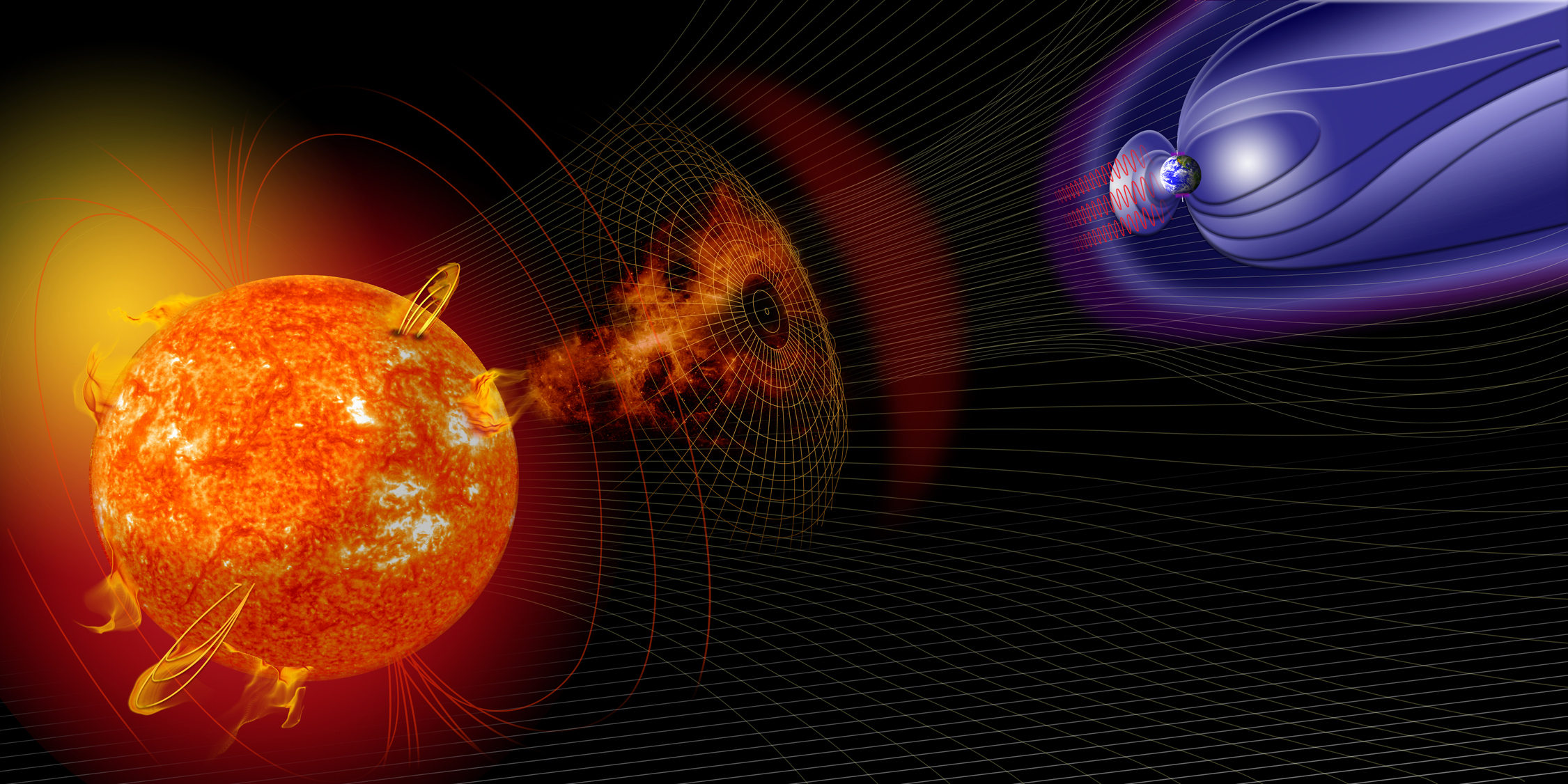
- space storm (expected every 1 to 200 years, solar flare or CME damages satellites, affects GPS, comms, power & flights for a fortnight, may need generators and new transformers taking months to manufacture, power restored within hours if only due to safety trips, impact may be as low as a storm or as high as a nuclear leak; prepare self-sufficiency in whatever relies on electricity, certainly you need a few month’s medicine, food, water and fuel),
- conventional infrastructure attack (if on electricity typically would cause regional power cut to be soon restored locally – initially to comms, emergency services & fuel distribution, but up to a year for remote sites; if on nuclear power station then security environment will change & effect on casualties, environment & economy, lost capacity, maybe years to rebuild; if on fuel depot means regional shortage & may mean Energy Act rationing & emergency services prioritisation; if on undersea cable expect lost capacity lasting at least some hours with bandwidth squashed onto satellite and disruption to financial services and supply chain, repairs would take months as we lack spare specialist crews; prepare for six months self-sufficiency in fuel, medicine, water and food; PIRA planned to blow up six south east substations 1997)
- attack on UK satellite (once in a century event, disrupts finance, energy, emergency services, food, water, comms, transport and defence, effect may range from limited to catastrophic, UK is only now starting to think about terrestrial backups, response would include jamming and attribution and probably a soft war, satellites take years to replace but some infrastructure may remain in orbit or on ground, attack may also be on ground at Newquay, Saxavord and Sutherland launch sites, or on launch builders Virgin Orbit, Orbex or Skyrora, or on Airbus who would rebuild for Inmarsat, or CGI, Qinetiq and Sirius who advise, risk also comes from China part owning Eutelsat, UK can’t start building its own PNT until at least 2025, or 2026 if Oneweb Gen2 is used, China and Russian have their own PNT so would benefit from UK, EU and USA losing theirs, the UK’s proposed system of systems would be heavily terrestrial so immune to the easy jamming inflicted by Russia on Ukraine; prepare for a partial grid down in terms of self-sufficiency in money, fuel, comms, food and utilities, and for an escalating war rather than specifically for a lost satellite),
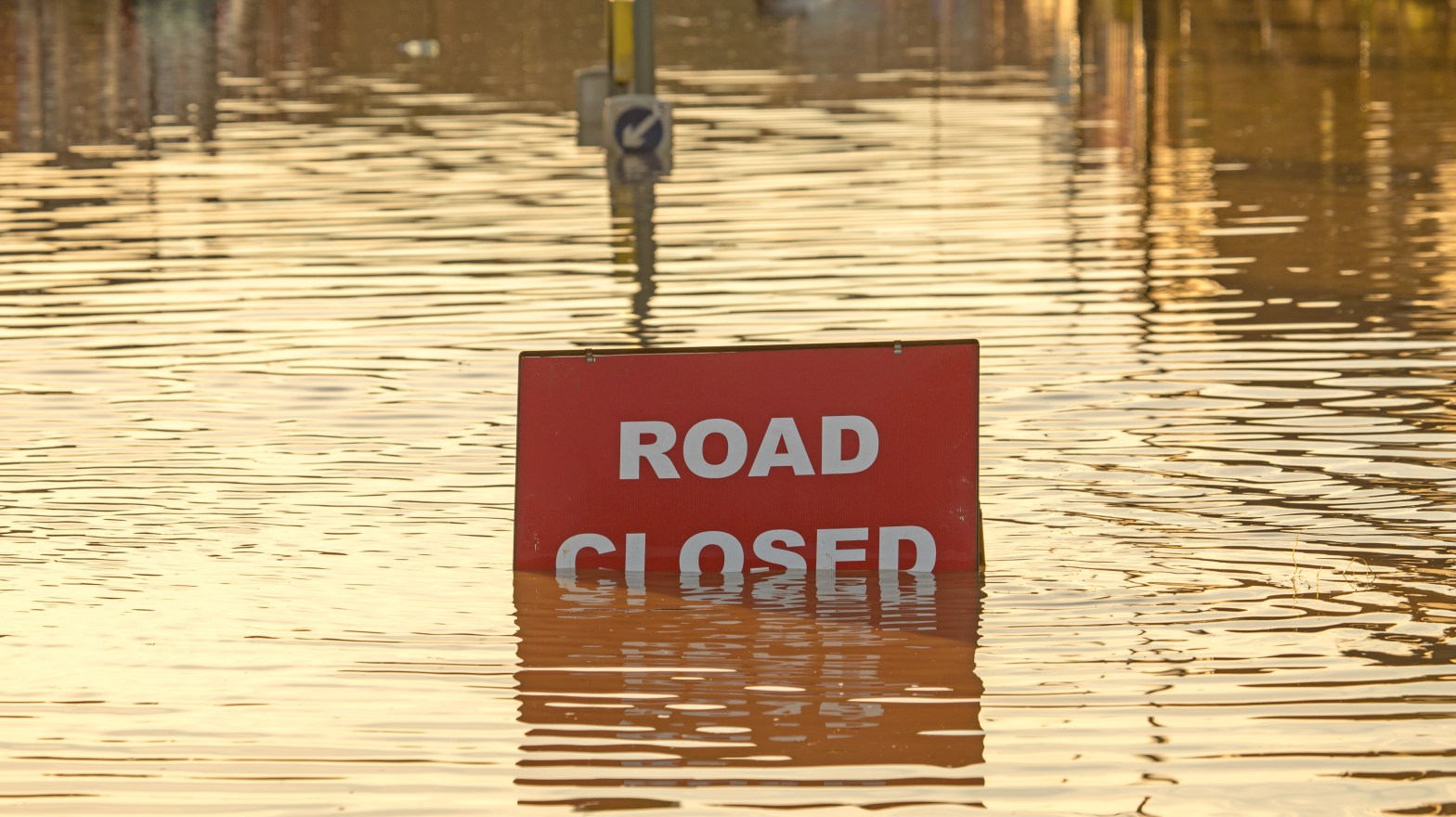
- flood (coastal / fluvial / surface, government blame this on climate change too even without our sea level or rainfall changing, they say they have alerts, defences and responses but in reality the policy is managed retreat, coastal flood needs high tide, low pressure and a gale, it is supposed to affect economy, environment and essential services, there would be casualties with transport affected but also schools, hospitals, farms and emergency services, eastern England is the most likely target, Environment Agency’s Flood Forecasting centre would warn for best part of a week including at least three days medium risk then give 24h notice of Severe Flood Warning, Local Resilience Forums organise warnings and defences, two year recovery to rebuild environment, infrastructure, economy and rehouse previously evacuated residents, national rescue teams available through mutual aid plus military via DEFRA; fluvial flood caused by rain, affecting environment, homes, contaminating farms, and essential services, casualties, may need evacuation, typically losing utilities for a fortnight, the nightmare scenario is additional surface water flood, easily two years to repair infrastructure; surface water flooding from rain overwhelming drains risks landslides and sinkholes threatening transport, may only get six hours notice of where exactly rain will fall, DLUHC coordinate LRFs for mutual aid, late notice and no special warning system for surface water can mean last minute mass evacuation, laughably government blame surface water flood on climate change too even though it’s from reduced sea level; prepare to relocate for two years and to move to higher ground or story temporarily then to be self-sufficient for utilities and services like schools and hospitals),
- heatwave (government blame climate change of course but anyway they define a heatwave as unusual warmth and plan for a five day heatwave of 35-40c, without subtracting unusual cold interspersed as we had in summer 2023, it would affect a lot of the country – how much varying between occurrence every 20 to 2,000 years, would disrupt productivity, water supply, power, supply chain, with alleged further risks of thunder, floods, drought and wildfires, the hope is the Met Office’s Severe Weather Warning Service gives a week’s notice but in reality it has struggled to predict one day ahead, you can register for Heat-Health Alert System and Cold Weather Alert from UKHSA run with the Met Office, the Adverse Weather and Health Plan sits with UKHSA, recovery consists of not torching fields to hoax wildfires and rubbing in a dollop of aloe vera if you catch the sun),
- gas supply infrastructure failure (expected every 100 to 500 years, heating, industry & electricity generation disrupted as power stations and factories deprioritised to maintain pressure while comms, emergency services and fuel distribution prioritised, contingency is rolling three hour power cuts under National Emergency Plan for Downstream Gas and Electricity, casualties from disputed heating, medicine and cooker problems, most dangerous in winter if supply already disrupted, assume repairs take three months it then takes months to restore supply as each home has to be done individually, impact could be as low as a regional grid down or as high as a less than worse case national grid down; prepare for a mini local grid down and ensure no reliance on gas heating for a year, and check in on vulnerable relatives),
- foot and mouth (government say they only expect an outbreak less than once every five hundred years but we already had outbreaks in 2001 and 2007, one was a bioweapon attack at the Pirbright Institute, they say they only expect a 1.9M cull on the basis they tightened up controls since the 6M cull in 2001, but there still won’t be enough experts to cope, effect is exports banned for at least three months and damaged rural economy,
- dam collapse (expected every 100 to over 2,500 years, normally left to flood planning and Local Resilience Forums; DEFRA, Environment Agency and Cabinet Office National Flood Response Centre would take over, assumed would be due to earthquake or landslip, long recovery time, casualties, homes and utilities lost, at Toddbrook in 2019 we evacuated 1,500 for six days and pumped out 4,000 cubic metres per hour after Canal and River Trust failed to maintain a dam, an inspector ignored faults and trees were growing out of the concrete, impact may be as low as a COMAH explosion or as high as a nuclear leak; prepare for lost or overwhelmed hospital, home destroyed, local grid down and evacuation),
- PNT / sat nav down (expected every 1 to 2,500 years, due to accident, space weather or hack on United Kingdom Space Based Positioning, Navigation and Timing Programme, eg through Lockhead Martin, Inmarsat, Oneweb, Goonhilly Earth Station or GMVNSL, or the open US GPS and EU Galileo we have access to, may force finance, transport, comms, energy to close until failover to terrestrial backup, repairs take weeks, impact may be as high as grid down, reasonable worst case scenario costs £1.5bn pd; decent preps will suffice unless the cause was space weather or terror in which case treat as a partial grid down for a few weeks needing a stash of cash and fuel, or as an escalating war),
- accidental plane crash (expect every 1 to 2,500 years, casualties, air closure, damaged ground transport, evacuation, decontamination, causes assumed to be crash into plane, or land, battery fire or suicide, may take months to repair infrastructure; nothing to prepare for unless you want to live in a bunker, if you survive on the ground you’ll have to relocate and clean up).
Moderate
- attack on non NATO ally (government predict Russia, China, Iran or North Korea would invade an ally perhaps around every twenty years, eg Ukraine, effect could be mainly on markets, minor to catastrophic, response is to deter expansion with sanctions expected to last years; data on an attack on a NATO ally is classified so presumably seen as more likely or impactful than we would like, government accept there would be UK casualties and likely loss of gas supply and economic harm from ceasing trade with the aggressor; even less is said about an attack on UK or overseas territories but government do say they expect a cyber and missile attack outside population areas on an overseas territory with economic costs and casualties in emergency services, eg Falklands, and overseas territories don’t come under Article 5 so it would be UK on its own, we know from Falklands the UK would probably not bomb the invader but would use nuclear blackmail to end it diplomatically with a coup; nuclear attack on UK scenario is classified but we know planning was abandoned when it was realised the territory is too small for the nation to survive, survivors may emigrate much later to restart; prepare to not rely too much on stock market investments or gas),
- British Overseas Territory disaster (expected every 1 to 25 years, as per overseas humanitarian crisis but UK would have to pay to restore order and utilities, impact may as low as limited as a riot or as high as a flood),
- critical finance IT failure (expected at least every 20 to 100 years, this is one of the most likely risks although life can go on for most, eg BACS, Authorities Response Framework invoked with possible counter service contingency, may expect a financial markets infrastructure to go offline for a week with disrupted data and transactions, or High St bank may be taken offline for two days with leaked or lost data, worst victims will be those relying on one bank, UK banking reputation affected and losses suffered, recovery would be protracted and if dual site taken out there may be no recovery, impact be as low as small CBRN or as high as infrastructure attack; prepare to not rely on banks, and have money in several banks)
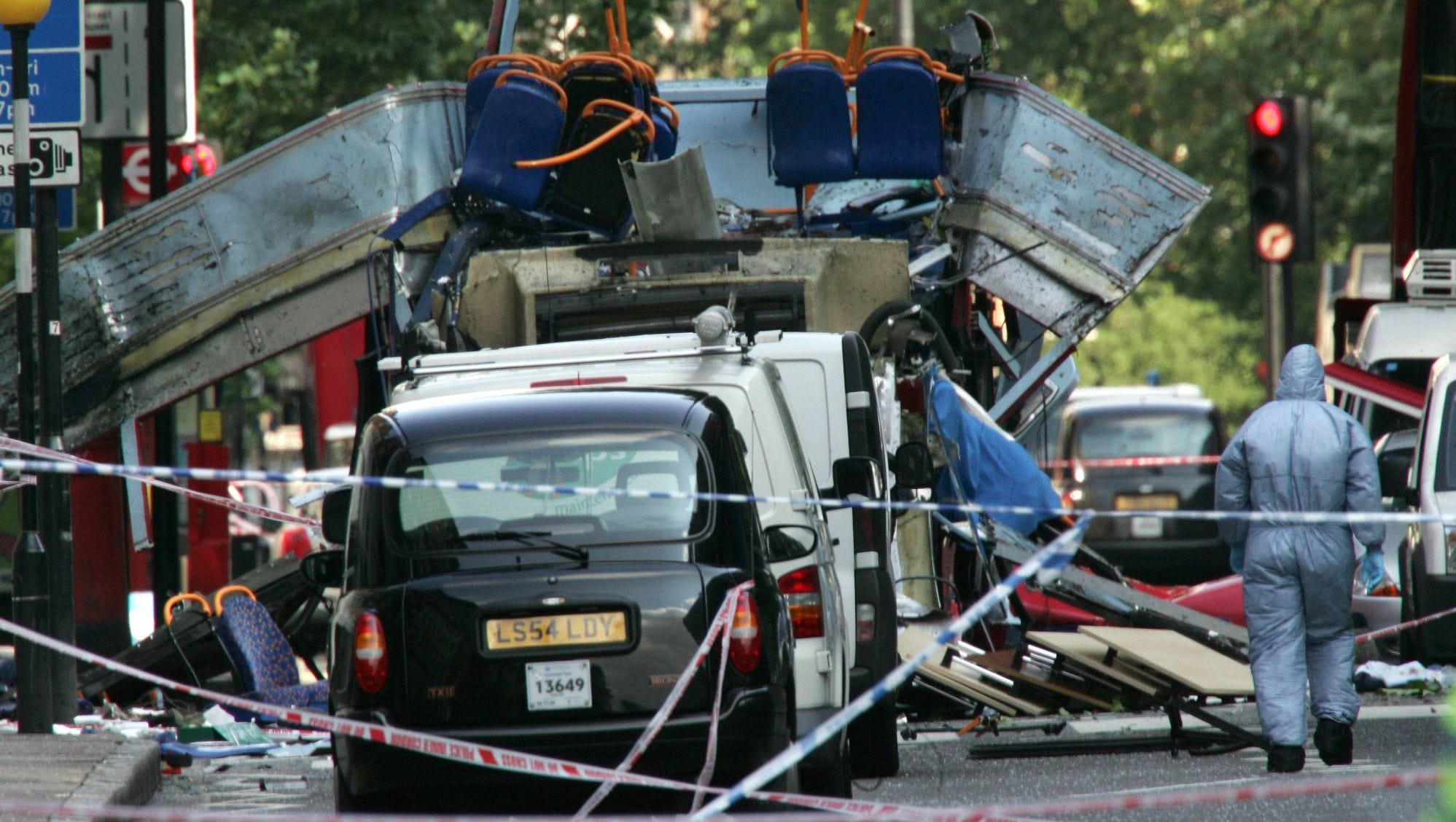
- venue / marauder terror (pressure on hospitals and tourism, damaged utilities, residential displacement, closed schools and transport; prepare to avoid hospital admission in days following an attack)
- Brit Nat repatriations (perhaps once every 35 years or so UK would have to absorb British refugees after an incident abroad, huge numbers could arrive within the space of a month with no job or home all needing to be found homes, jobs, school and care homes; prepare by encouraging remigration to create capacity),
- storm (expected every 1 to 200 years, deaths unlikely apart from the odd falling tree, but expect power and comms cuts and disruption to schools and transport, expect around every eleven years somewhere in UK, rural restoration make take longer than the few days needed in cities, Met Office’s Severe Weather Warning Service should give us up to a week’s notice but look what happened in 1987, impact expected to be predictably moderate so less than a heatwave; prepare to be inconvenienced with schools and transport, and to be self-sufficient in electricity and comms),
- volcano (government’s scenario to be expected about every 35 years or variations from every one to 500 years, European eruptions could affect planes, passengers may be stranded abroad for two to three weeks, the biggest eruption would affect supply chains and weather and trigger refugees, not much we can except hope we get warning from so called experts like the Met Office’s London Volcanic Ash Advisory Centre and wait until we can fly again and buy from different sources, impact may be as low as a train crash or as high as a dam collapse),
- contaminated food supply (expected every 20 years, affecting meat, wine or diary, although only regional, you need backup stocks or just grow your own veg, effects would be local farming wiped out, decontamination, casualties and having to buy different food, would take time to trace so casualties can be high, supply is often national so you may already be contaminated; prepare by home growing, not rely much on one supplier and with medicine),
- infrastructure cyber attack (as per gas & electric conventional attack, resilient comms & humanitarian aid invoked, restore skeletal electricity network within a day but a week to months to restore everyone else; fuel supply restored within days & invoke reserve tankers & ESCALIN; hacked government could mean lost services, leaks, corrupt elections & NCSC respond; hacked NHS eg ransomware government could mean lost & leaked data, missed appointments; transport may suffer ransomware or DDoS with safety & economic impact but mainly disrupted systems and service for a few days; telecoms hack could last months and it would take at least a fortnight to stand up the contingency network, equally a software error could cause the same problems, either way providers would report to Ofcom and invoke NCSC and DSIT cyber and it could take years to clean up equipment; prepare for a one day power cut and inconvenience from lost services and fuel for some days, ensure longer term comms, easily covered with basic preps and radio),
- social care outsourcer collapse (expected around every 30 years, risk that CQC Market Oversight Scheme may not pick it up in time or there may not be resource for local authorities to take over contracts, impact could be as high as disease outbreak; prepare to take back care of relatives or for CareBnB billeting to be invoked),
- government outsourcer collapse (eg IT, finance, expected around every 170 years but anywhere from every 2,500 years to every 20 years depending on severity (which could be as high as an infrastructure attack) and it has happened in recent years so more likely than a finance IT crash, could involve medical, security, telecoms; government think they could recover within weeks but we know from Covid all emergency ventilators were useless and sold for scrap – there is no magic spare capacity lying around; prepare to provide your own services short term, especially security and medicine),
- medium CBRN,
- transport terror, eg plane downed (decontamination, clearup taking months & long term regeneration of targeted town, casualties from crash and debris, sky closed for a fortnight, even if accident skies would have to close until proven by CCA and AIB, drone may be used to shut airport; nothing to prepare, casualties and cleanup if hits your neigbourhood and hospital will be overwhelmed),
- avian flu (Animal & Plant Health Agency monitors, assume cull of 8M birds, could cross to humans, effect is damaged rural economy and export ban for at least 30 days; will only affect framing and your menu),
- smog (government foresee a localised smog about once every 200 years, low wind and temperature inversion stops pollution dispersing such as PM2.5s, or ozone could increase due to ultraviolet light, uplands are vulnerable in summer to ozone but ground level can be affected if high pressure in spring which is when PM2.5s peaks too although urban areas are vulnerable all year round with the wrong weather, vulnerable could suffer with heart and lungs although no proof affect lifespan, smog may last a month, nightmare scenario is polluting already polluted air from Europe or dust from wildfires or Sahara; prepare PPE and filtration including activated carbon),
- overseas humanitarian crisis (versions expected every 1 to 2,500 years, scenario expected about every 200 years, would cause refugees especially for diaspora, and humanitarian funding from UK, potential geopolitical realignment, impact may be as low as a riot or as high as a flood; prepare for housing & services to be sucked into the response),
- High St bank IT crash (expected every 20 to 2,500 years, customers locked out for two days, unable to buy food or commute, mainly affects those with one bank account, fraud increases, FCA can invoke Authorities Response Framework counter service contingency, impact could range from as low as a small CBRN to a high as an infrastructure attack, likelihood is much higher than every few millennia of course as TSB went down on and off for months in 2018 and more banks since, its now closer to every two years; prepare with accounts at multiple banks, cash stash and keep bank statements),
- regional grid down (expected every 20 to 2,500 years, eg Storm Arwen or Eunice, thousands offline due to storm, network now improved to try to localise failures, transport and comms disrupted, if notice of storm then generator distribution, tree cutting and welfare checks can be done pre-emptively, vulnerable may be rehoused, power restored starting within hours or weeks for rural areas, impact could be as low as riots or as high as national gas outage; prepare with normal preps, comms and a few weeks’ fuel),
- comms down (expected every 20 to 2,500 years, storm takes millions of phones down for a few days, eg Storm Arwen, until generators arrive at cell sites, emergency services keep resilient network depending if satellites and radio links survive, homes will likely be without power to recharge batteries though, local authorities to check in on vulnerable as won’t be able to dial 999, impact may be as bad as space storm, satellite attack or PNT going down; prepare own comms and electricity self-sufficiency),
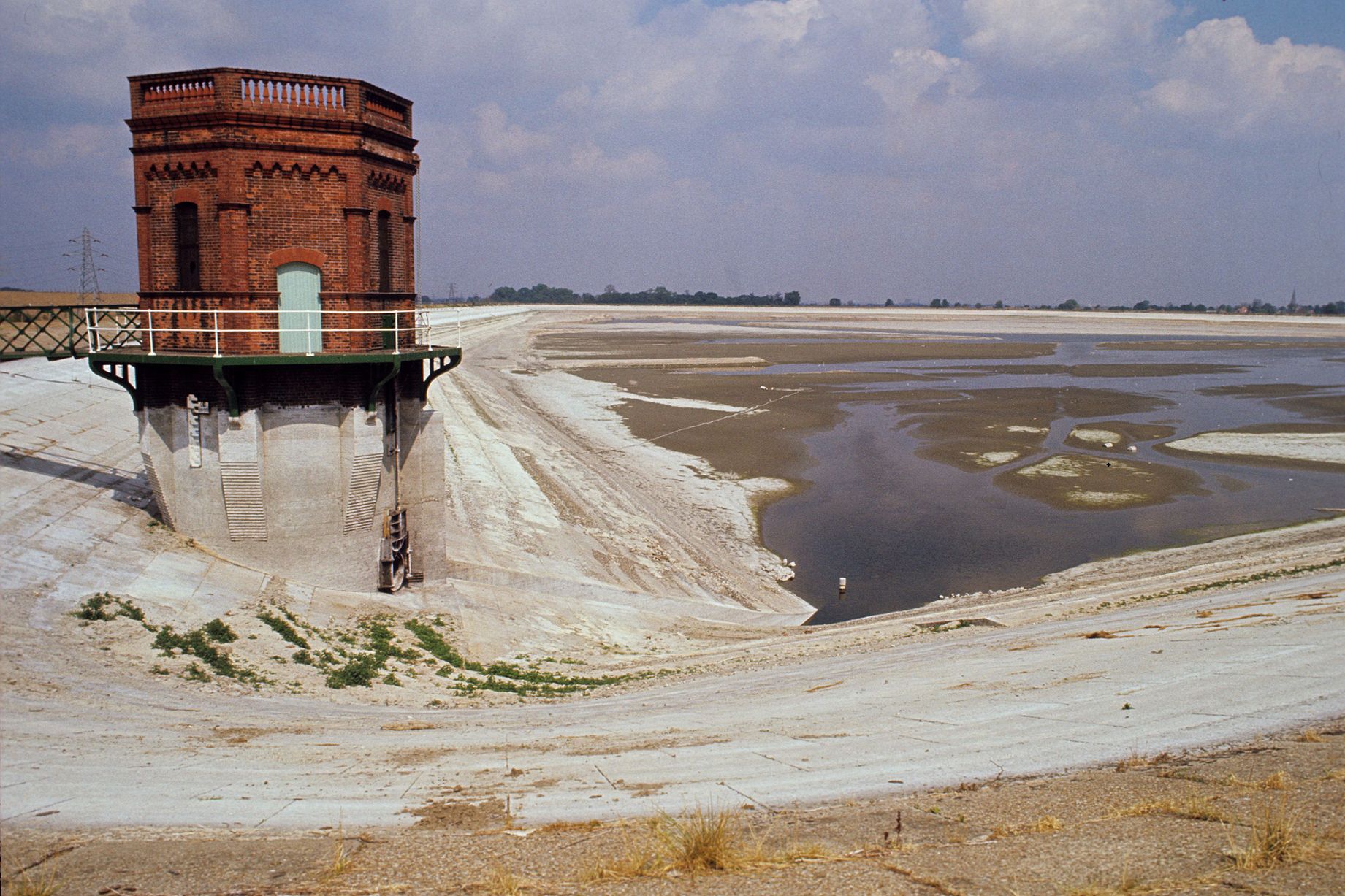
- drought (like it’s opposite, flood, government blame drought on climate change, they say it causes environmental and economic damage, their scenario is four regions affected after three dry winters, monitored by EA, DEFRA and National Drought Group, business river extraction may be capped and temporary usage bans invoked such as hosepipe bans, quick recovery except for businesses hugely reliant on water; prepare water self-sufficiency and spread reliance on suppliers around),
- satellite disruption (expected every 100 to 2,500 years on a scale from natural damage to war, impact may be as high attack on UK satellite, expect debris collection in space, replacement by terrestrial backup and increased space surveillance, CNI disrupted such as finance, infrastructure, comms, transport and emergency services; prepare short term cover for comms, fuel, utilities and services, keep cash),
- drone attack (expected every 40 to 1,000 years, may simply be used to close airport as a nuisance (which happened in 2018 at Gatwick and possible Lakenheath in 2025 so the likelihood is way out), impact could be high as plane crash, especially as drones have recently improved in cost and payload),
- oil shipping disruption (expected around every 30 years, typically war increases price and cause economic crisis, UK can release stocks, increase production or buy elsewhere, impact could be as high as gas infrastructure failure; prepare with stocks and consider phasing out reliance on oil based products),
- African swine outbreak (localised outbreak for 16 weeks in kept pigs and nine months in feral pigs, needs cull, effect includes export ban for three months for captive pigs and 12 months for wild pigs),
- African horse outbreak (Animal & Plant Health Agency monitors, would trigger vaccination and regional equine lockdown for 150km radius due to midge flight for six months and international horse travel restrictions for at least two years, spread may escalate as gypsies will stay off the radar),
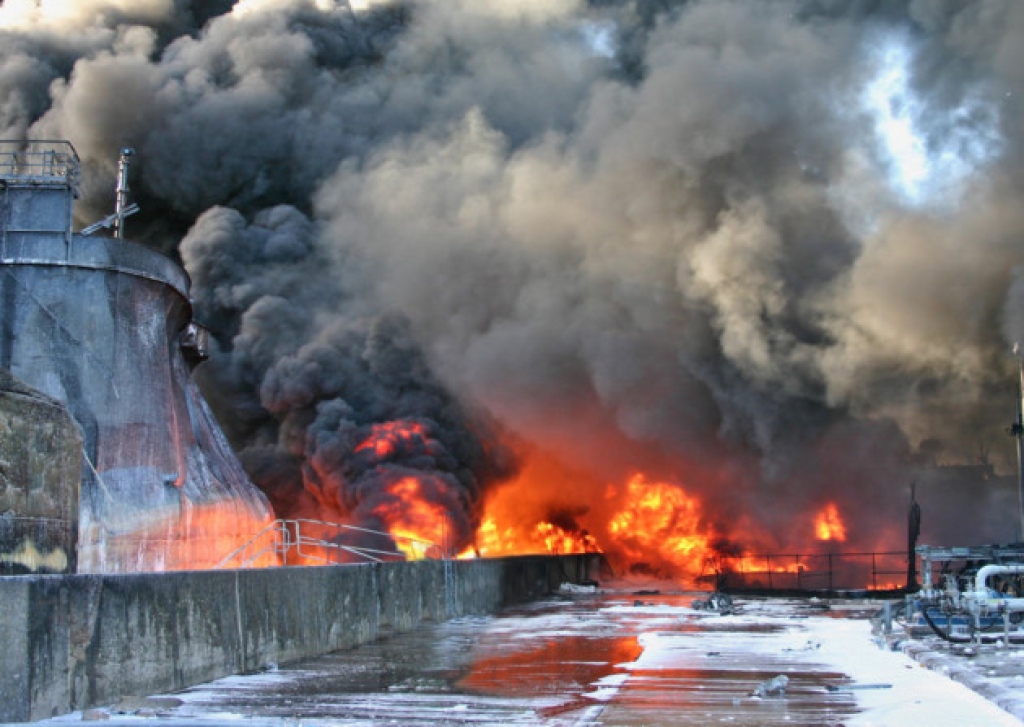
- COMAH incident (chemical, gas or oil, fire, explosion, leak or hack, eg Buncefield, expected every 500 to 2,500 years, decontamination, facility offline for weeks, power cuts for 3 hours to balance pressure when domestic; fuel distribution, emergency services and comms prioritised over power stations, industry gas cut off, at least 3 months to rebuild then few months to restore supply; dangerous goods tanker could explode on road closing roads for days, water courses polluted, local casualties, repairs could take months, supply disruption possible if safety rules have to change, terrorist could crash several dangerous goods vehicles, exploded explosives factory would take out nearby homes, smoke spread, rehouse the displaced, hospitals would be overwhelmed, health and environment effects for years; if fuel pipeline explodes could need to evacuate a square kilometre and rehouse 1,000 survivors, hospitals overwhelmed, long term health effects and clearup could take five years, if hazardous pipe explosion instead of fuel then no long term health effects expected in survivors other than a few breathing problems, but we know from Grenfell that one building needed COBRA and three districts to respond so a blown up neighbourhood would need national response and would be the maximum we could cope with, impact could vary from local nuisance like a bankrupt oil refinery to national catastrophe like a nuclear meltdown; prepare evacuation, repairs and for overwhelmed hospital, mostly it would be a question of temporary relocation),
- offshore oil or gas installation explosion (expected less than every 2,500 years, local environment damaged long term, supply issues unlikely, assume shutdown possible, casualties only on platform, up to three years to decommission platform),
- onshore fuel / major hazard pipeline explosion (expected less than every 2,500 years, impact could be as low as a refinery insolvency or as high as a nuclear leak, effects are long term contamination for five years, casualties and health effects for five years (or only for those with respiratory problems if hazard hazard pipeline) and crater at ground zero, local gas supply may be interrupted, response is evacuate 1km radius, rehouse up to 1,000 people, demolish & clear rubble and call on surge hospital and morgue capacity, much depends how fast it can be isolated; prepare for evacuation, hospital unavailability and not returning for years),
- cruiseliner sinks / hijacked (expected less than every 2,500 years but we know that’s nonsense from the Herald of Free Enterprise, effects include pressure on hospitals, environmental damage, deaths, casualties, blocked channel, humanitarian response for days, port closed pending investigation could last months, terrorists may fake nationality or death, impact could be as high as dam collapse; prepare to do without hospitals near ports).
Limited
- strategic assassination (expected at least every eight years, effect is community tensions, typically by muslim or catholic, impact could be as high as medium CBRN),
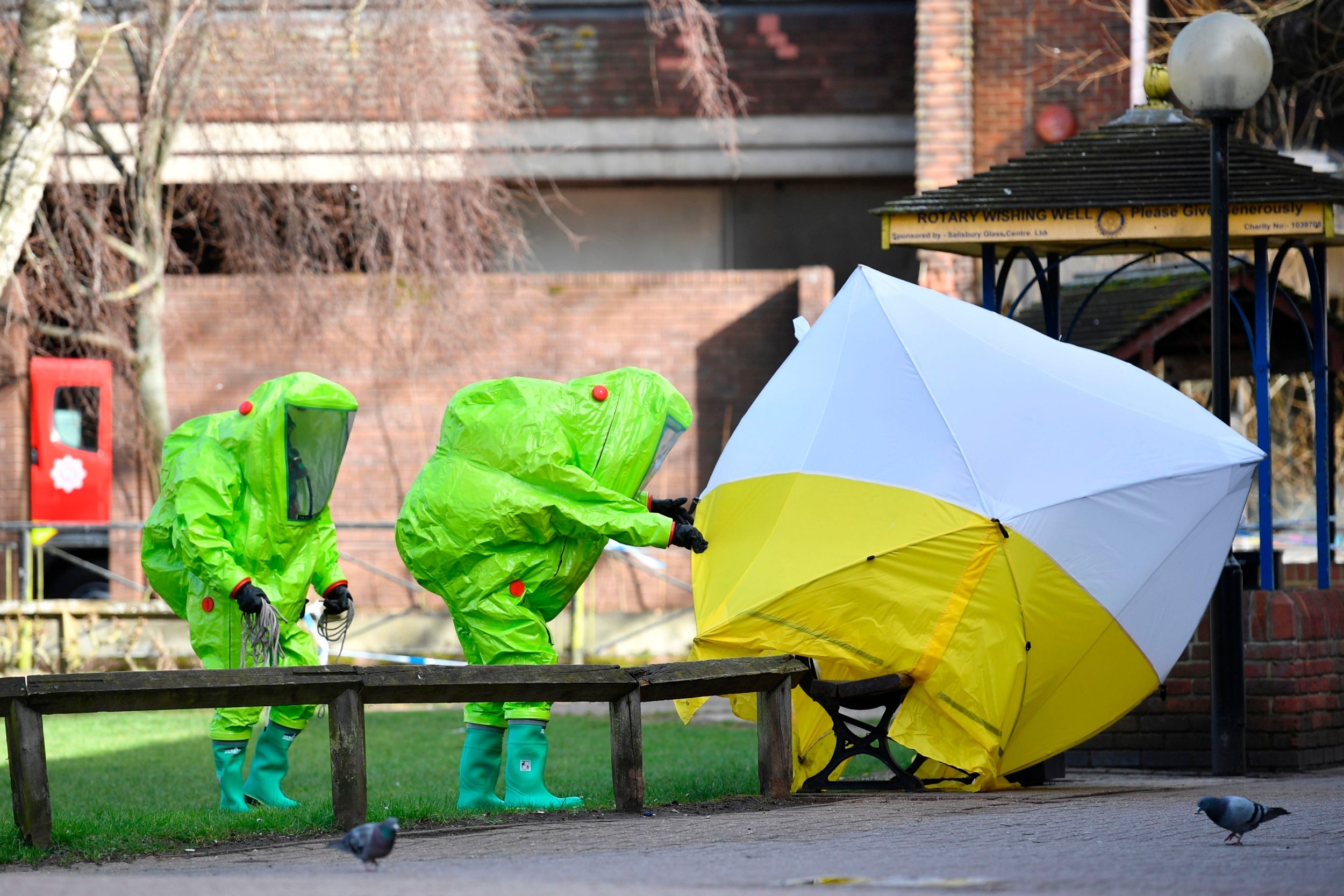
- small CBRN (eg Russian isotopes & chemical weapons, loss of confidence, exclusion zone, economy, decontamination, casualties, environmental damage, most attacks on UK have been tests by HMG; preparation probably only needs to be filtration and PPE at home),
- strike (eg prison, railway, emergency services, Civil Contingency Act requires resilience in essential services and strikes need a ballot under the Trade Unions and Labour Relations (Consolidation) Act 1992, but in a general strike or if workers no longer feared summary dismissal all bets would be off, plans don’t assume a skeleton staff will be guaranteed to remain, relations could be severed between staff and management or between strikers and scabs; prepare self-sufficiency in security, medicine and water),
- riots (government assume riots about only about once every eighty years, spreading across urban areas, response would be baton rounds, but the Metropolitan police said they couldn’t put down London riots like they did last time, so if it spread outside London there would be limited mutual aid so the Met may not even be able to slow down riots, today’s riots are coordinated on social media to copycat into additional cities, likely flashpoints are between cultures over rape and immigration like Southport in 2024 and Ballymena in 2025 with the grooming gang report from June 2025 potentially legitimising nationally organised pickets that escalate in asylum dispersal areas),
- dangerous goods crash (scenario expected once every several millennia but depending on severity every 100 to over 2,500 years, government assume tanker explodes, impact could be as high as a medium CBRN eg if malicious multi tanker crash or as low as an overseas terror attack, expect decontamination, road closures, casualties, infrastructure and building damage, new safety rules and repairs take months; prepare evacuation),
- train crash / derailment / bomb / marauder (expected every 100 to 2,500 years, pressure on hospitals, damaged environment, property & casualties, rail unavailable for weeks & passengers forced onto roads, effect localised except psychological impact on safety, collapsed tunnel or bridge could takes years to restore, Network Rail, Office for Rail and Road and Rail Accident Investigation Branch take over, it has happened in recent decades so it’s certainly at least a once in a lifetime event not once a millennia, impact of crash could be as high as a train terror attack; prepare first aid and guns and consider avoiding crowds),
- major fire (residential complex disaster expected only once every few centuries despite Grenfell with version of the scenario every hundred to over 2,500 years, impact may be as low as an earthquake or as high as a COMAH explosion, many residents can’t evacuate, a local disaster, needs rescue, evacuation, temporary housing for years and clearup, services disrupted for a week, we know from Grenfell there aren’t enough specialist pumps and profit is prioritised over safety, years to rebuild, Grenfell needed COBRA and two councils to step in, were a whole London street to go up it would overwhelm the mayor and neighbouring fire brigades, if council to blame it will collapse local government; prepare evacuation and own firefighting capability),
- wildfire (government blames these on climate change tinderbox effect although we know its always arson as we’ve seen the videos from around the world, effects could be casualties, environment, evacuation, lost infrastructure, assumption is could take best part of a week to put out with reduce fire brigade cover in meantime across brigades under mutual aid; prepare evacuation, self-sufficiency in utilities, fireproofing and firefighting gear),
- strategic hostage (expected every 200-1,000 years, effect is disruption to services and economy and tensions),
- lab leak (expected every 100 to over 2,500 years, government assume flu bioweapon leak and that they can contact trace and anti-viral their way out of it, but we know from Covid that doesn’t work, it would be an excuse for tracking and lockdowns and vax, vulnerable die later of pneumonia, so whilst government assume impact could be as low as a local nuisance or as high as a pandemic we should assume it’s more likely to be catastrophic and we know it is already happening at NATO labs in our lifetime and some leaks have been from HMG labs whether accidental or deliberate),
- radioactive goods (nuclear waste could be disposed of wrongly and end up needing decontamination with health and economic affects in area, especially for cleanup team, waste management would be suspended),
- blocked port (eg Suez 2021, Hormuz 2025, expected less than every 2,500 years in UK, need to move ships and crew, delayed cargo for months, government assume ship won’t be deliberately sunk and hope only grounded, impact could be as high as sunken cruiseliner; prepare spreading reliance across suppliers),
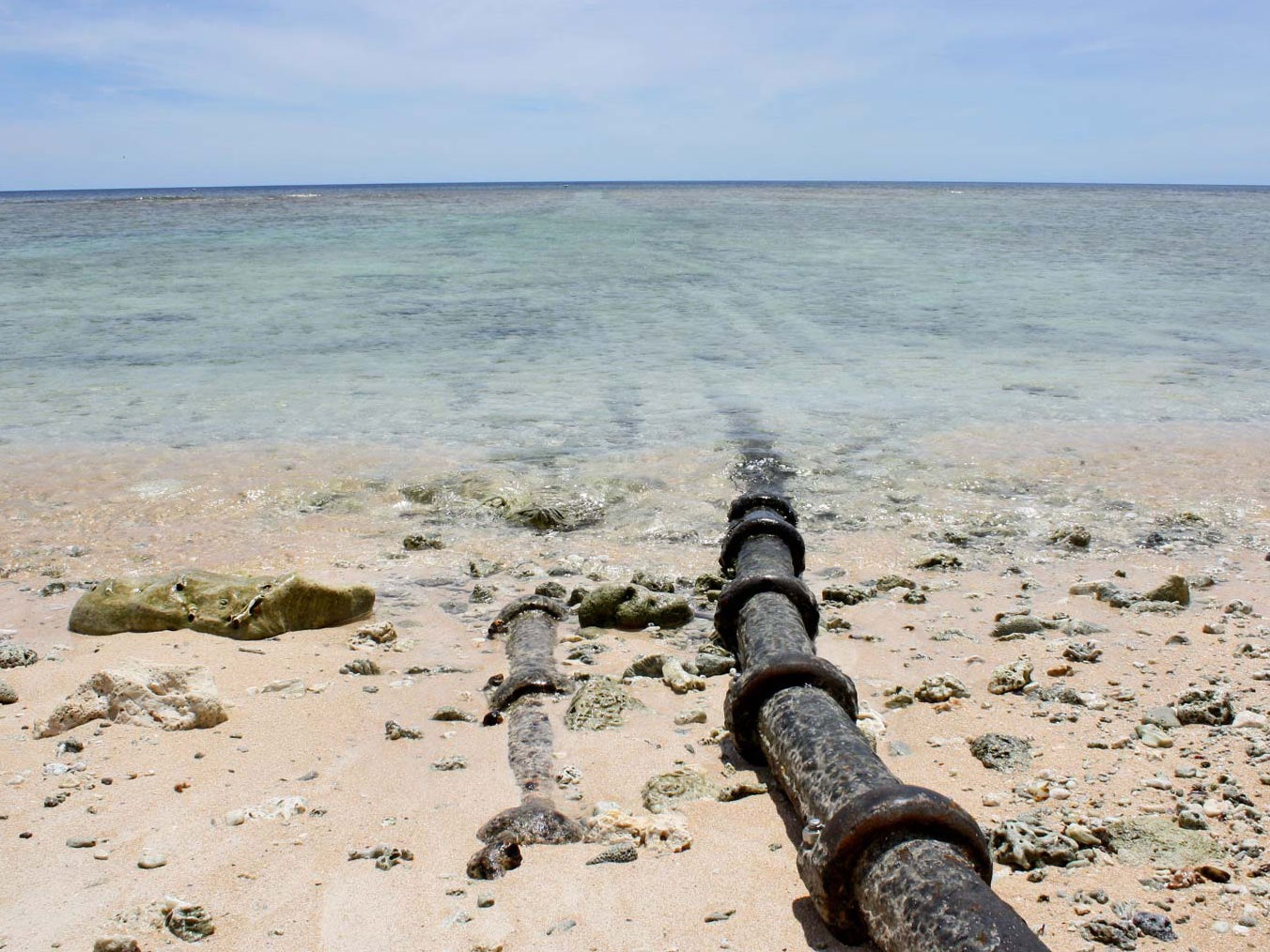
- maritime pollution (expected less than every 2,500 years which is nonsense as it happens all the time, worse if sunk or near people, environmental damage, disrupted agriculture and fishing, recovery can take years, possible blocked port or infrastructure, government assume fire or crash; oil rig explosion could take three years to clean up, local casualties but wider environmental disaster, impact could as high as overseas accidental nuke; prepare reducing fish in diet),
Minor
- fuel supply insolvency (expected around every 30 years, regional downstream operators goes bust, affects heating in winter and transport; prepare short term self-sufficiency in fuel),
- international terror (eg Tunisia, expected about every ten years, pressure on hospitals and tourism, may need humanitarian and military response, impact could be as high as mainland terror attack; prepare for unrest in UK by diaspora),
- plant pest: Agrilus planipennis or xylella fastidiosa beatle or plant pest outbreak (Forestry Commission and Animal & Plant Health Agency monitor respectively, could arrive on wood or olive or rosemary, respectively, plant pest would affect one town by closing nurseries whereas beetle could have infested an ash woodland for years undetected, response would involve pollution from destruction; prepare for pollution if living near woodland that has to be burnt, by filtration or temporary evacuation),
- loss of fuel (eg Russia cuts off Europe – this would stop Europe generating electricity to sell us in a cold snap; if oil supply is curtailed we can either pay more to import, or produce more under Energy Act or release reserves through IEA; downstream oil operator insolvency could mean anything from managed closure to regional shortage of heating & transport; prepare self-sufficiency in fuel and short term backup for electricity),
- loss of water (expected every 100 to over 2,500 years but we’ve already seen bowsers in the UK in our lifetime, government see it as minor as it would only affect one area but if that is your area you’ve lost tap water, schools, prisons and hospitals would be disrupted, water boards would give mutual aid, limited rerouting and bowsers and bottle stations, LRFs oversee with DEFRA stepping in if regional, expect to have to stay home to look after kids or discharged patients, go and get your share of bottles from the water board otherwise you look like you have a stash, impact may be as high as a small CBRN; prepare water self-sufficiency and staying home to look after kids and sick relatives),
- earthquake (expected less than every 2,500 years, at worst government expect a few chimneys to be downed on occupants and some collapsed old buildings, expect disruption to infrastructure such as power, transport and comms even if just pending inspection, mutual aid from outside districts considered but may take time to arrive, possible school closures and rehousing; prepare mainly for disrupted utilities but also staying home with kids and temporary evacuation).





- The top three threats suggest you need to be healthy, self sufficient and have a bunker – so the classic wishful prepper. The next three are all about living with temporary low level increased radiation, which need the same approach. You need health for after the event and wealth to buy the preps; use common sense and stockpiling until you can afford to go underground.
- The services which government worry about losing are energy, food, water, transport, comms, blue lights, health, finance and government. You need to consider replacing these with your own fuel, food and water stockpile, comms, security, medicine, firefighting, savings, barterables and any public services you would miss. This needs skills, gadgets and stockpiles. Government fear the following within a few years: financial infrastructure IT failure, Overseas Territories disaster, attack on non NATO ally. We could well be at war on our own, housing our own refugees or not able to receive wages within the next five years, so your money, prioritisation for public services and peace at risk, so a cash stash for this and to top up anything omitted for the bigger risks above. Or we could face a crackdown after the IRA take out the NI Sec or there is another 9/11, or farming could be decimated by plant pest. Are you ready for war with Argentina, do you have cash savings, can you feed yourself, can you fend for yourself if we suddenly have to evacuate the Falklands? How will you get and keep self-sufficiency with your budget and security capability?
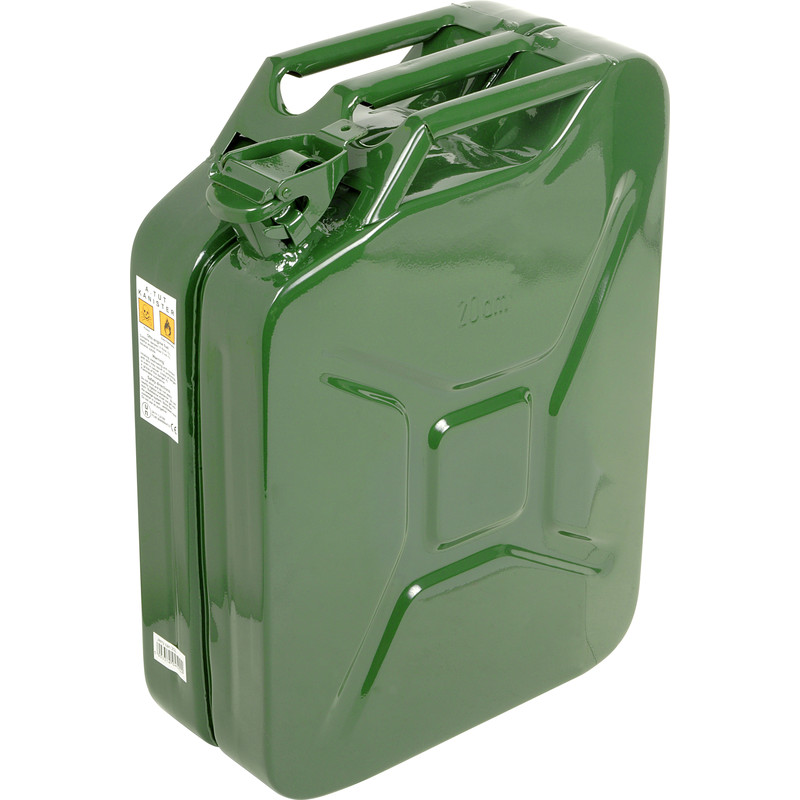

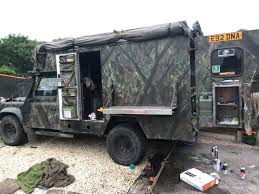


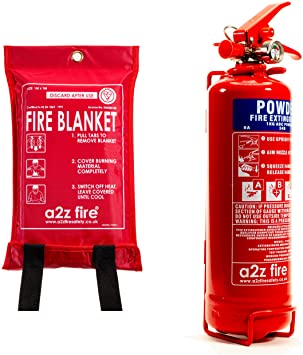


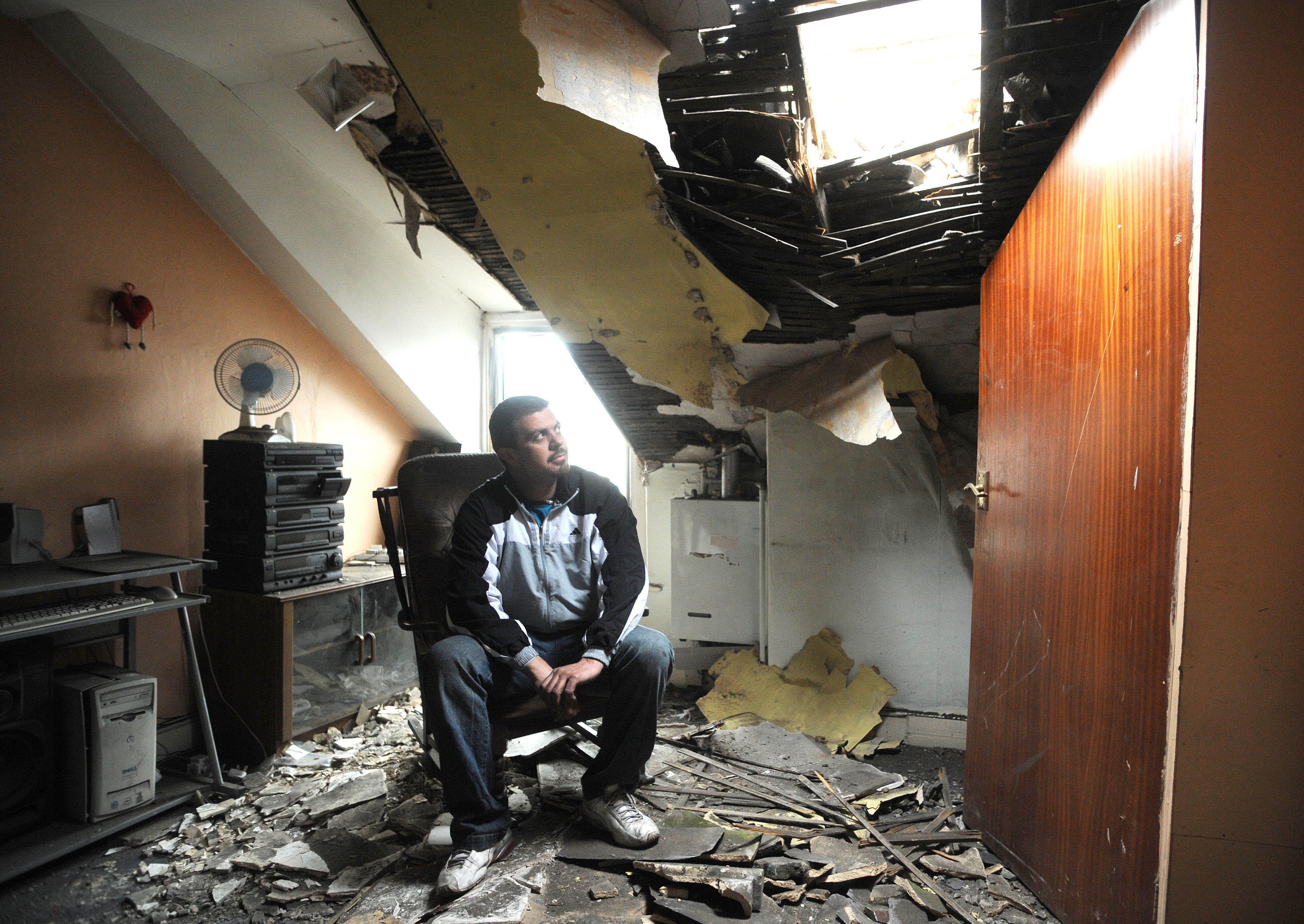
- So your key skills and gear need to address health, isolation, clothing, fuel, food and flood protection and cleanup and evacuation. Flood protection and cleanup gear tends to get overlooked as the boring side of prepping compared to guns, pills and tins. Bear in mind everyone would be cleaning up or evacuating or stockpiling fuel, medicine or food at the same time, so you need the kit (including building repairs and vehicles) in advance and a clever plan implemented faster than your neighbours.


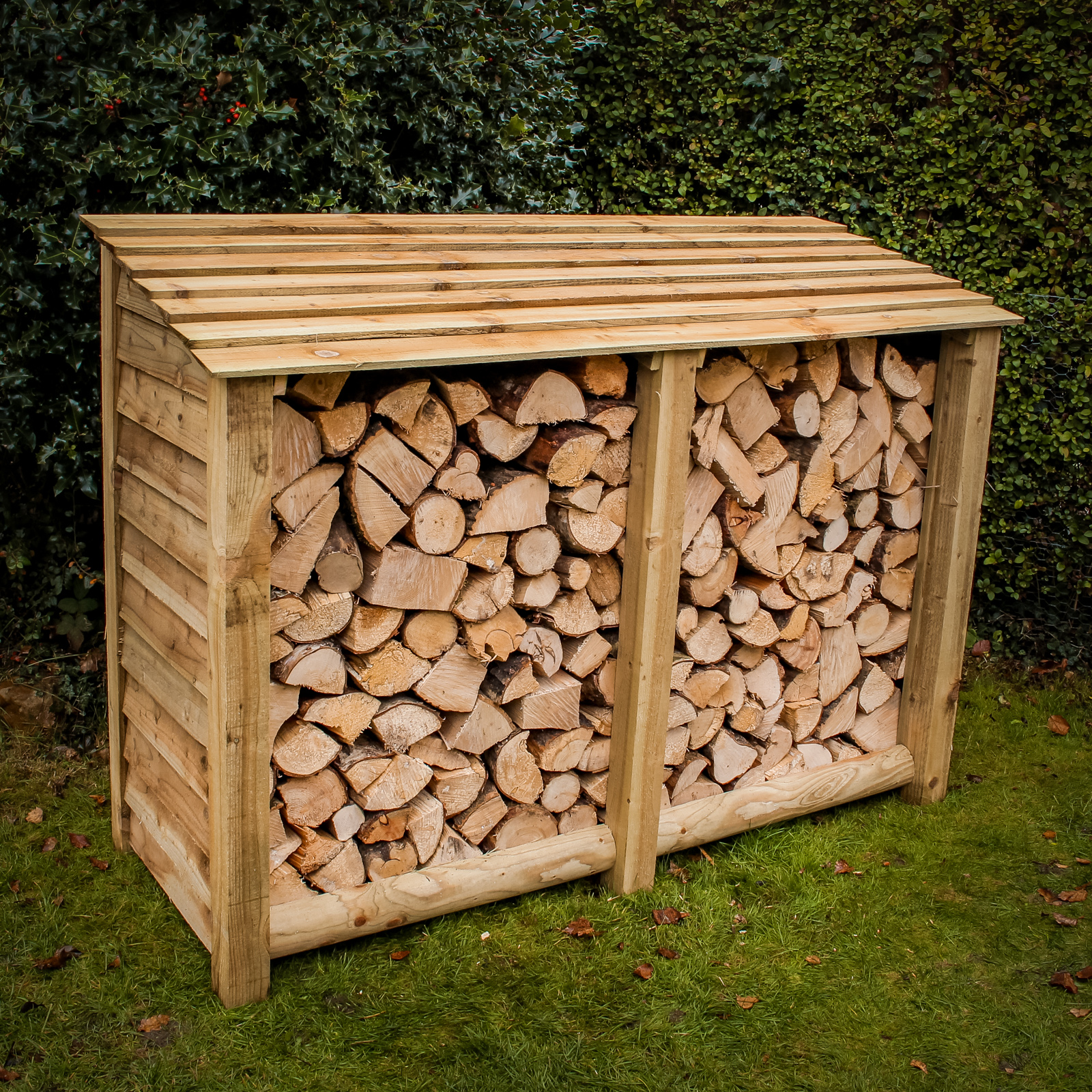
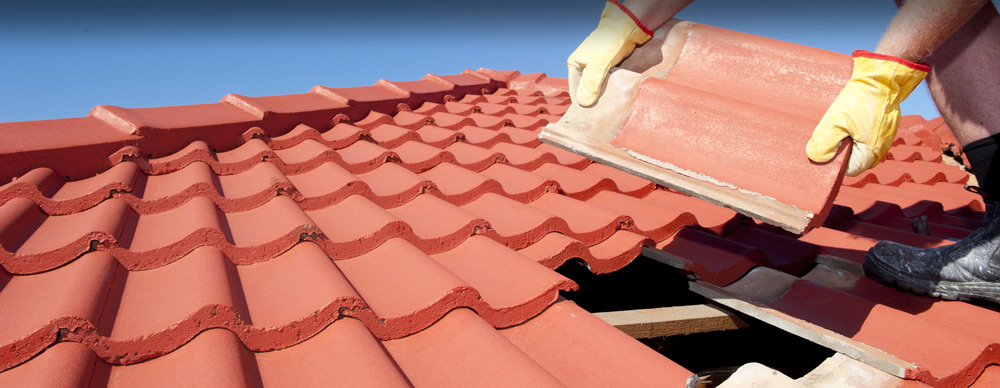
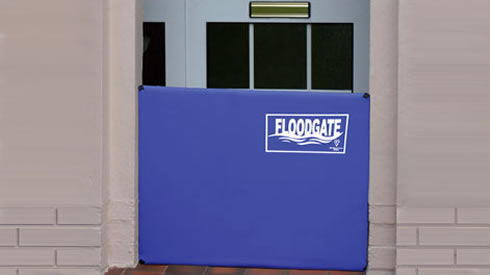

- More manageable events include transport crash, industrial accident, surface flooding, space weather, pollution and heatwave, which are more localised or survivable, although a risk to the vulnerable, especially with the risk of a grid down from space weather. These can mostly be addressed with masks, filtration, aircon, flood protection and staying indoors, so you basically need to buy and fit the PPE and ventilation equipment, but eventually utilities could be affected, especially with space weather, so self-sufficiency in electricity is relevant.
- The least worrying events on the radar are wildfire, strike, animal disease, drought, volcano, riot, utility failure, storm and earthquake, as they tend to only affect limited people for a limited time to a limited extent. But it depends where you live and how reliant you allow yourself to be on suppliers for things like building repairs, transport, water, food, fuel, security and healthcare. Significant earthquakes in the UK are rare and tend not to flatten buildings. You may have to evacuate, repair or replace goods and services including police, fire brigade and utilities.
- Government categorise malicious attacks separately and say the most likely scenario is attacks on crowds, and to a lesser extent sabotaging services or launching small NBC attacks, while the least likely would be attacking infrastructure or WMD attacks. The most difficult to deal with is WMD and the easiest is attacks on services whereas the other scenarios are somewhere in the middle. Malicious attacks need filtration and self-sufficiency in utilities.
- There are also chronic risks removed from the national risk register in 2023, such as gangsters, AMR and AI. You need to plan to avoid needing antibiotics through heath and only using as a last resort, avoid losing your only job to a computer and arrange security.
- Government suggest you keep an eye on flood alerts and MI5 terror levels, store documents in a flood box, keep a blackout box, check you are insured, practice evacuation, learn to escape marauders, sign up to vulnerable customer schemes and emergency alerts, learn to diagnose trauma and help victims get good sleep, exercise and diet. Be aware that children, elders and the disabled are less likely to make it.
- The bottom line is you need to be able to:
- avoid crime,
- maintain income,
- stay out of hospital,
- bug in and seal off your home, feed from supplies and replace any utilities you want to keep, except possibly for flood other natural disasters or nukes when you may have bug out eventually,
- defend your home from civil disorder and
- repair your home from a storm or bomb.
- To put it another way you need to be healthy and streetwise, have weapons, cash under the mattress and cash side gigs, a pantry of food and water, a cooker and heater, and plywood, plastic sheets and tape. Very few disasters involve taking to the hills with a bug out bag to start your new life as Mad Max, especially in the UK where pretty much only criminals and farmers have guns, there may be loads of other Billy Bad Asses bigger and badder than you already in the hills, and Britain has no wilderness. In short you need cash, saleable skills, health, security, preps and a bug out location.



Scenario drills
- Financial
- Lose income / savings / job.
- Prepare: build saleable skill in demand during disaster (eg plumber, electrician) & savings, avoid debt, have business, CV & agencies permanently lined up to launch.
- React: reduce spending (eg rebroke suppliers, get tips on Moneysavingexpert), prioritise debts (housing, utilities, tax and HP on goods you want to keep, then unsecured debts, water, parking & friends & family), increase income (use savings, claim benefits, approach charities or foodbanks, rent any spare room eg Spareroom.com, sell skills (eg Fiverr, Upwork or Peopleperhour), apply for jobs (eg Indeed or Linkedin).
- Lose income / savings / job.
- Relationship
- Lose relationship.
- Prepare: build support network (family, friends, groups, experts), savings and health.
- React: switch to support network, preserve money and health with exercise, sleep & diet, move if unsafe. Men should particularly beware alcohol, gambling, mental health, cancer, accident, heart attacks and vascular health. Both sexes should focus on exercise, weight, mobility and long term conditions.
- Longer relationships and post-breakup contact will have the longest recovery time, and marital satisfaction and dating again soon predicts faster healing. Married woman with low control over finances are the most at risk financially as they are less likely to move back in with parents. Divorce shortens lifespan, and damages health of children.
- Lose relationship.
- Health
- Illness.
- Prepare:
- make medic contacts,
- maximise fitness (have money, marriage, education, environment, employment, friends, exercise, careful diet, sleep & medicine compliance, avoid fags, booze & stressful jobs, beware glucose, cholesterol & blood pressure, some factors you can’t change like sex, age and persnality)
- stockpile medicine (epinephrine, paracetamol, ibuprofen, opioids, cephalexin, aziphromycin, doxycyclin, amoxcillin-clavulanate, erythromycin ointment, lidocaine, oxycodone, aspirin, diphenhydramine, Epipens, loratadine, cephalexin, fluconazole, bacitracin, miralax, loperamide, tums, bismuth-subsalicylate, famotidine, ondansetron, rehydration salts, hydrocortisone, betamethasone, albuterol, prednisone, moxifloxacine, artificial tears, benadryl, ranitidine, antibiotic ointment, zofran, compazine)
- stockpile consumables (gloves, masks, pocket facemask, gauze, pressure bandages, plasters, Tegaderm, moleskin, 11 blade scalpel, vessel loop, suture kit, staple kit, needles, saline, haemostats, angiocatheter, incision & draining kit, glue, steristrips, 18F coudé foley catheter, triangular bandages, elastic bandages, fleurosceine strips, absorbent pads, blister plasters, alcohol wipes, surgical swabs, surgicell)
- stockpile equipment (IV, airways, portable ventilator, portable suction, oxygen concentrator, defib, tourniquet, blue penlight, splints).
- React: evacuate to specialist care if need & can, call in any useful medic contacts, try home nursing & first aid.
- Prepare:
- Pandemic / animal disease. Treat as illness above. Prepare: stockpile PPE & anti-microbials, maintain distance & hygiene. React: Evacuate if distance requires given the risk, adjust consumption according to poison.
- Illness.
- Environment
- Pollution/ leaks. Prepare: plan evacuation, install filtration & stockpile PPE. React: evacuate if on way & either long term or filtration won’t be enough, otherwise shelter in place with filtration & PPE.
- Volcano. Treat as pollution + wildfire. Prepare: plan evacuation, install fire-proofing & filtration & stockpile PPE & firefighting gear. React: evacuate if time & need to escape lava, otherwise shelter in place with filtration & PPE.
- Transport disaster. Prepare: reduce reliance on suppliers. React: adjust consumption & exposure according to pollution.
- Plant pest. Prepare: reduce reliance on suppliers. React: adjust consumption.
- Wildfire. Treat as pollution + fire. Prepare: plan evacuation, install fire-proofing & filtration & stockpile PPE & firefighting gear. React: evacuate if time & need to escape fire, otherwise shelter in place with filtration, PPE & firefighting.
- Earthquake. Treat as pollution + wildfire. Prepare: reinforce building if in earthquake zone, plan evacuation, install fire-proofing & filtration & stockpile PPE & firefighting gear. React: evacuate if time & need to escape collapse, otherwise shelter in place with filtration, PPE & firefighting.
- House fire. Prepare: stockpile firefighting gear, install fireproofing. React: if daytime then attempt viable firefighting if smoke & heat won’t incapacitate you before you don PPE, don PPE, continue viable firefighting until PPE might not guarantee escape. Any other time: Evacuate. Highest likelihood of dying is being asleep or a male amateur rescuer.
- Home destroyed.
- Weather
- Space weather. Treat as power cut & comms down.
- Flood / snow. Prepare: stockpile consumables & cleaning materials, install flood barriers. React: move upstairs, divert reliance on suppliers, then cleanup. If deep, eg tsunamic or burst dam then evacuate if time. If necessary, treat as home destroyed.
- Heatwave / drought. Prepare: stockpile water & cooling equipment, have workarounds for transport being down. React: conserve water, switch on cooling, divert from reliance on disrupted suppliers. Evacuate if need water elsewhere.
- Cold. Prepare: stockpile fuel & insulation. React: deploy heating & insulation.
- Security
- Hacked
- War / terror. Treat as pollution, fire, lost goods & services & potentially home destroyed. Evacuation depends on distance from targets.
- Riots. Evacuation depends on distance from flashpoints.
- Unrest abroad. Treat as terror risk above and as disrupted supplies below.
- Supply
- Strikes. Prepare: reduce reliance on suppliers. React: deploy stockpiles & off grid equipment when needed.
- Power cut. Prepare: treat as loss of utilities, services and goods, stockpile consumables and off grid equipment. React: deploy preps.
- Transport down. Prepare: reduce reliance on transport. React: deploy alternative transport, supplies or communications.
- Goods shortage / sabotage. Prepare: reduce reliance on suppliers, stockpile consumables. React: deploy stockpiles when workarounds exhausted.
- Service / utilities / comms / satellites down. Prepare: reduce reliance on suppliers. React: deploy off grid preps.
- Banking down Prepare: spread savings around, keep cash. React: deploy cash & use backup banks.
- Famine. Prepare: stockpile food, start smallholding. React: deploy stockpile, fail over to smallholding.
 Limey Prepper - UK Preppers Handbook